


What Makes the Best Night Vision Scope for Hiking Reliable
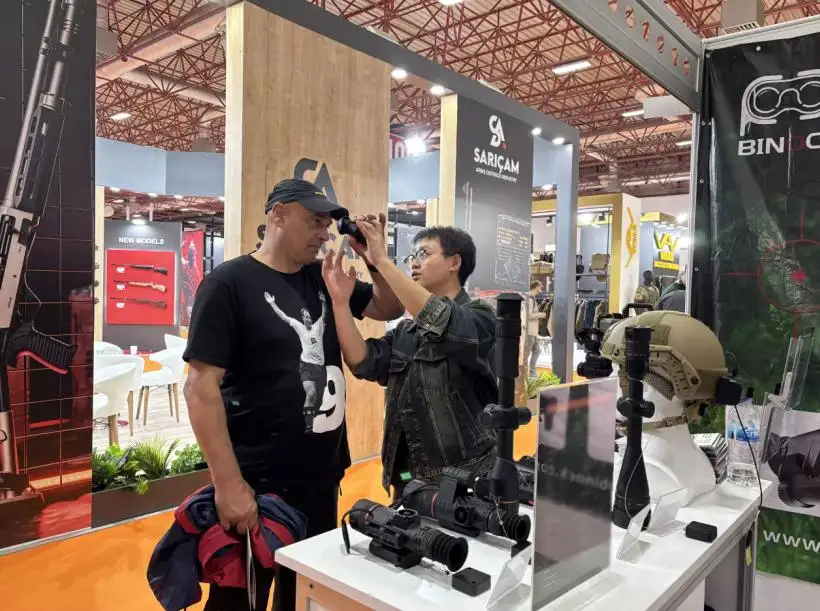
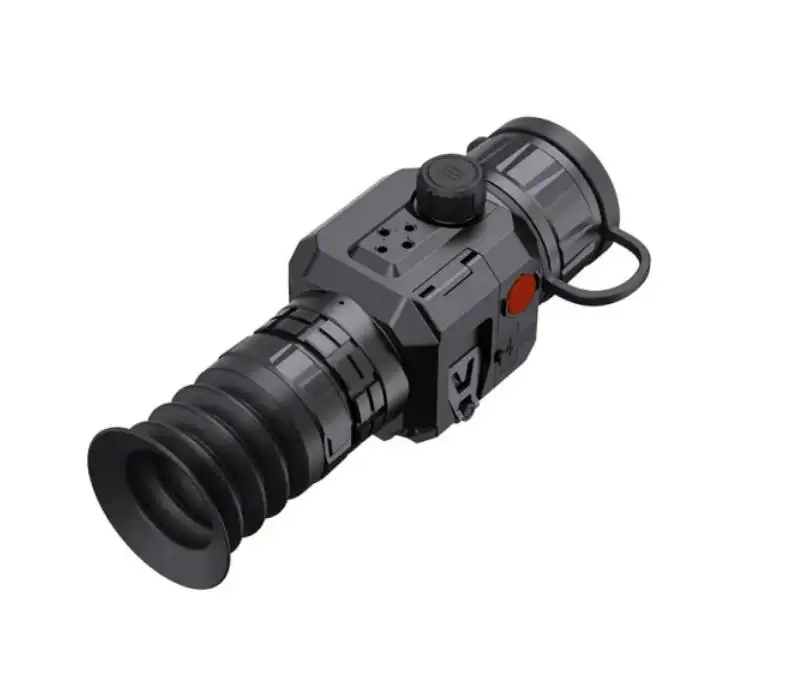
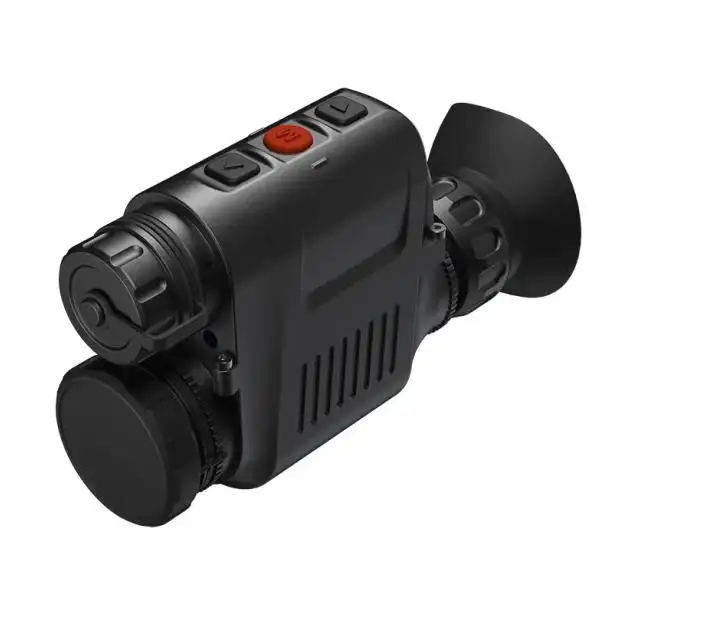
A Night Vision Scope for Hiking is more than a piece of gear - it is your eyes after sunset. When the trail turns dark, this scope decides whether you move with confidence or slow down in doubt. It helps you read the terrain, avoid obstacles, and spot movement before it comes close. But not every night vision scope is truly reliable. Some fail in mixed light, others drain the battery too fast or feel heavy on your head. So what actually makes the best one stand out? Let's break it down.
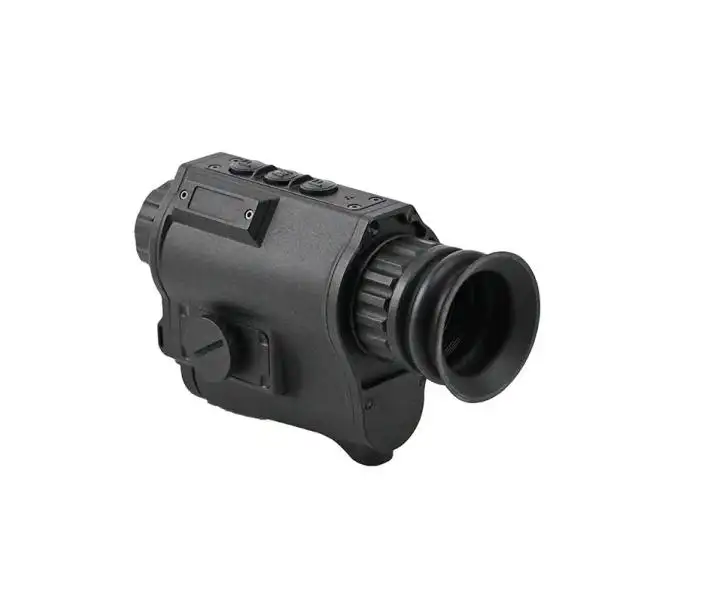
Understanding Reliability on the Trail
When hikers talk about reliable night vision, they usually mean one thing: it works every single time they need it. The reality on the trail is harsh. Light changes from moonlit ridges to deep forest shadows. Weather shifts from dry dust to cold drizzle. Your gear takes hits, bumps, and sudden drops.These factors place real demands on durability, image stability, and overall device reliability.
From our view as a manufacturer, there are a few common pain points:
• The image is clear at first, but becomes grainy or unstable in mixed light
• The field of view is too narrow, so users feel like they are looking through a tunnel
• The battery dies halfway through the night
• The device is heavy or unbalanced on the helmet, causing neck fatigue
• Buttons are hard to find or operate with gloves
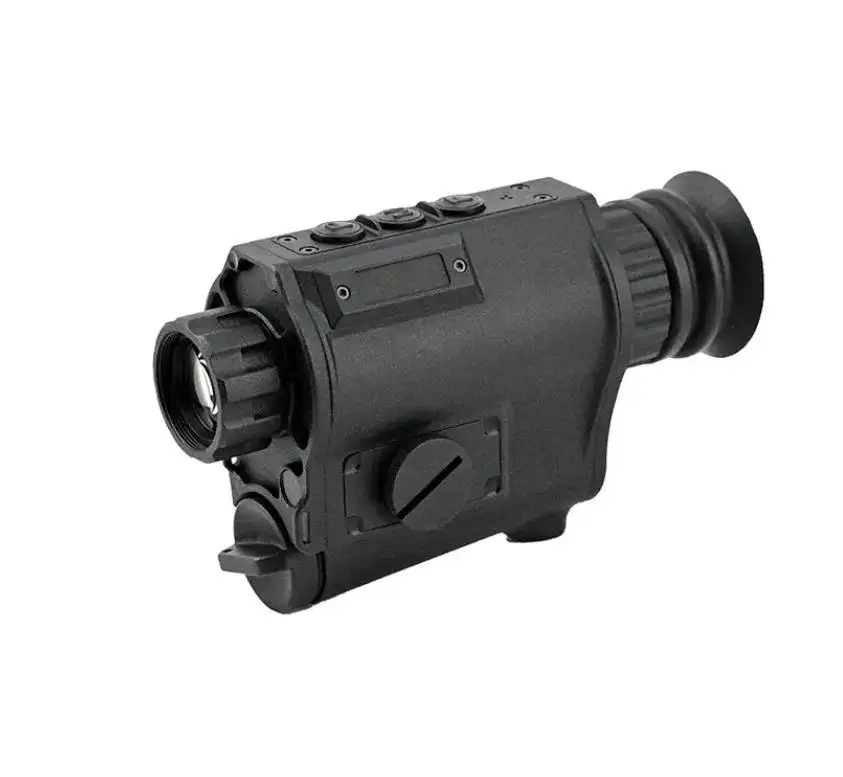
A Best Night Vision Scope for Hiking must solve these problems at the same time. Reliability is not just one strong spec. It is the balance between optical performance, endurance, and comfort over long shifts outdoors.
- Real-World Challenges Night Hikers Face
Think about a typical night hike or nighttime patrol. Imagine hiking at night over uneven ground. You step around rocks and roots, hold your map, and keep track of your team. Sometimes you move step by step. Sometimes you must act fast without thinking.
When that happens, your night vision scope needs to:
• Maintain a bright, natural image without overexposure from distant city glow
• Allow fast, wide-area scanning so you never miss motion at the edge of your sight
• Stay balanced and secure on your helmet or mount as you move and take cover
For BINOCK, this is the heart of design: real use, not just numbers. A scope that only shines in a spec sheet will never qualify as the Best Night Vision Scope for Hiking.
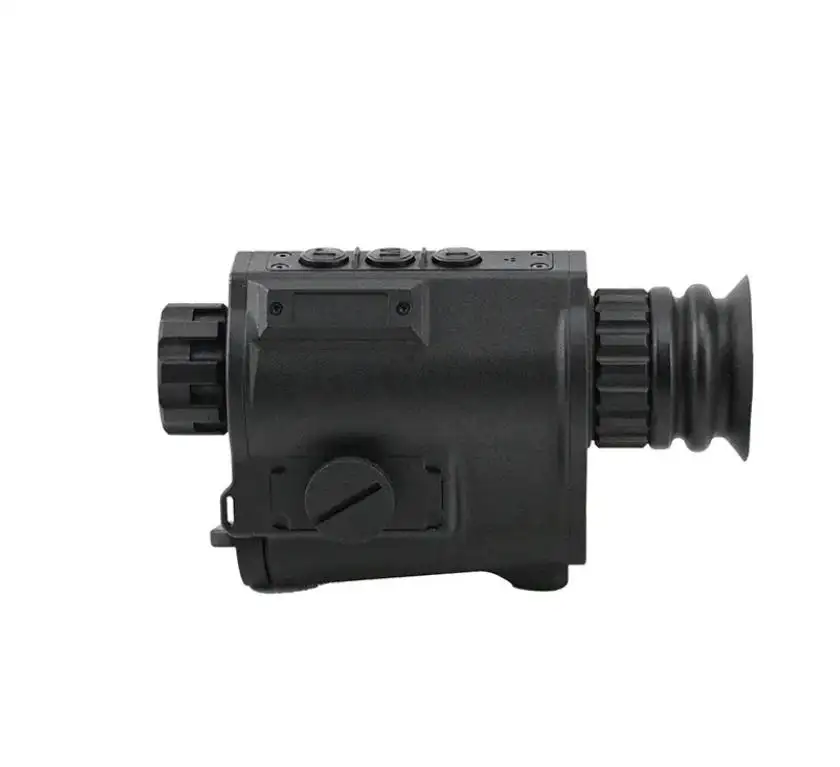
Key Technologies Behind a Reliable Night Vision Scope
Based on years of engineering and field feedback, we see reliability as a mix of three factors: strong image quality, flexible control in different scenes, and rugged durability.
- Optics and Image Performance
First, you need to see clearly. Our optical system combines a wide field of view - around 50° - with a bright digital display, giving users a more natural, panoramic image instead of a narrow tunnel. This is crucial when hiking or navigating at night, because your eyes and brain work better when they can see more of the environment at once.
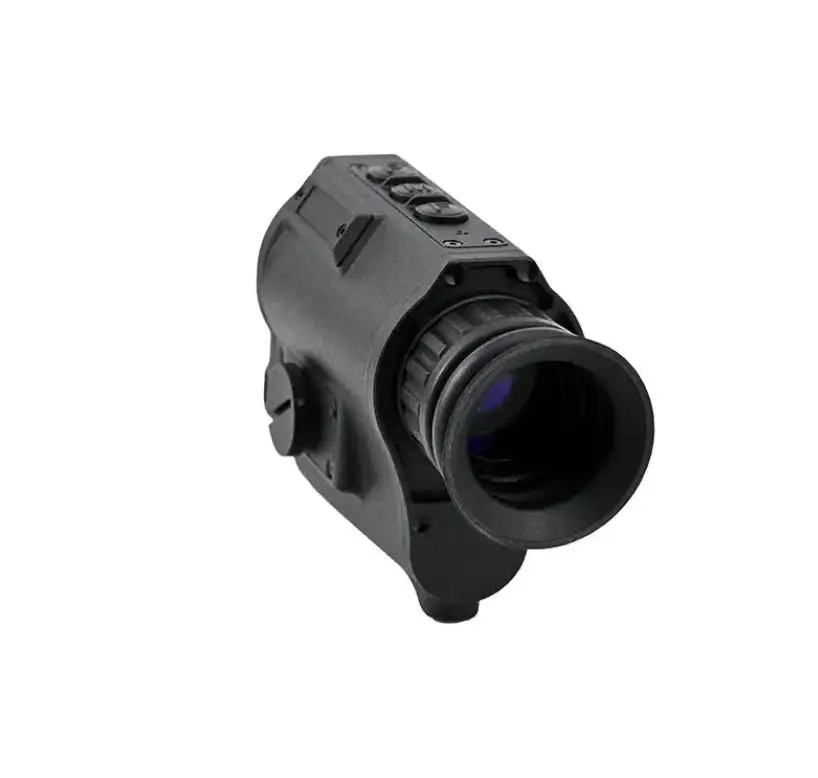
A carefully tuned objective lens around 20 mm provides enough reach for mid-distance identification. That means you can recognize a person, an obstacle, or a landmark at practical outdoor ranges without carrying a huge, heavy lens. The digital sensor is designed to maintain consistent imaging even when lighting changes - moonlight, faint starlight, or soft urban glow on the horizon.
To support this, the system works across a broad spectral range from 400 nm to 1100 nm, capturing more usable information from low-light environments. This helps keep the image steady and clear instead of flickering or fading when conditions shift.
- Built for Long, Demanding Nights
Even the sharpest image is useless if the device cannot last the night. That is why reliable scopes need solid power management and robust construction.
Our night vision solution is built around:
• Working time of more than 7 hours on a single rechargeable battery for typical use
• Flexible battery options for temporary backup in the field
• An IP67 protection level to resist dust and water
• A lightweight housing of about 365 g, helping reduce neck strain when helmet-mounted
For hikers and professionals, this means you can complete a full-night mission, training session, or long hike without constantly checking the battery bar. The device is engineered to keep working in a wide range of temperatures, from cold nights around -20℃ to hot conditions close to 55℃, so you can rely on it in most climates.
The result is a platform that stays with you, instead of forcing you to change your plans because the gear cannot keep up.
How BINOCK Delivers Trustworthy Night Vision for Hikers
At BINOCK, we design every detail around the end user - whether that user is a law-enforcement officer, a search-and-rescue volunteer, or an experienced night hiker looking for the Best Night Vision Scope for Hiking.
Our helmet-mounted solution is built from the ground up to feel natural in motion. Intuitive controls let you adjust brightness, switch between multiple IR modes, and fine-tune the view without taking your eyes off the path. The diopter adjustment range from -4D to +4D helps users with different eyesight conditions get a sharp image without extra glasses or complex setups.
Instead of chasing only extreme specs, we emphasise balance:
• Wide yet comfortable field of view
• High-resolution, stable imaging
• Long working time and robust protection
• Lightweight, ergonomic design for long wear
This balance is what gives hikers confidence. When your night vision scope simply does its job - shift after shift, trip after trip - you can focus on navigation, safety, and the experience around you.
Call to Action
If you are looking for what truly makes the Best Night Vision Scope for Hiking reliable, start by asking how well it fits real life, not just the spec sheet. At BINOCK, we invite you to explore our night vision solutions, compare them with your field needs, and talk with our team about your specific hiking or professional scenarios.
Equip yourself with night vision you can trust - and let your next night hike be guided by clarity, not guesswork.


