


Night Vision and Thermal Goggles: 2026 Guide - Solve Battery Life and Ghosting
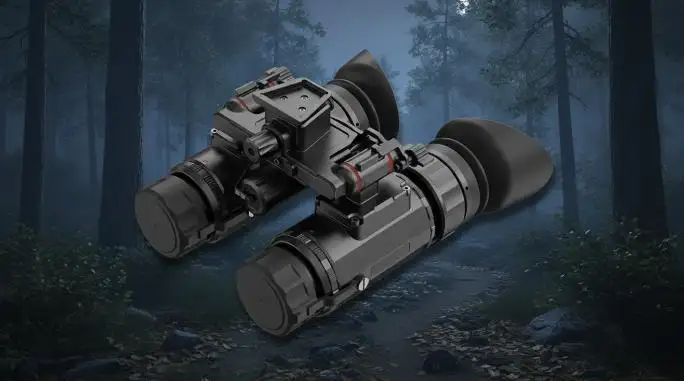
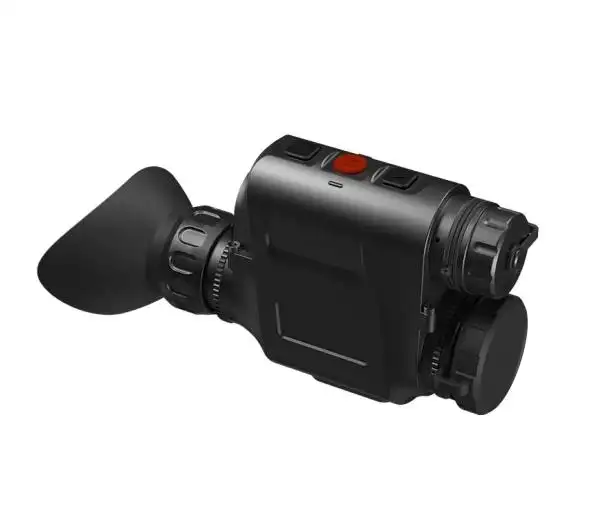
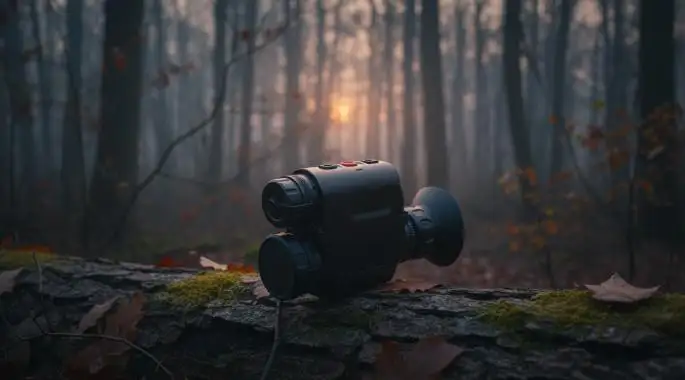
Night Vision and Thermal Goggles are redefining how professionals observe, track, and protect in low-light and zero-light environments, and the 2026 Guide focuses on solving the two issues users care about most: battery life and ghosting.
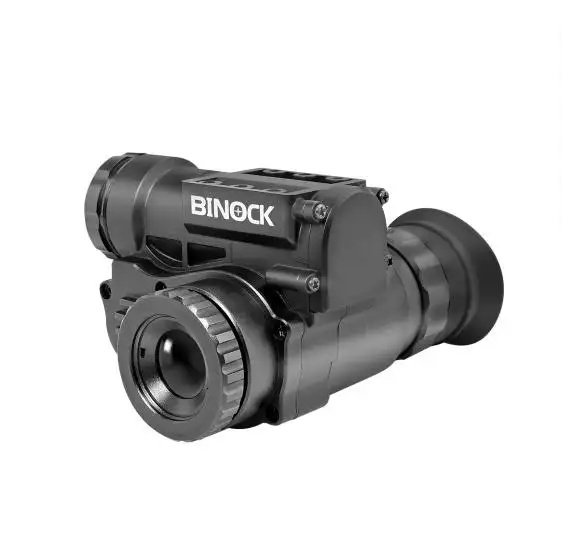
What Are Night Vision and Thermal Goggles, and How Do They Compare?
Night Vision and Thermal Goggles fall into two families. Image intensifier devices amplify reflected visible and near-IR light. Thermal imaging devices detect long-wave infrared radiation emitted by objects. The difference matters in the field. Intensifiers need some ambient light and can struggle in fog, smoke, or heavy foliage. Thermal imaging reads heat signatures through obscurants and total darkness. For wildlife surveys, search and rescue, security, and patrol, thermal provides faster target acquisition and fewer false negatives.
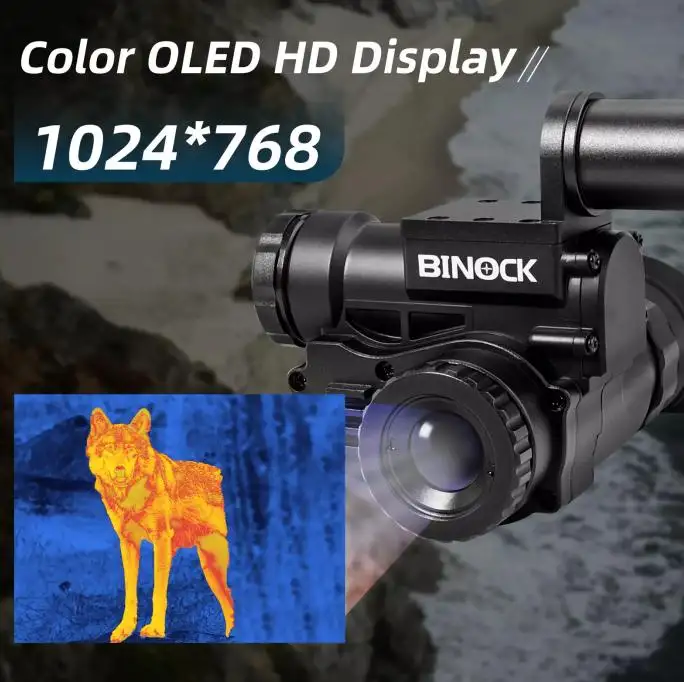
Our latest Night Vision and Thermal Goggles use a non-refrigerated thermal sensor with passive infrared imaging. This architecture is efficient and robust. It avoids the bulky power burden of cooled cores. The detector uses a 12 μm pixel pitch. That smaller pitch improves sensitivity per area, helps reduce size and weight, and supports fine detail at practical focal lengths. The core outputs a 384×288 thermal frame, a proven balance of clarity and power efficiency for handheld operations. The display pipeline is engineered for real-time viewing: no delay and no ghosting. The ocular image remains clear during panning, tracking, or sudden temperature transitions. The housing is compact, with a form designed for one-hand operation and all-day carry. A set of practical modes adapts to diverse scenes, from high-contrast industrial assets to low-contrast wildlife in warm environments.
u How Thermal Differs from Intensifiers
Thermal cameras see emitted energy, not reflected light. They do not need IR illuminators and do not reveal position with active light. They classify targets by temperature patterns and emissivity, even when camouflaged. Intensifiers excel at recognition of fine visual textures under starlight, but their performance drops in haze or smoke. For many operational profiles, a hybrid kit pairs an intensifier for visual detail with Night Vision and Thermal Goggles for detection. This reduces time-to-detect and improves safety.
u Why 12 μm Matters in 2026
A 12 μm detector shrinks the optical train. Lenses can be lighter while maintaining angular resolution. Smaller pixel pitch improves system sensitivity when combined with low-noise readout and effective non-uniformity correction. It also supports faster frame rates at comparable power. In practice, this means extended handheld use, less fatigue, and more stable imaging during long scans.
Two Knots in 2026: Power and Ghosting
Most after-action notes cite runtime gaps and ghosting. To stretch batteries, operators scan less often, keep displays darker, and limit clips or stills. Ghosting reduces confidence during rapid sweeps or when tracking moving subjects. Both issues are solvable with modern components and careful signal processing.
Battery life is a system problem. Sensors, processors, displays, and firmware policies all shape draw. Non-refrigerated cores already remove the largest historical load. From there, design choices matter. A 384×288 core is a pragmatic sweet spot. It yields sufficient detail for detection and classification at common stand-off ranges, while keeping compute and display bandwidth modest. Power-aware pipelines reduce unnecessary frame copies. Low-latency displays at sensible brightness settings extend runtime without sacrificing legibility.
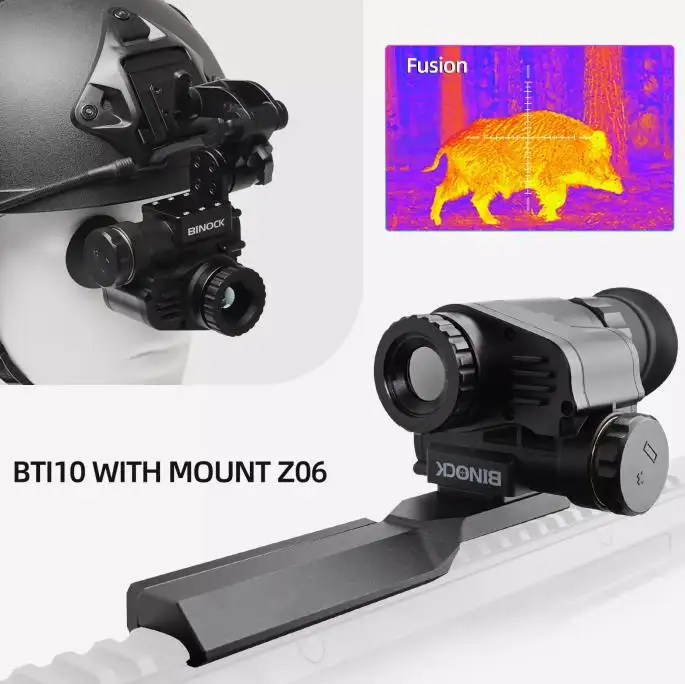
Ghosting has several roots. Slow displays can smear motion. Aggressive temporal filtering can leave persistence trails behind moving subjects. Thermal lenses and sensors can drift as they warm. If the image pipeline pauses for calibration shutters, users may perceive stutter or after-images. Our Night Vision and Thermal Goggles address these points with a no-delay, no-ghosting display experience. The result is stable motion rendering and consistent target edges during pans. That stability reduces operator fatigue and shortens the learning curve.
u Practical Fixes You Can Use Today
•Choose non-refrigerated thermal sensors for handheld endurance.
•Prefer 12 μm detectors to balance size, sensitivity, and power draw.
•Select 384x288 class cores when mission profiles value endurance and portability.
•Verify display behavior in motion: check for smear during fast pans and while tracking.
•Use smart standby and quick-wake settings to cut idle drain between scans.
•Keep the ocular brightness only as high as needed; displays are a major power load.
•Evaluate firmware that applies shutterless or seamless calibration to avoid mid-scan freezes.
•Confirm that the device maintains "no delay, no ghosting" in varied ambient temperatures.
How to Choose and Deploy Night Vision and Thermal Goggles In 2026
Start with the mission. If the goal is detection in all conditions with minimal logistics, Night Vision and Thermal Goggles with a non-refrigerated core are optimal. Confirm that the display path is tuned for real-time use. A device that states "no delay, no ghosting" should demonstrate this during rapid pans across high-contrast scenes. Check for edge integrity around hot targets and for stable gradients in low-contrast backgrounds.
Ergonomics are decisive. A compact, well-balanced monocular reduces shake and improves identification. Portability enables more frequent, shorter scans, which in turn saves power because you can operate at lower brightness and avoid continuous recording. Controls must be reachable with gloves. The housing should be sealed and resistant to fogging when moving between air-conditioned vehicles and humid fields.
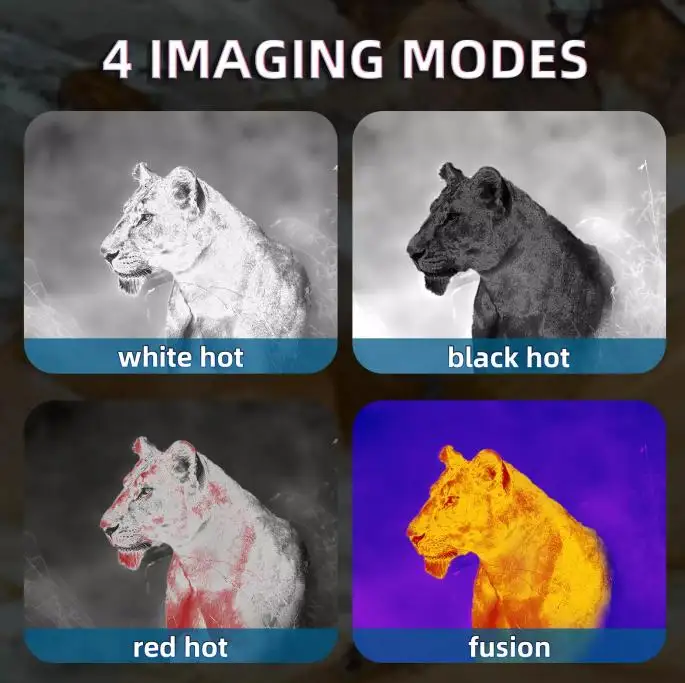
Feature sets should be practical. Multiple palettes aid contrast management as ambient temperatures rise. Quick access to digital zoom helps classification without over-processing. Smart scene modes prevent over-smoothing, which can lead to ghosting. A robust non-uniformity correction strategy keeps the image consistent as the device warms. Field users benefit from fast boot, quiet operation, and intuitive standby behavior.
Our latest Night Vision and Thermal Goggles reflect these principles. The non-refrigerated sensor with passive infrared imaging delivers resilient, low-maintenance performance. The 12 μm detector and 384×288 resolution provide clear, comfortable observation with measured power needs. A high-refresh, no-ghosting pipeline keeps motion crisp and responsive, improving tracking and reducing visual strain. The pocketable form factor speeds deployment from belt or vest, and tactile, glove-friendly controls place essential functions at the thumb for intuitive operation.
Deployment practices improve outcomes. Plan scanning intervals based on terrain and temperature variance.
•Dim the display at night to save power and protect dark adaptation.
•Lower screen brightness after dusk to save power and protect dark adaptation.
•Clean lenses regularly; debris reduces contrast and can mimic ghosting.
•Use temperature-stable storage to reduce warm-up drift.
•Train operators to interpret thermal signatures like heat soak and residual footprints.
•Treat vendor selection as a strategic decision.
•Prioritize fast support, detailed manuals, and iterative firmware updates.
•Ask for trials in real conditions to verify ergonomics, runtime, and motion stability.
•Require clarity on resolution, weight, and power draw trade-offs.
The goal is not a spec sheet race. The goal is performance you trust in the dark, day after day.
Call to Action
Ready to eliminate battery anxiety and ghosting from your night operations? Request a live demo of our Night Vision and Thermal Goggles, or speak with our specialists about an evaluation unit. We will help you configure the optimal sensor, optics, and workflow for your team and deliver a field-proven setup that stays clear, stable, and efficient when it matters most.


