


Thermal Imaging Monocular Buying Guide | Smooth-Tracking Solutions for Night Patrol
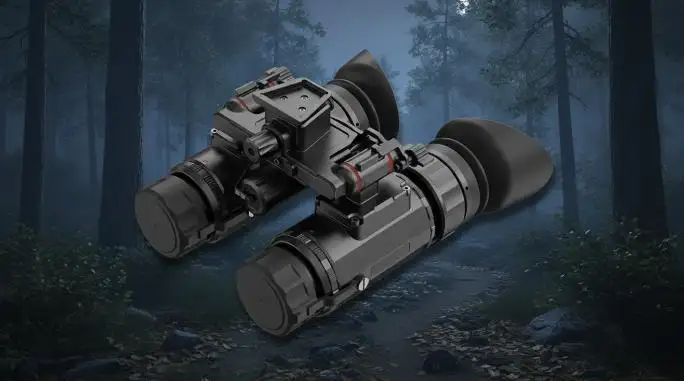
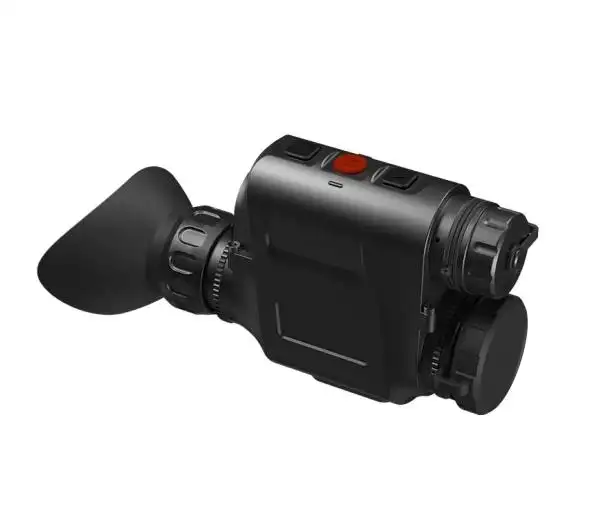
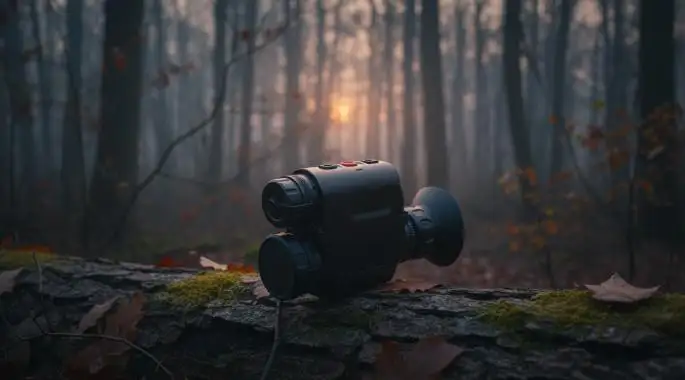
Night patrol requires certainty after dark. A Thermal Imaging Monocular can provide it. Yet models differ in motion clarity, endurance, and protection. Minor choices can reshape outcomes. This guide defines core terms and tests. It explains smooth-tracking at 50 Hz. It outlines focal lengths for balanced reach. It notes endurance for full shifts. It reviews ingress protection for harsh weather. It proposes field checks to verify claims. It also lists common purchase risks. One setting often decides whether scans remain coherent in motion. One test can reveal hidden flaws. The details follow.
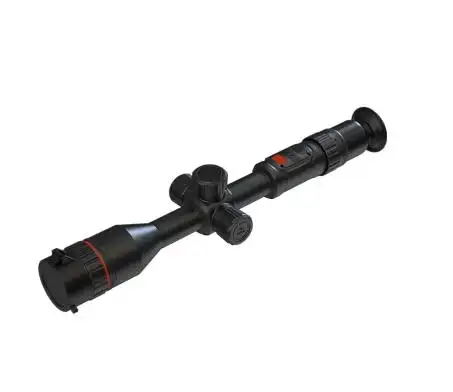
What are the Common Challenges of Night Patrol
• Variable lighting and glare: abrupt transitions from headlights to deep shadow reduce contrast and situational awareness.
• Motion and tracking load: high-velocity pans, chaotic targets, and hand jitter soften edges and mask fine behavioral cues.
• Thermal crossover phases: at dawn and dusk, temperature convergence flattens contrast and complicates identification.
• Weather impact: rain, fog, dust, and wind impair visibility and may bypass poor seals, resulting in failures mid-operation.
• Background clutter: reflective glass, foliage, and dense urban scenes generate false positives and conceal genuine threats.
• Terrain constraints: uneven ground, fences, rooftops, and narrow alleys limit maneuver and stable observation.
• Operator stress: prolonged duty, eye strain, and heavy gear drain attention, slow decisions, and degrade communications.
• Power continuity risks: limited runtime, cable snags, and battery swaps interrupt surveillance rhythm and produce gaps.
• Coordination pressure: saturated comms, multi-unit handoffs, and shifting priorities increase cognitive load and mistakes.
What a Thermal Imaging Monocular Does - and Why Patrol Units Rely on It
A Thermal Imaging Monocular is a handheld or helmet-mountable device that forms images from heat signatures rather than visible light. It reads long-wave infrared energy from people, vehicles, and animals, and renders those signals as a high-contrast thermal picture. Because it's passive, it doesn't need streetlights or IR illuminators to work. It keeps functioning in full darkness, through light fog, and across abrupt bright-to-dark transitions that can overwhelm traditional night vision.
On patrol, this delivers tangible advantages:
• Consistent detection when ambient light is erratic - headlights, reflective glass, and streetlamps no longer dictate what you can see.
• Exposure of concealed threats where shadows or cover would hide details in a conventional night setup.
• No active glow or beam that gives away your position, reducing risk during sensitive operations.
Why Smooth Tracking Is Mission-Critical
Night patrol is movement: a person slipping through an alley, a pickup rolling behind a chain-link fence, a partner panning across a perimeter. If your Thermal Imaging Monocular can't keep up, the scene tears, edges smear, and small cues disappear. Smooth tracking combines fast refresh, stabilized optics, and balanced processing so motion remains coherent during scans and quick pans. It reduces eye strain, avoids misreads from jitter, and raises the odds of catching micro-movements - like a hand gesture or a tool glint - that indicate intent.
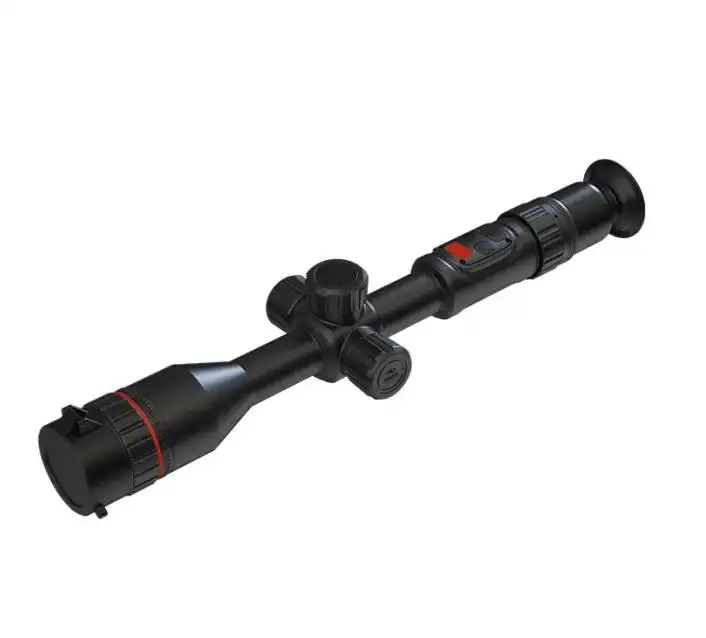
Thermal crossover is another real-world challenge. Around dawn and dusk, object and background temperatures converge, flattening contrast. A well-tuned Thermal Imaging Monocular compensates with adaptive gain and responsive refresh so edges stay visible and heat gradients don't wash out. The result is continuity: your team keeps context even when the environment is trying to erase it.
u Specifications That Actually Matter
The market is crowded with buzzwords, but night patrol benefits from a few proven parameters. Focus on these:
• Frame rate - 50 Hz: Smooth, uninterrupted tracking at 50 Hz prevents motion tear during rapid pans and pursuit. Sub-50 Hz systems tend to smear detail, hide subtle movement, and cause operator fatigue.
• Objective lens - 35 to 50 mm: Balance is the goal. Use 35 mm for wide coverage in tight city grids; reach for 50 mm when you need added distance for IDs across lots, fields, or rail spurs. Bigger isn't automatically better - weight and handling matter on shift.
• Visual magnification (2 - 8x or 3 - 12x): Multi-range magnification supports situational awareness and precise confirmation. Pick the range that fits your typical engagement distances so you don't over-zoom, magnify noise, or lose context.
• Eye relief (around 50 mm): Extended eye relief reduces strain during long surveillance blocks and plays nicely with helmets, visors, and eyewear. Vignetting drops, comfort rises.
• Sealing and durability (IP67): A fully sealed body resists rain, dust, and short immersion. Without true IP67, units often fog internally or fail after repeated wet conditions.
• Continuous operation (up to 15 hours): Extended runtime keeps patrol flow consistent and avoids mid-shift battery changes that introduce blind spots.
• Mounting standard (30 mm tube): The 30 mm tube format works with common rings for stable helmet or platform mounting without bespoke hardware.
The image stack matters as much as the hardware. Adaptive gain preserves contrast through thermal crossover and changing backgrounds. Noise suppression should protect fine textures from smear. Target processing that highlights edges, posture, and tools while remaining agile to motion.
How BINOCK Engineers Stability and Clarity
Smooth tracking isn't just a fast processor - it's the synergy of glass, sensor, software, and ergonomics. BINOCK designs every Thermal Imaging Monocular as a full system for patrol reality.
• Optics: Variable objective options in the 35 - 50 mm class support both wide-area scanning and positive identification at distance. Paired with 2 - 8x or 3 - 12x magnification, you maintain usable field of view while resolving small markers - posture, tools, patches - when a subject steps into view.
• Sensor and refresh: The imaging pipeline is tuned for a true 50 Hz frame rate. That speed keeps motion coherent when you pan along a fence line, track a vehicle cutting through cover, or change direction on a sprint. Less jitter translates to fewer missed cues and lower fatigue.
• Ergonomics: Approximately 50 mm eye relief yields comfortable viewing and reduces vignetting with protective eyewear. The 30 mm tube broadens mounting options, and an IP67 chassis stands up to rain, dust, and surprise immersion.
• 15-hour endurance: Keeps perimeter holds and long rides continuous, eliminating battery-management breaks.
Field outcomes reflect those choices:
• Fast sweep performance is stable, with little tearing.
• Enhanced edge fidelity and fixed magnification reduce false alarms.
• Better identification at practical distances without sacrificing situational awareness.
• Higher uptime in tough weather and variable terrain.
Configuration Tips by Scenario
Different patrol environments call for different balances of reach, field of view, and endurance. Match your Thermal Imaging Monocular setup to the mission:
• Urban perimeter patrol: A 35 mm objective with 2 - 8x magnification keeps field of view wide around buildings, alleys, and parking structures.
• True 50 Hz: Keeps motion natural as pedestrians and vehicles cross at different velocities, reducing blur and lag.
• Rural/industrial coverage: Choose a 50 mm objective and 3 - 12x magnification for long-range identification over lots, sidings, and tree lines; IP67 weather- and dust-tight construction is non-negotiable.
• Wildlife/conservation: The 35 - 50 mm range with 2 - 8x enables broad scans while retaining detail for species separation; long battery life sustains dawn and night runs without interruptions.
• Mixed foot/vehicle patrols: Prioritize eye comfort (eye relief) and steady refresh. Comfortable viewing and smooth motion help during frequent transitions - stepping from the cab to the curb, then panning across moving subjects.
Procurement Checklist and How to Test
A disciplined buying process replaces guesswork with results. Before you commit, work through the essentials:
• Define detection and identification distances for your routes and typical standoff positions.
• Map magnification ranges to those distances to avoid over-zooming and losing context.
• Confirm the stated IP rating with reproducible test data.
• Verify battery life in a scenario that mirrors your workflow.
• Check mount compatibility; a standard 30 mm tube eases helmet and platform integration.
• Arrange a live motion trial to authenticate 50 Hz tracking performance.
For the demo, mirror your patrol cadence. Run vehicle roll-bys at varied speeds, perform slow pans from static posts, and switch quickly to foot pursuit. Watch how edge detail holds on moving subjects, whether the image stays coherent during rapid pans, and how your eyes feel after prolonged viewing. Pay attention around dawn and dusk to see how adaptive gain handles thermal crossover.
Why Standardize with BINOCK
When patrol assignments stretch across mixed light and weather, a Thermal Imaging Monocular tuned for smooth tracking becomes a force multiplier. BINOCK's approach - balanced optics, true 50 Hz refresh, IP67 sealing, extended eye relief, and up to 15 hours of runtime - aims to keep your team on task, reduce false alarms, and improve evidentiary confidence.
Call to Action
Ready to equip your unit with a Thermal Imaging Monocular built for smooth tracking on night patrol? Request a BINOCK field demo. Our specialists will match optics, magnification, and power to your routes and provide a comparative test plan you can run on familiar terrain. Contact BINOCK to schedule a demonstration, receive a technical brief, and standardize on a solution that delivers clarity, endurance, and reliable performance in the dark.


