


How Thermal Imaging Monocular for Hunting Speeds Target ID?
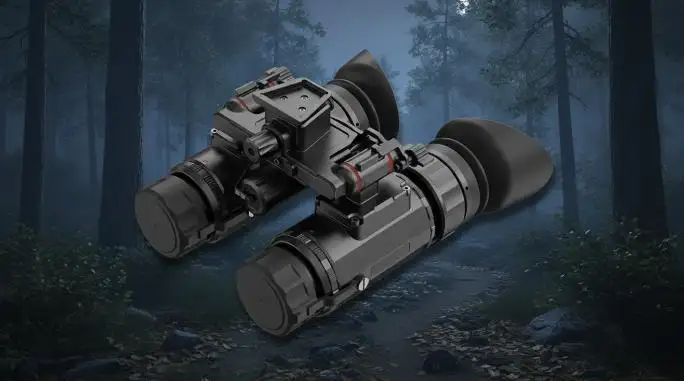
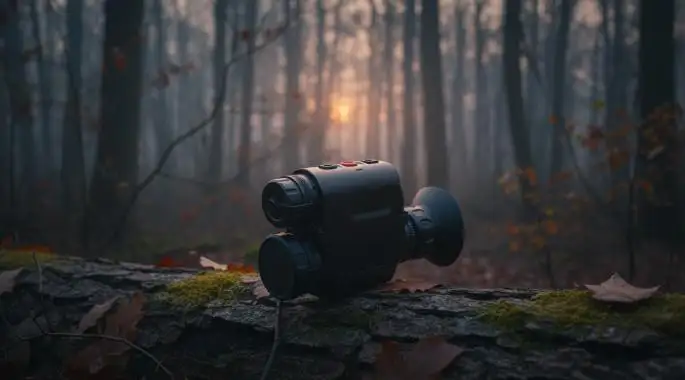
Thermal Imaging Monocular for Hunting is transforming how fast hunters identify targets in the field, especially when the scene is complex, the weather shifts, or time is critical.
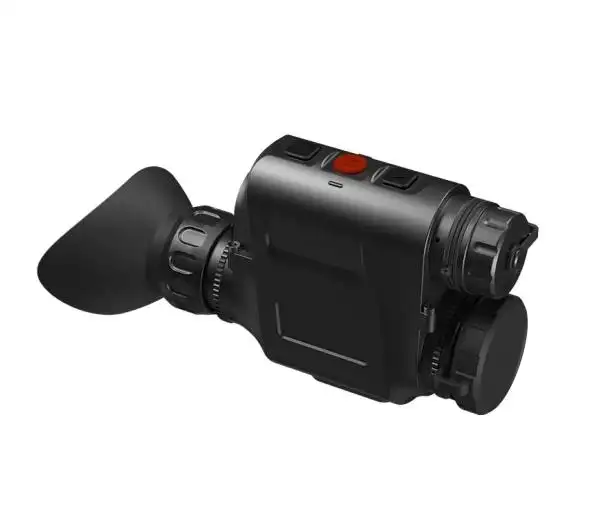
What Is a Thermal Imaging Monocular for Hunting and Why It Matters
A Thermal Imaging Monocular for Hunting detects heat differences rather than visible light. It reads infrared radiation and renders a high-contrast thermal image. This means it works day or night. It also sees through visual obstacles such as light fog, brush edges, smoke, or deep shade. As a result, it reveals animals that are concealed or camouflaged in natural cover.
Compared with traditional night vision, the difference is fundamental. Image intensifiers amplify ambient light. They can struggle in fog or dust. They can also require IR illuminators, which add glare and risk detection by game or other observers. Thermal imaging does not rely on reflected light. It highlights targets by their body heat against cooler surroundings. This speeds recognition of body outline, posture, and movement. For hunters, that is what drives a faster, more confident ID.
From the BINOCK perspective, speed is a system outcome. It is not one feature. To cut seconds in target ID, every stage must be optimized. Sensor sensitivity must be high. Frame rate must be smooth. Image processing must be real time. The device must not freeze to recalibrate. Controls must be instinctive. The unit must remain light and rugged. Only then will scanning be continuous and decisions be quick.
How Technology Speeds Target Identification
Thermal Imaging Monocular for Hunting performance is a chain. Weak links slow you down. BINOCK focuses on the links that most influence time to decision in real terrain.
Core Features that Cut Latency
• Shutterless core eliminates disruptive image freezes. Many thermal devices pause to recalibrate. Those micro-pauses break your scan and force you to reacquire. By removing the shutter event, the image stays continuous. Your attention stays on the target.
• ≤25 mK sensor sensitivity increases micro-contrast. Low noise equivalent temperature difference reveals fine edges. It helps separate an animal from heated rocks, wet soil, or warm vegetation. You see ear tips, tail, and limb definition sooner. That reduces hesitation.
• 50 Hz frame rate preserves motion cues. When you sweep across a treeline, the image remains smooth. Motion blur drops. Gait and head movement become more obvious, which is critical for species ID and for reading behavior.
• Real-time denoising without smearing detail. Aggressive filters can erase texture and delay output. Our processing reduces grain but protects contours and hot spots. This balance lets you read anatomy fast.
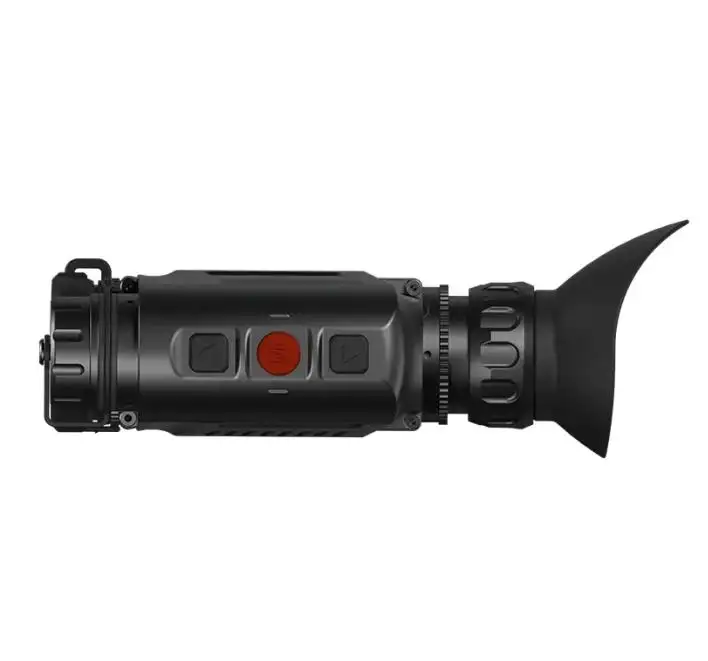
• Ergonomic weight under 250 g reduces fatigue. A stable hand is a faster hand. Light mass and balanced grip keep the image steady during long scans. Less tremor means quicker recognition.
• Robust all-weather sealing. IP67 protection means you keep scanning in rain and dust without second guessing. No extra bags. No break in workflow. Consistency equals speed.
• Power for ≥4 hours. Frequent battery swaps break rhythm and cost targets. Extended runtime sustains your scan plan and keeps the device warm and ready.
• Smart connectivity for real teamwork. Wi-Fi streaming and onboard capture let a partner confirm an ID without handing over the unit. Shared view reduces miscommunication and speeds consensus in group hunts.
• Practical magnification range. A responsive 1 - 4x digital zoom supports quick transitions. You scan wide, then zoom to verify. Smooth steps avoid overshoot and re-centering delays.
There are also lesser-known factors that matter in the field. Eye relief and eyecup design influence how fast your eye settles on the display. Simple, tactile controls reduce cognitive load in gloves. A neutral default palette can save seconds because the brain reads shape faster when the palette is consistent. Thermal palettes are tools, not tricks; the right palette for the background can increase local contrast and reduce mis-ID risk.
The Knowledge Hunters Use to Gain Seconds
A Thermal Imaging Monocular for Hunting does not only show heat. It trains your eye to read patterns. Fast identification depends on a short mental checklist. Hunters often start with shape and cadence. Body length, head-to-shoulder ratio, tail carriage, and stride are fast indicators. Behavior also counts. A feeding pattern is different from curiosity or alarm. Thermal makes those cues visible sooner, but only if the image is stable and clean.
There is also the matter of hot background. Rocks that have absorbed sunlight, wet logs, or engine heat can confuse a quick scan. Here is where sensor sensitivity and denoising pay off. Low NETD reveals the fine temperature steps between living tissue and inert objects. Real-time processing preserves edges so you do not chase false positives. When the image does not stutter and details remain intact, your brain builds the target picture faster.
Field Scenarios, Best Practices, and the BINOCK Advantage
Thermal Imaging Monocular for Hunting delivers the most speed gains when conditions are dynamic. Woodland edges at dusk. Rolling crop fields after a hot day. Windy ridgelines with mixed cover. In these scenes, continuity and contrast make or break a scan. BINOCK designs for these moments.
u Operational Tips That Save Seconds
• Start wide. Use low magnification to sweep for heat signatures. Then step in only to verify species or antler detail.
• Hold a consistent palette. Switch only when the background changes significantly. Consistency helps your brain lock onto shape faster.
• Move slow, watch for fast. Pan with a steady rhythm. Stop briefly on areas with thermal clutter. Tiny movements often confirm life.
• Use Wi-Fi smartly. Share a live view with your partner to validate a target while you maintain visual contact.
• Capture short clips. Review after action to refine your personal ID cues and response timing.
• Keep the unit warm and ready. Avoid frequent power cycles. Continuous readiness reduces boot lag and missed windows.
In wet brush or river bottoms, an IP67-sealed device preserves confidence. You move through rain without pausing to protect the monocular. On long stalks, sub-250 g weight matters more than it seems. Shoulders stay relaxed. Hands stay steady. Fatigue is cumulative, and it steals seconds at the worst time.
Helmet-mount or clip-on use can add speed during mobile scans. Both modes keep your hands free or maintain your rifle's familiar ergonomics. The key is that the image remains smooth at 50 Hz and free of shutter interruptions. That means no lost frames as you cross obstacles or track moving game. Real-time denoising stops the image from sparkling in rain or wind. The target stays defined against the background.
Ethical decisions also benefit from speed with clarity. Faster ID is not just about taking a shot. It is about avoiding the wrong shot. Clear anatomy and behavior cues help you confirm species, age class, and position. They help you see what stands behind the target. Thermal imaging does not replace discipline; it enhances it.
u Why BINOCK
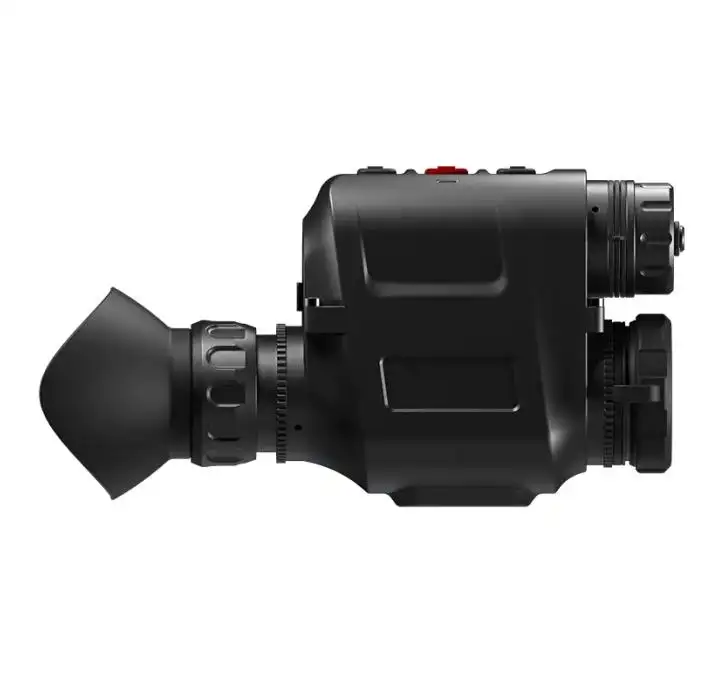
BINOCK builds to a field-first standard. We test in real weather and mixed terrain. We measure success in seconds saved and errors avoided. Our Thermal Imaging Monocular for Hunting combines a shutterless core, high sensitivity, 50 Hz refresh, and robust power management in a compact, rugged form. It is a practical balance of portability, clarity, and durability for all-weather missions.
Call to Action
If faster, more confident target identification is your goal this season, put BINOCK to the test. Request a live demo, schedule a field trial with your team, or speak with our specialist about configuring a Thermal Imaging Monocular for Hunting for your terrain. Contact BINOCK today to accelerate your next hunt with clarity you can trust.
Share on Social:


