


Thermal Imaging Monocular Wholesale with Flexible Optical Performance
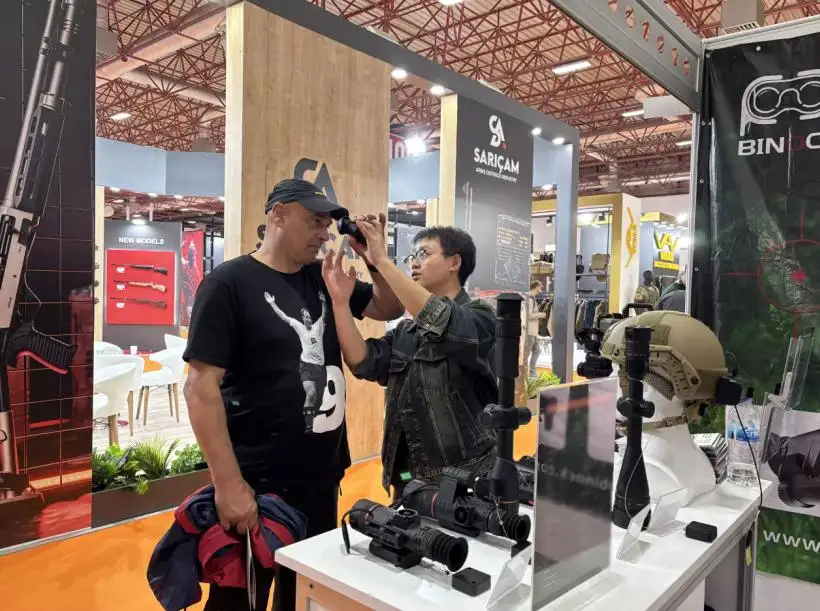
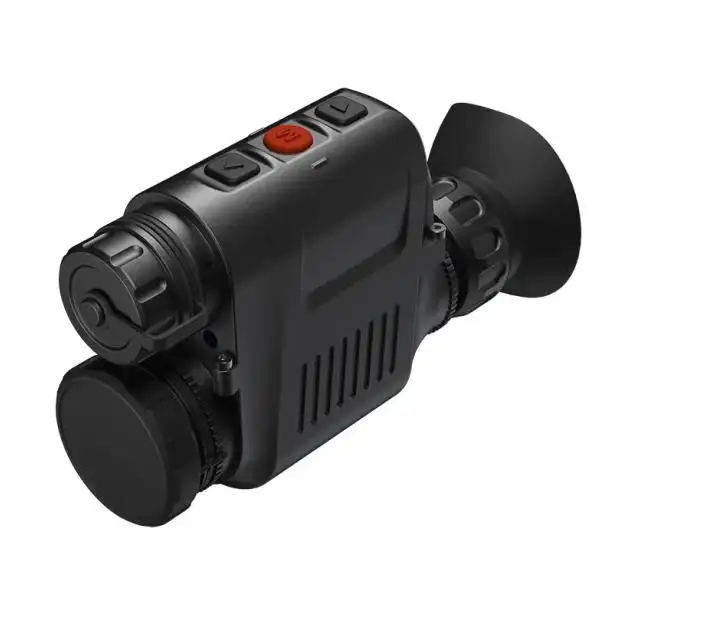
Thermal Imaging Monocular buyers in the wholesale market are looking for tools that stay sharp, stable, and easy to use in real field conditions, not just on paper. When teams go out on patrol, search, or security duty, they face changing distances, mixed terrain, and unpredictable weather. A fixed, "one-distance-only" device quickly becomes a problem. Operators need thermal optics that can switch smoothly from wide scanning to accurate identification, while still staying light and reliable. That is where flexible optical performance becomes a real advantage.
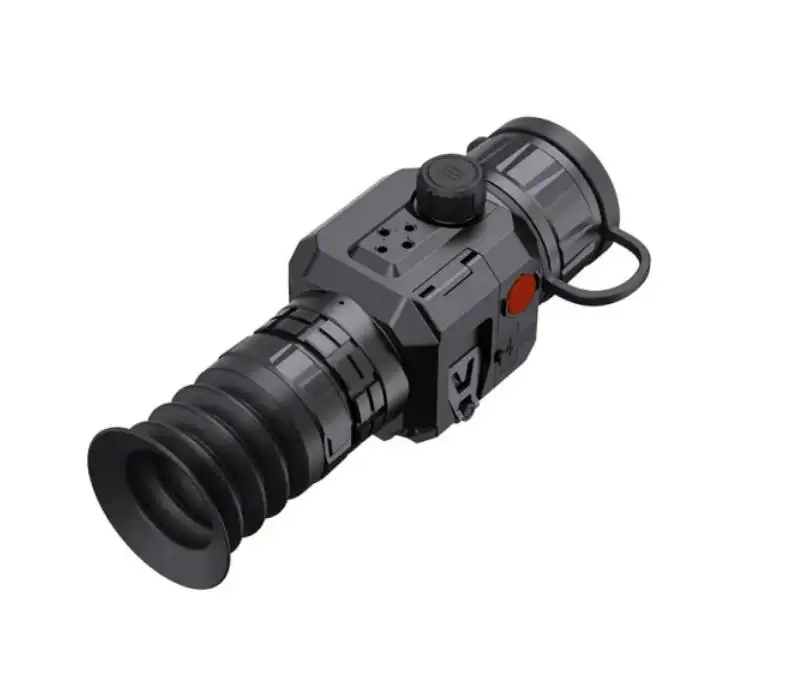
Why Flexible Optics Matter in Thermal Imaging Monocular Wholesale
Think about the last time you or your team worked at night. The environment probably changed every few minutes. One moment you're scanning a wide open field, the next you're trying to pick out a small heat signature at the far edge of your range. A single fixed-purpose device struggles with that.
This is exactly where a Thermal Imaging Monocular with flexible optical performance earns its place. Instead of being locked into one narrow use case, it helps solve several pain points at once:
- You can scan large areas quickly, without losing situational awareness.
- You can zoom in for positive identification when something catches your eye.
- You keep stable images of moving targets, instead of fighting laggy, blurred frames.
- You carry a lightweight tool, not a brick that drags you down halfway through a shift.
Teams on foot patrol, mobile response units, wildlife rangers, and industrial inspectors all face similar challenges: they move, their targets move, and the weather rarely cooperates. Fog, drizzle, dust and temperature swings are part of the job, not an exception. A flexible Thermal Imaging Monocular is designed for exactly this mix of uncertainty and pressure.
For wholesale buyers, this flexibility also reduces complexity. Instead of buying different models for short-range scanning and long-range observation, one well-designed monocular can cover multiple roles. That means fewer SKUs to manage, simpler training, and a more consistent user experience across the whole team.
Inside the Flexible Optical Performance of Modern Thermal Imaging Monoculars
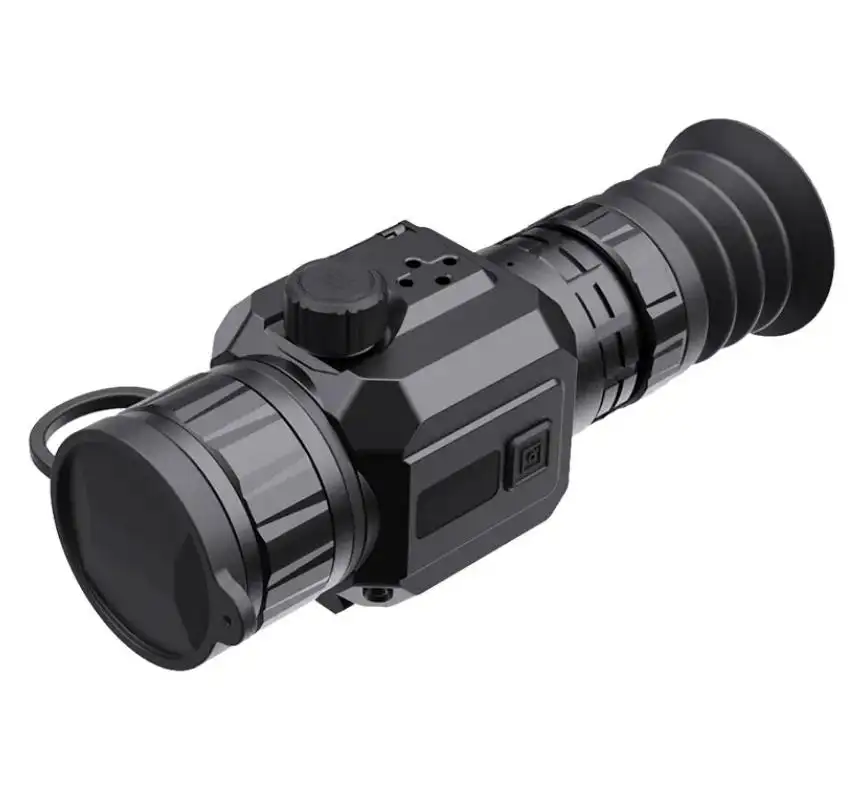
So what gives a Thermal Imaging Monocular its "flexible" feeling in the field? It starts with the optics. A well-designed system might support objective lenses in the 19 - 35 mm range, which strikes a useful balance: you get enough width for area scanning and enough reach for longer-distance identification.
On top of that, modern devices no longer jump between only two or three fixed zoom levels. Optical magnification can flow smoothly from low to high values, even up to around 16x, and then be paired with a clean 1 - 8x digital zoom. In practice, that means a user can quickly dial in just the right view: wide when searching, tight when confirming what they see. No swapping optics, no extra tools.
Image stability is another quiet hero. A frame rate around 50 Hz keeps moving subjects smooth instead of jerky. When someone is walking along a fence line, when a vehicle passes, or when an animal crosses the edge of your field of view, that higher refresh rate helps you follow them without losing detail. For security, search and rescue, and wildlife work, this difference is noticeable the first night you use it.
Comfort is often overlooked until users start complaining. Long observation sessions can be surprisingly tiring if the device is not designed around the human eye. A thoughtful Thermal Imaging Monocular keeps eye relief at a comfortable distance - around 45 mm - so operators do not need to press the eyepiece into their face just to get a full image. Over time, that small design decision means less eye strain and fewer headaches, especially on overnight shifts.
Then there is the physical side of things. A unit that weighs under 500 g changes how it feels to work. On paper, a few hundred grams seems trivial; after hours of carrying it on a vest or lifting it to your eye again and again, the difference is obvious. Lightweight gear translates directly into less fatigue and quicker reaction times.
Durability and runtime round out the picture. An IP67 protection rating means the monocular is sealed against dust and can survive heavy rain or short drops into water. When you combine that with more than 4 hours of operating time, you get a tool that can realistically stay in the field for a full operation, instead of becoming an extra battery-management problem.
All of these elements - lens range, magnification, frame rate, eye relief, weight, protection level, runtime - combine into one simple question for the user: does this Thermal Imaging Monocular help me do my job with less effort and more confidence? When the answer is yes, the technology disappears into the background and the work comes to the front.
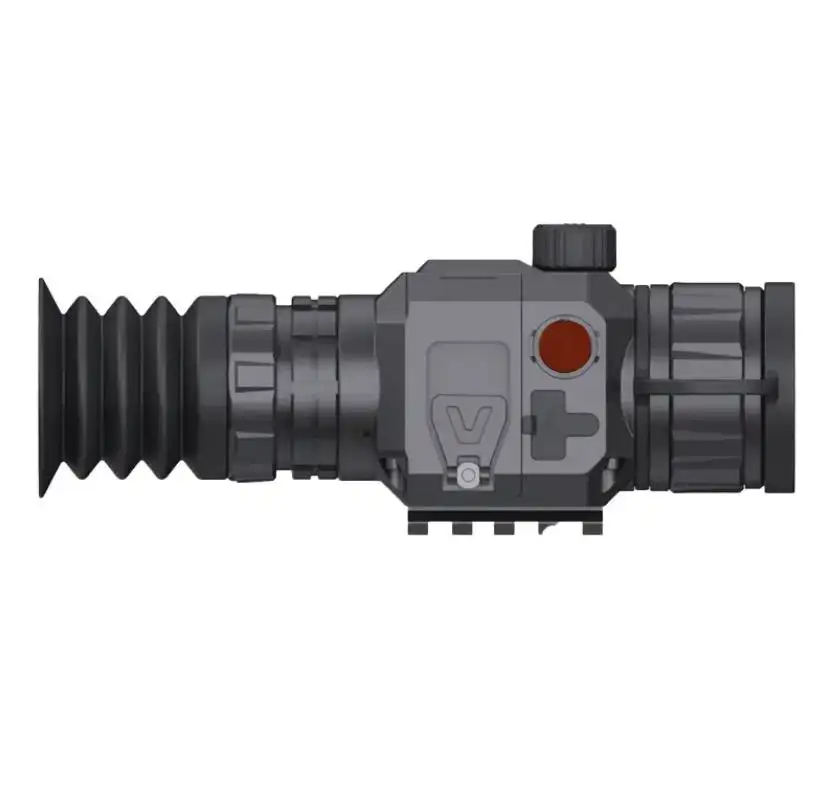
How to Choose the Right Thermal Imaging Monocular Wholesale Partner
Once you know what a good device looks like, the next challenge is choosing the right Thermal Imaging Monocular wholesale partner. The market is crowded. Many products look similar in photos and on spec sheets, but not every supplier is building for real-world use.
When you evaluate options, it helps to look beyond the price tag and ask a few practical questions:
- Does the optical system truly cover your scenarios?
Make sure the lens range and magnification are useful for the distances and environments your team actually faces. Wide open fields, urban streets, industrial facilities, and forested areas all demand slightly different viewing behavior.
- Is performance stable in motion and bad weather?
A higher frame rate and robust sealing are not just marketing terms. They decide whether your team can track a moving target in the rain or fog without losing the picture.
- Will your users be willing to carry it all night?
A lighter device with comfortable eye relief is far more likely to be used correctly and consistently. Heavy or awkward tools often end up left in the vehicle.
- Can the supplier support you after delivery?
Training, troubleshooting, and clear documentation matter. A responsible Thermal Imaging Monocular supplier helps your team understand how to get the most from the optics, not just how to turn the unit on and off.
- Is there a roadmap, not just a product?
Ask how the supplier plans to evolve their thermal line. Wholesale cooperation works best when you know that firmware improvements, optical updates, or new accessories will be available over time.
A strong wholesale partnership turns a purchase into a long-term advantage. Your teams get consistent, reliable tools. Your procurement process becomes simpler. And your organization can standardize on a Thermal Imaging Monocular platform that grows with your needs instead of being replaced outright every few years.
If you are preparing to equip a new unit, refresh ageing night-vision gear, or expand into thermal capabilities for the first time, now is a good moment to reassess what you expect from your optics. Flexible, field-proven thermal monoculars are no longer reserved for elite teams; they are accessible at scale through the right wholesale channels.
Ready to see what flexible thermal optics can do for your operations?
Get in touch with our team to explore Thermal Imaging Monocular wholesale solutions, compare configurations for your specific use cases, and design a package that balances performance, budget, and long-term reliability. Your next night shift does not have to feel like guesswork.
Share on Social:


