


Thermal Monocular for Hunting • No Lag • No Black Screens
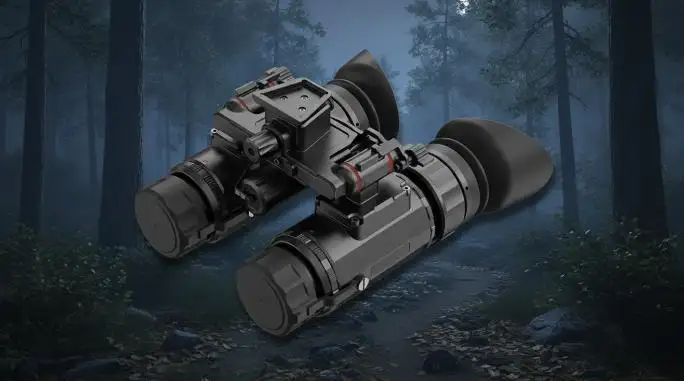
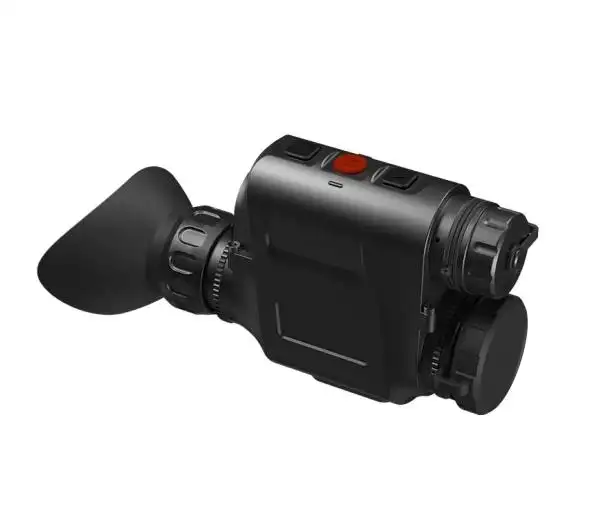
Thermal Monocular for Hunting is redefining how modern hunters detect, track, and make decisions at dawn, dusk, and in adverse weather. By turning tiny temperature differences into a clean, high-contrast picture, it opens up the low-light hours and messy conditions where game is most active. This article examines the Thermal Monocular for Hunting in operational detail. It presents use cases and decision frameworks. Which features prevent lag and blackout events under pressure? Which settings preserve micro-contrast during rapid motion? The answers follow, step by step.
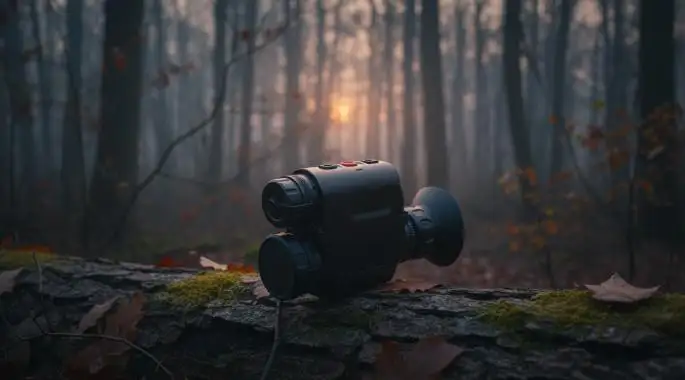
Understanding a Thermal Monocular for Hunting
- What Is a Thermal Monocular For Hunting?
A thermal monocular for hunting is a compact, handheld imaging tool that reads heat rather than reflected light. Instead of relying on ambient illumination like night-vision, it maps temperature gradients to produce a clear view through fog, smoke, brush, and complete darkness. The technology transforms marginal windows - pre-dawn, last light, or weather-stressed days - into usable time by revealing animals, movement cues, and terrain features that the naked eye or traditional optics would miss. For hunters, the benefit is not just seeing more, but seeing more consistently when conditions change minute to minute.
- Special Requirements Compared with Ordinary Thermal Devices
Thermal imaging is widely used for inspection and security, but a Thermal Monocular for Hunting must meet stricter field demands. Responsiveness is non-negotiable: a device has to keep pace with fast pans, sudden changes in background temperature, and quick target transitions without lag. Visual continuity is equally vital; a blackout mid-scan can break focus at the worst possible moment. Mobility rounds out the picture - hunters need lightweight gear that survives rain, dust, and temperature swings, and works all evening without constant battery swaps.
These requirements drive specific engineering choices: a shutterless core to eliminate blackout events; real-time denoising that stabilizes fine details without flattening edges; and a highly sensitive sensor that teases out small thermal differences amid clutter. The result is a Thermal Monocular for Hunting that remains fluid, quiet, and precise under pressure.
Our latest Thermal Monocular for Hunting embodies these priorities. It uses a shutterless architecture for uninterrupted viewing, avoiding the black screens associated with mechanical NUC (non-uniformity correction). It applies real-time denoising that reduces flicker while preserving micro-contrast - think ear tips peeking through grass, faint hoof prints along a damp trail, or a subtle chest rise as an animal settles. With sensor sensitivity at or below 25 mK and a 50 Hz refresh rate, motion stays smooth and detail remains intact. Paired with a crisp 1024x768 display, identification becomes faster and more confident, even in complex backgrounds.
No Lag, No Black Screens: Solving Field Pain Points
u Shutterless Core and Real-Time Denoising
Many thermal imagers rely on mechanical shutters for periodic calibration, briefly blocking the sensor to normalize the detector. In hunting, that break produces a disorienting black screen right when you're scanning a fence line or easing into a stalk. A shutterless core handles calibration in the background, maintaining continuous imagery so you can keep your eyes on the animal and the terrain.
Real-time denoising complements this by taming temporal noise without smearing edges. That matters when you need to separate a deer standing against a sun-warmed slope or pick out a boar moving through brush that's still radiating heat from the day. A cleaner, steadier picture reduces misidentification and speeds up decision-making.
There's another advantage to shutterless operation: it's quiet. Mechanical shutters often produce an audible click that can be heard at close range. Removing the shutter not only eliminates that noise but also removes a moving part that can wear out or fail in dusty, wet environments. Taken together, these refinements support the promise behind Thermal Monocular for Hunting: no lag, no black screens, and fewer distractions.
u Sensitivity, Refresh Rate, and Image Stability
Sensitivity and refresh rate define how well a device handles nuanced scenes and fast motion. A noise-equivalent temperature difference (NETD) of 25 mK or better brings out fine structures - an ear partially occluded by grass, the angle of a shoulder, or an animal stepping from a cool ravine into open ground. A 50 Hz frame rate reduces latency and tearing when you sweep a ridge or track across open fields. Combined with proper display resolution, these parameters influence both detection and identification.
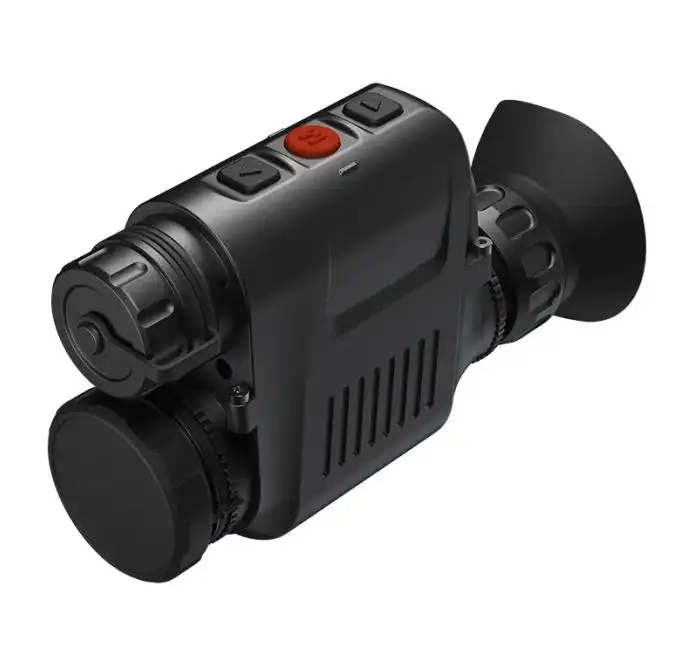
Detection is simply noticing a heat source; identification is confirming species, posture, and behavior. Fine sensitivity captures faint heat signatures. Fast refresh and dense pixels preserve micro-contrast and edge integrity while you pan or track.
To achieve this in the field, look for:
•≤25 mK sensitivity for weak thermal cues in complex backgrounds
•50 Hz frame rate for fluid motion and low perceived lag
•1024x768 display resolution for confident identification
•1 - 4x digital zoom to balance reach and noise control
•25 mm eye relief for comfortable viewing with eyewear
•Weight below 250 g to minimize fatigue and enable helmet/clip-on setups
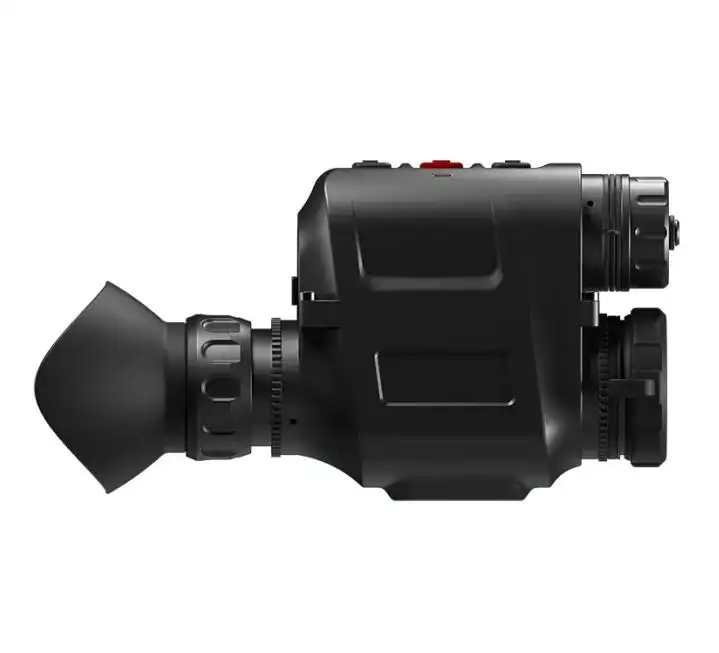
Operational resilience is as important as image quality. A Thermal Monocular for Hunting should run for hours without frequent battery changes. With operating times of 4 hours or more, you can cover evening hunts and extended glassing sessions. Ruggedness - demonstrated by IP67 sealing - keeps optics and electronics safe from dust, rain, and sudden dips in temperature.
A Compact, All-Weather Platform for Demanding Hunts
u Integration and Use Cases
The best thermal monoculars slot naturally into different hunting workflows. Handheld scanning is the go-to for broad searches along edges and open country. Helmet-mounted use offers hands-free awareness when you're navigating brush, climbing, or managing gear. Clip-on configuration in front of a day optic allows quick transitions without re-zeroing, useful when you want thermal detection plus the familiarity of your primary scope.
Connectivity and capture features expand how you train and coordinate. Wi-Fi sharing and onboard photo/video make it easier to coach a partner, review wind calls, and analyze behavior patterns afterward. Guides can stream the view to a companion device to discuss approach, angles, and timing in real time. A modern Type-C interface simplifies field charging and data transfers with power banks and laptops.
Ergonomics are central to sustainability in the field. Sub-250 g weight reduces strain on wrists and neck during long scans. A balanced center of gravity and textured grip help when conditions get wet or muddy. Practical eye relief - 25 mm - lets you see the full image without pressing the eyecup, which matters with glasses or protective eyewear. Simple, glove-friendly controls and intuitive palette options (e.g., White Hot, Black Hot, highlight modes) further reduce friction when the weather turns or the pace quickens.
While most hunters know thermal shines in darkness, fewer consider how micro-contrast and denoising impact judgment. Real-time denoising that protects edges avoids the waxy look where animals and terrain smear together. Preserving small cues - leg articulation, tail position, head orientation, micro-movements that indicate alertness - supports ethical identification and cleaner shot selection.
Equally important is continuity when background temperatures shift. As you move from a sun-baked slope to a shaded creek bed, the internal calibration must adapt without a visible reset. Shutterless calibration and stable gain control smooth those transitions, preventing abrupt shifts that break focus or cause eye strain. You keep your pace and posture, the device keeps the picture stable.
A concise overview of field-ready features:
•All-weather reliability with IP67 sealing for dust, rain, and mud
•≥4 hours operating time to support evening hunts and extended tracking
•Wi-Fi and media capture for training, review, and team workflows
•Type-C interface for fast charging and simple field integration
Ultimately, a Thermal Monocular for Hunting is about outcomes. Reduced lag and uninterrupted visuals shorten detection times and improve identification quality. Lightweight construction minimizes fatigue so you stay steady when decisions matter. High sensitivity and robust denoising uncover subtle signs that separate a promising lead from background noise. Across seasons and terrain, you gain a more focused, efficient hunting experience.
Call-to-Action
Elevate your field performance with our Thermal Monocular for Hunting - No Lag, No Black Screens. Request a demo, explore configuration options for handheld, helmet, or clip-on use, and speak with our specialists about sensitivity, display, and integration tailored to your region and quarry. Reach out today to schedule a field test and transform your next hunt.


