


Night Vision With Helmet In 2026: Practical Digital Performance Without Tube-Only Pricing

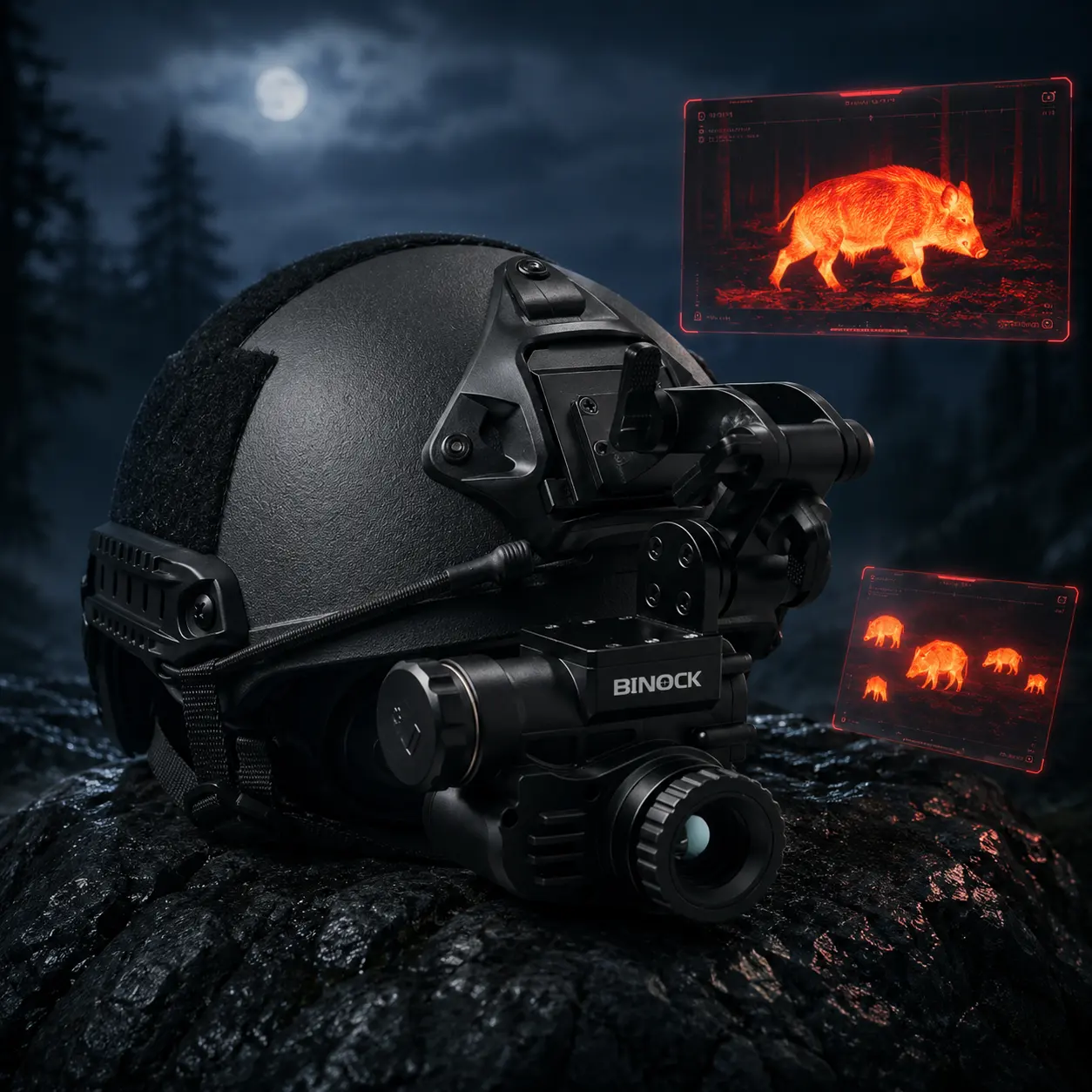

Night Vision With Helmet is no longer reserved for high-budget teams in 2026. Digital systems have grown up fast—sharper displays, better optics, smarter power management, and more predictable ownership costs. For training, patrol-style observation, and outdoor night work, many users now want something simple: clear situational awareness, stable helmet mounting, and gear that stays reliable across long sessions.
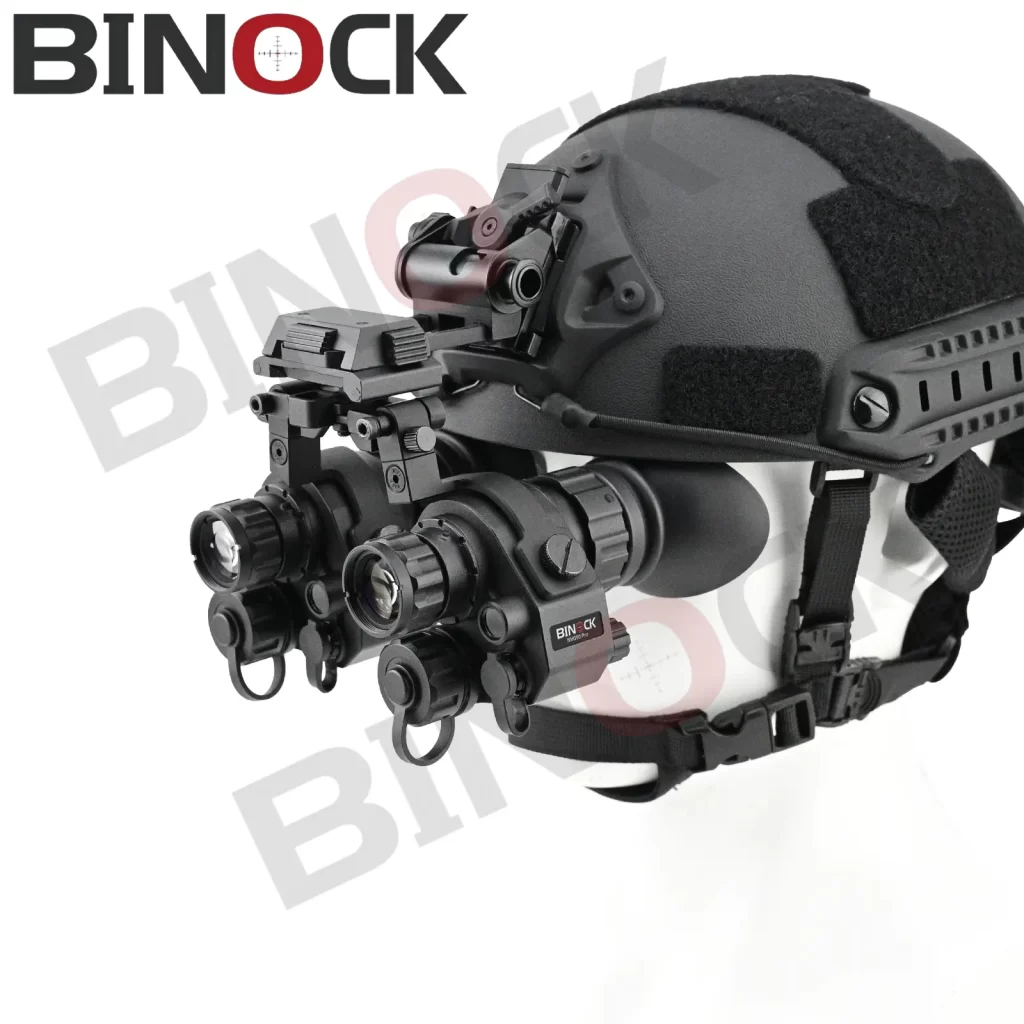
At Binock, we built the NVG90 PRO around that reality. The point is not to "chase history." The point is to help more users run a Night Vision With Helmet setup that feels confident in real movement, not just on a spec sheet.
Why "Military-Grade" No Longer Means "Tube-Only" in 2026
For years, "military-grade night vision" was almost a synonym for image-intensifier tubes. Tubes can be excellent, but they also bring a cost structure that is not always necessary for every buyer’s use case. In 2026, the market has shifted: digital night vision has improved where it matters most—optics, display clarity, power efficiency, and compatibility with modern helmet ecosystems.
This is why "military-grade" is better treated as a performance standard, not a single technology. A Night Vision With Helmet system should be judged by what it enables at night:
•Do you read motion and contrast quickly?
•Can you scan without constant head turns?
•Does the mount feel stable when you move?
•Can you stay powered through a long training block?
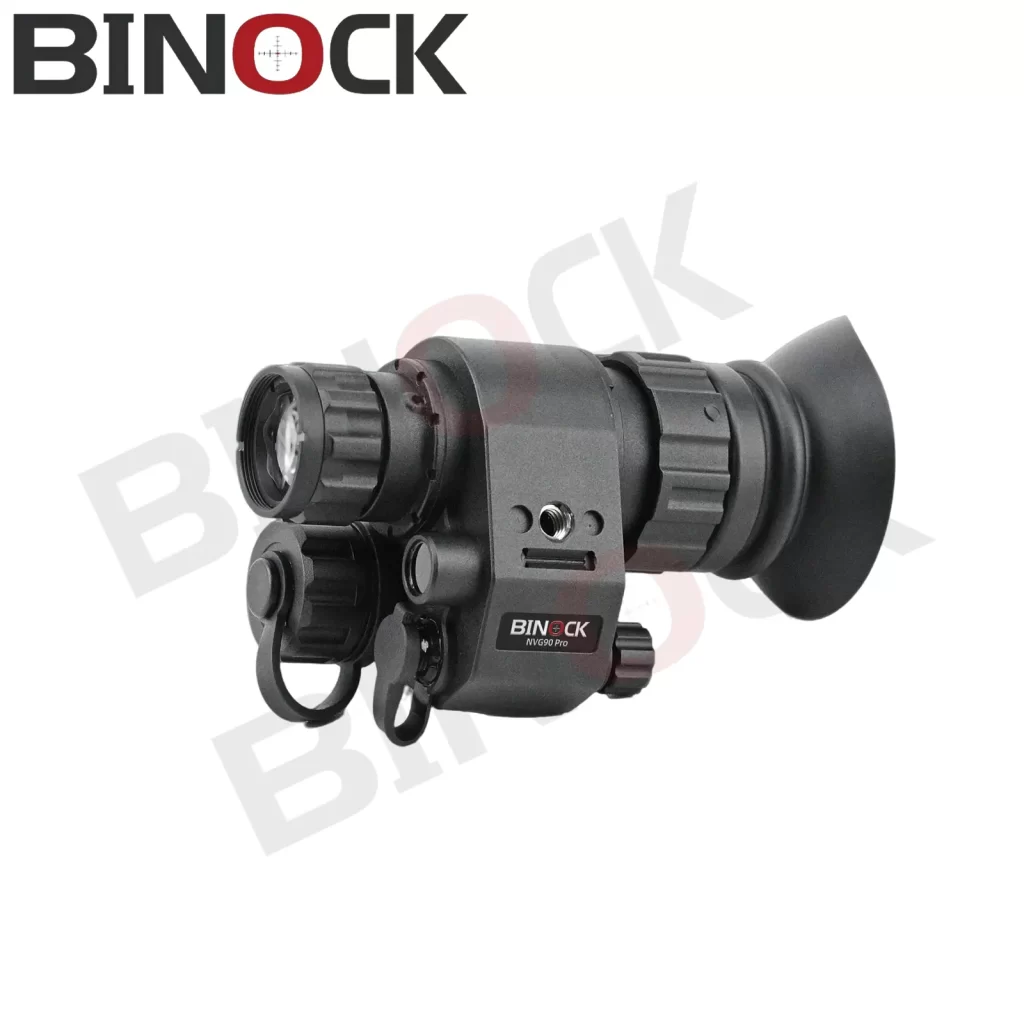
NVG90 PRO is designed for users who want dependable night capability with predictable costs and easier upkeep—especially when the device is used frequently, transported often, or shared across a team kit.
Start With What You Actually See: Field of View and Display Quality
If you are new to helmet-mounted night work, it is easy to focus on one headline number and miss the "feel" of the system. In practice, two factors shape the Night Vision With Helmet experience more than most people expect: field of view (FOV) and display quality.
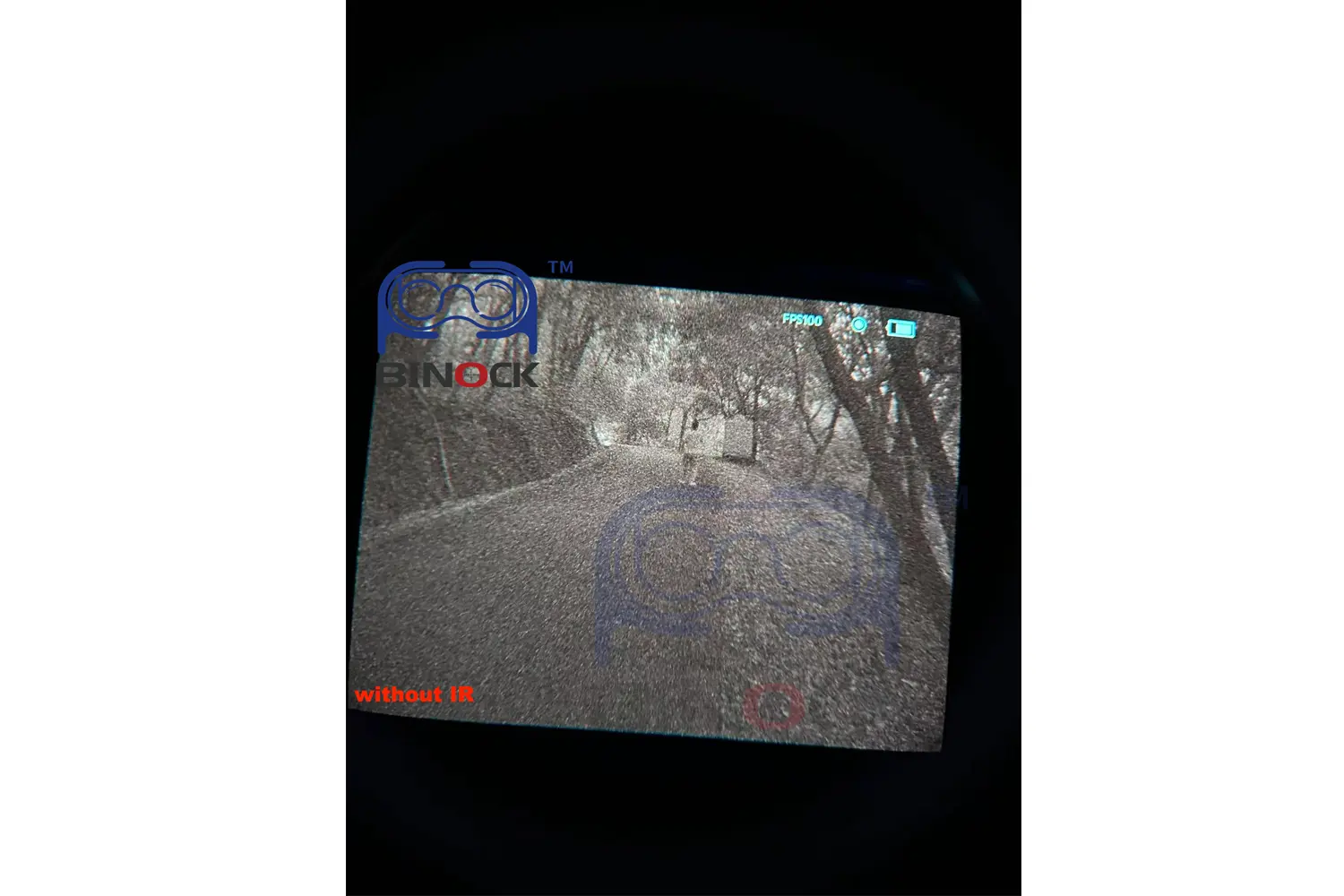
NVG90 PRO uses a wide 50° FOV with an 800×600 digital display. That combination matters because wide viewing reduces the need for constant head movement. Less head movement usually means less fatigue, smoother scanning, and faster decision-making—especially during the first hours of training when your brain is still learning how to interpret low-light imagery.
A clean, stable display also changes your confidence level. When the image is crisp enough to separate contrast edges and detect subtle motion, you spend less time "interpreting the screen" and more time staying aware of your environment.
•Wider viewing helps scanning feel natural
•Cleaner imaging makes motion easier to spot
•Less "screen reading" means better awareness under stress
Optics That Work In Motion, Not Only When Standing Still
Specs only matter if they translate into real movement. Helmet-mounted viewing is not the same as looking through a device by hand. The moment you start walking, turning, or checking your surroundings, your eyes will punish any setup that feels narrow, unstable, or visually "tunnel-like."
NVG90 PRO is built around a 19.8 mm optical system with 1× magnification. For a Night Vision With Helmet rig, 1× is a practical advantage: it supports a more natural sense of distance and reduces the disorienting effect that can happen when magnification and field of view are mismatched.
This is also where many buyers redefine "military-grade" for themselves. Instead of asking, "Is it tube or digital?" the better question becomes, "Can I move safely and confidently with this on my helmet?"
When optics, FOV, and display are balanced, you get smoother scanning and less visual strain—especially for beginners building night routines.
•Helps new users adapt faster to night movement
•Supports navigation and observation without constant stopping
•Improves comfort during longer sessions
The Hidden Cost Saver: Power Strategy and Long Runtime
A surprising number of night vision purchases fail for a simple reason: power planning shows up late. Users test image quality first, then meet runtime anxiety—frequent swaps, charger coordination, and the constant "time check."
NVG90 PRO provides long-duration use: 18+ hours continuous in typical conditions, with multi-battery support (incl. 16340 rechargeable) and broad compatibility with common alternatives. That flexibility matters when you travel, train across multiple locations, or manage a shared equipment pool.
A strong Night Vision With Helmet setup is not only about seeing well. It is about staying ready when the session runs longer than expected—without turning night work into a battery-management project.
•Long runtime reduces interruptions during training blocks
•Battery flexibility simplifies sourcing and field logistics
•Lower operating friction improves consistent skill building
Helmet Compatibility: Mount Interface, Weight, and Weather Sealing
When you run Night Vision With Helmet, mechanical fit is not optional. Even excellent optics can feel "bad" if the device sits poorly, wobbles on movement, or creates front-heavy fatigue that you notice after 20 minutes.
NVG90 PRO uses a standard Wilcox interface, which supports modern helmet setups and reduces guesswork for users already running common mounting ecosystems. It is also lightweight at 268 g, which matters more than most beginners expect. Lighter weight reduces neck strain, improves stability, and helps you maintain steadier viewing during motion.
Durability should also be measurable. NVG90 PRO is rated IP67, built to handle dust and water exposure for real outdoor conditions. In 2026, users expect equipment that survives weather, transport, and repeated sessions—not gear that only feels "premium" indoors.
•Stable mounting improves confidence during movement
•Lower weight supports longer wear with less fatigue
•IP67 sealing supports practical outdoor use
Range Claims That Make Sense: Detection Vs Identification and Your Next Step
Range numbers are often misunderstood. A more useful approach is to separate detection from identification:
•Detection: you can tell something is there
•Recognition: you can tell what kind of target it is
•Identification: you can confirm what it actually is
NVG90 PRO provides a practical DRI reference for a human-size target: 935 m detection / 468 m recognition / 234 m identification. For most buyers, identification distance is the most meaningful number, because it reflects when you can confirm what you are seeing—not just notice movement at the edge of a scene.
This is also where value becomes strategic. Many users do not need the most expensive legacy solution to meet their real operational needs. They need a Night Vision With Helmet system that is clear, reliable, comfortable on a helmet, and easy to keep running. In 2026, that is what "serious capability" looks like: performance that supports real decisions, without premium pricing that limits access.
CTA: Build a Night Vision With Helmet Setup That Matches Your Use Case
If you want to build a Night Vision With Helmet system around Binock NVG90 PRO, reach out to Binock for a configuration recommendation (mounting choice, battery plan, and use-case fit). We can help you choose a setup that supports your training, patrol-style observation, or outdoor operations—without paying for features you will not use.
Share on Social:


