


Our Factory Tour: From Engineering to Warehouse

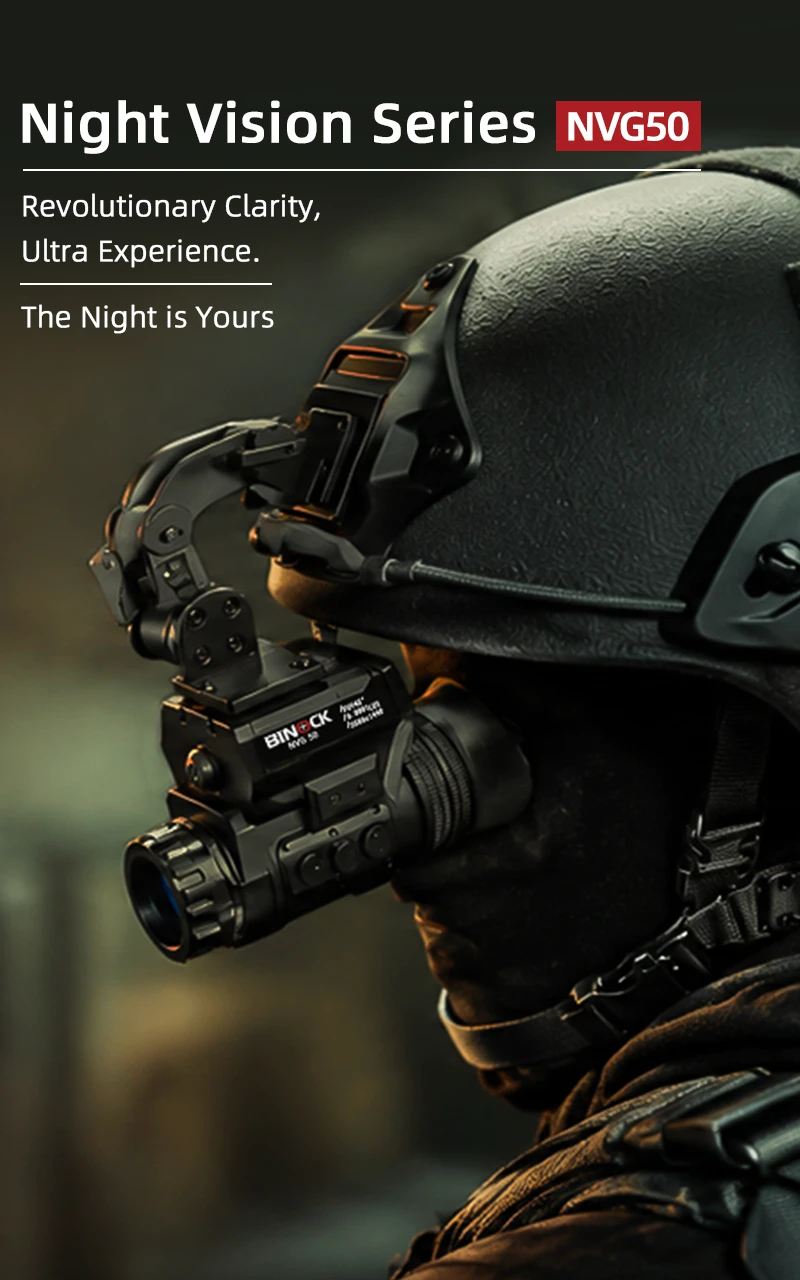
We BINOCK aren't an industry giant with futuristic automated systems or thousands of employees. We're a robust, mid-sized Chinese manufacturer of night vision monocular binoculars, and we're experts. No fancy gimmicks, just reliable gear trusted by tactical enthusiasts and outdoor professionals.
Join us on a tour—from our sophisticated engineering labs to final shipments from our warehouse—and see firsthand how we operate.
The Engineering Team: Small, but Seasoned
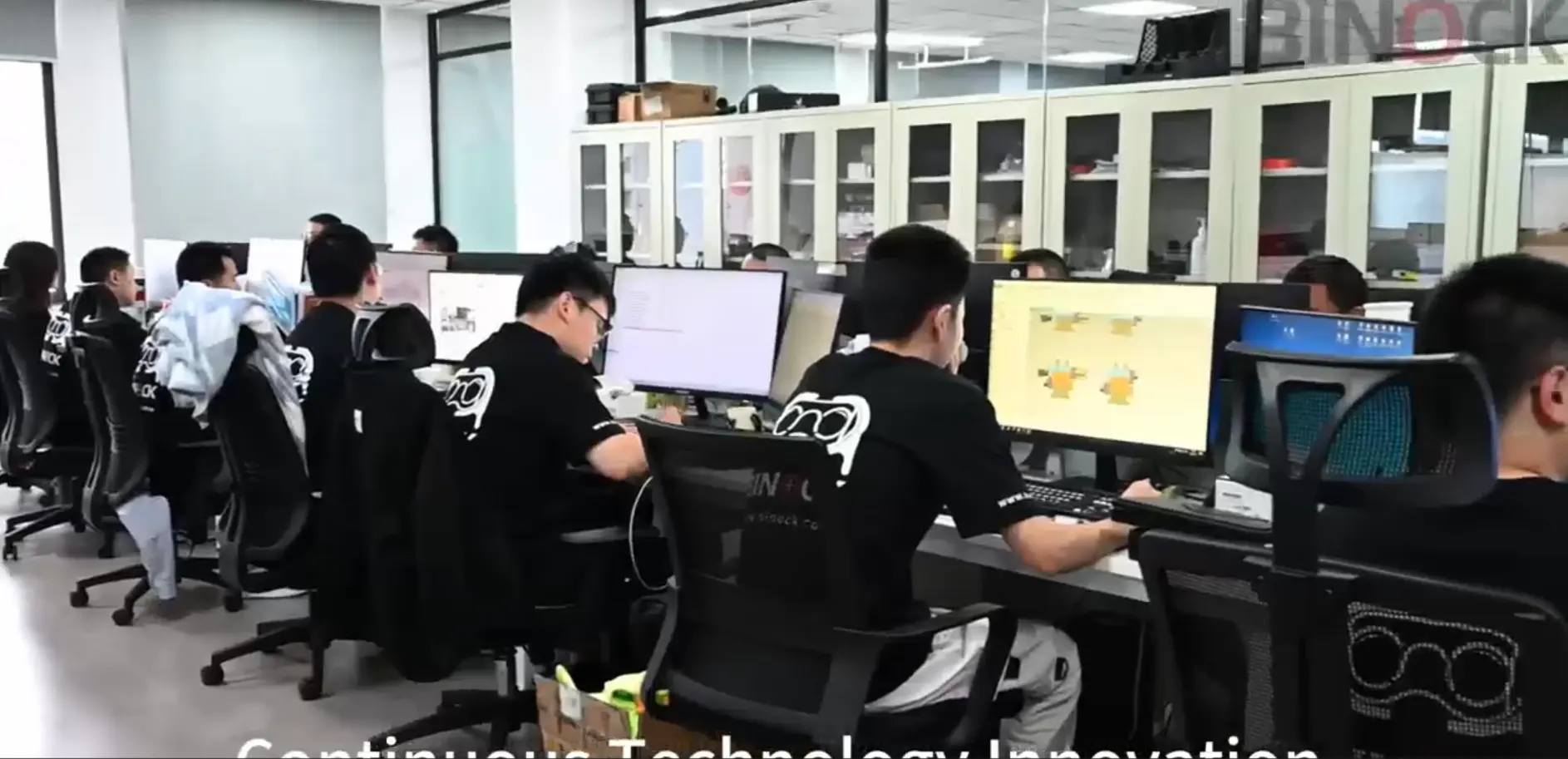
Our engineering department is tiny. Like, maybe a dozen core R&D guys tiny.
Sound underwhelming? Maybe. But here's the thing: the youngest guy on that team has been in the night vision industry for over seven years. Our lead engineer, a guy we all call Mr. Wang, used to work at a military research institute for about fifteen years before our boss convinced him to join us. The guy doesn't talk much, but when he says something about optics or sensor tuning, everyone listens.
We specialize in digital night vision scope technology—CMOS sensors, internal screens, image processing algorithms. It's not the old-school analog tube stuff. The upside is we can keep costs reasonable, add features like video recording, and not worry about bright light destroying the device. The downside? If your algorithm is sloppy, the image looks like static-filled garbage.
We spent the better part of a year just dialing in our image processing for our consumer favorites—the NVG30 and NVG50. These are probably our most popular products in the consumer night vision space. They hit the sweet spot between price and performance, and we've sold thousands of them.
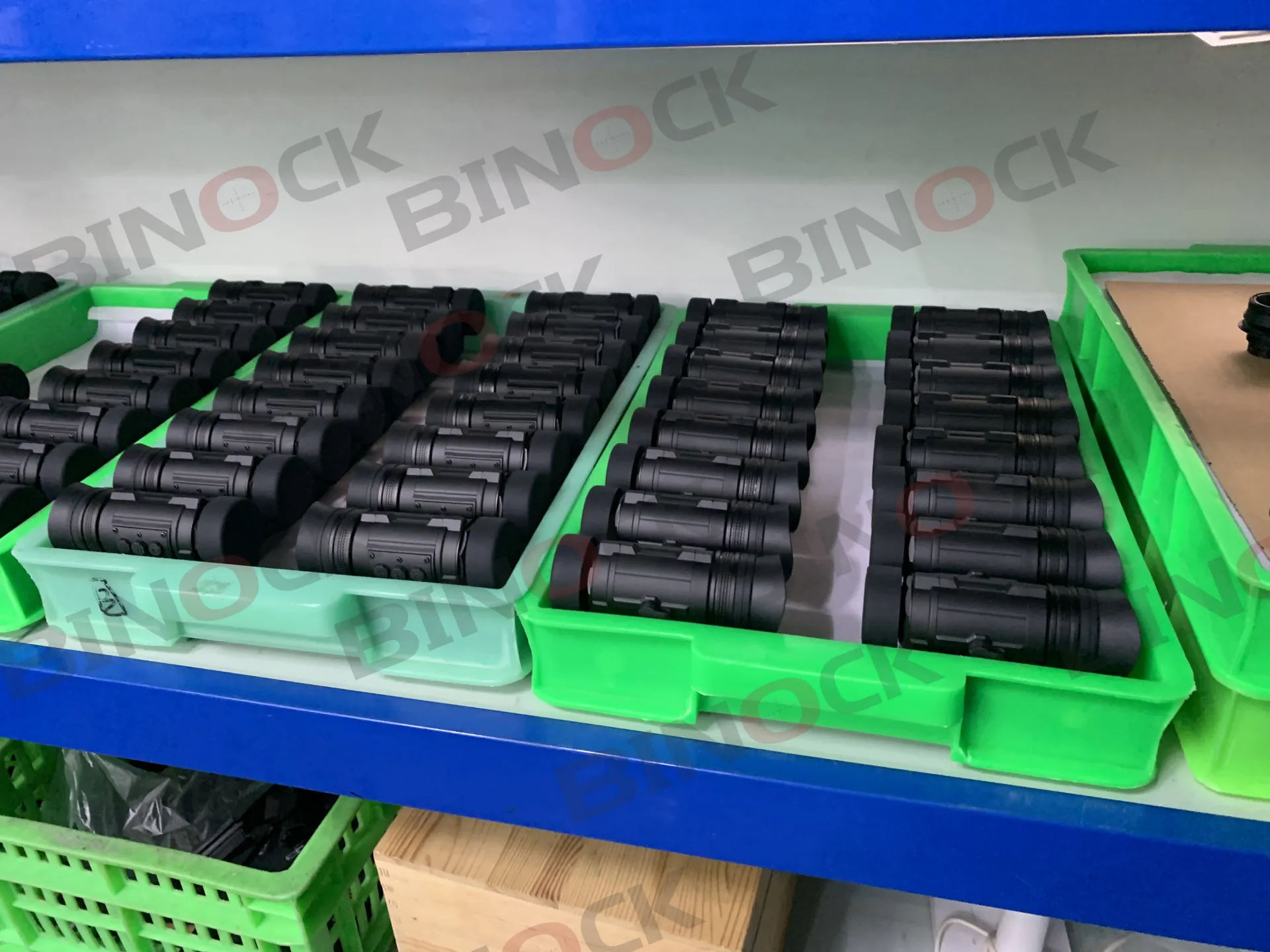
But the one we're really proud of is the NVG90. This thing is a different beast. We put serious engineering effort into it—50Hz/100Hz FPS and a full 1-inch sensor. That's basically starlight conditions, and the NVG90 still gives you a usable image.
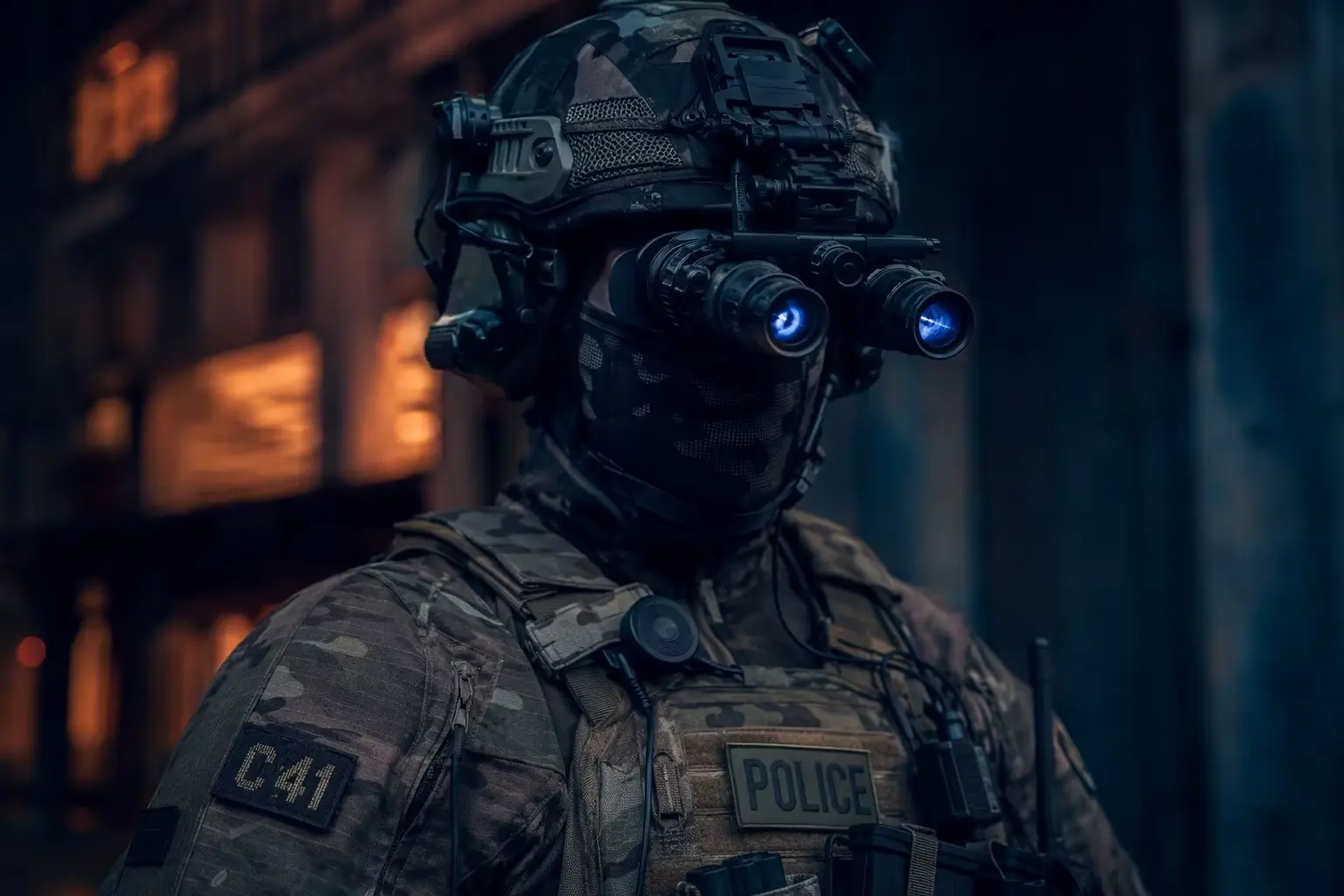
Our Night Vision Goggles are designed for demanding scenarios: tactical simulation, professional patrols, border monitoring, emergency search and rescue . They are the devices those law enforcement professionals and serious tactical operators actually rely on.
End result? Our best night vision binoculars and monoculars stack up pretty well against competitors in the same price bracket. Not class-leading, maybe. But solid. Reliable. No nasty surprises when you turn it on.
Digital Night Vision Assembly Floor: Disciplined
Walk from the office into the production area, and you might be a little let down.
No robotic arms. No conveyor belts whizzing everywhere. Mostly, it's just people sitting at workbenches, assembling night vision cameras by hand—screwing housings together, soldering wires, applying adhesive, attaching lenses. Low-tech. Old-school. Maybe even a bit boring.
But we have one rule that we actually enforce: self-check after every step, and cross-check by the next person.
Let me give you an example. The person mounting the lens checks it against a light source to make sure there's no dust or scratch. Then the person attaching the housing does a second check before they close it up. Sounds simple, right? But in a lot of factories, that second check never happens. Too much pressure to hit production targets. "It'll probably be fine."
We don't skip it. Not because we're morally superior—but because returns and repairs are expensive. Catching a problem on the line costs five minutes. Catching it after it ships costs shipping fees, customer service time, lost goodwill, and a damaged reputation. The math is pretty straightforward.
Also worth mentioning: the testing equipment on our floor—collimators, signal generators, thermal chambers—actually gets used. Every unit goes through a functional test before it's packed. Not just "does it turn on," but "is the image uniform, is the focus accurate, is the noise level acceptable." If a unit fails, it goes back to the line for rework. No exceptions.
The Night Vision Lens Workshop: This One I'm Proud Of
Okay, here's something I actually feel good about—we grind our own lenses.
I know, it doesn't sound glamorous. But in the China night vision factory world, most manufacturers don't bother. They buy pre-made lens assemblies from suppliers. Cheaper, faster, less headache.
We do it ourselves because lens quality is the difference between an image that's sharp edge-to-edge and an image that's soft and blurry on the sides. Cheap lenses also flare badly in backlit conditions, and when you're using them at night with limited light, that's a serious problem.
Are our lenses the best in the industry? No. We don't have Zeiss-level budgets. But they're consistently good, batch after batch, and we don't have to worry about a supplier suddenly changing their specs or running out of stock.
This is also why some overseas distributors choose to work with us. They know that a Night vision manufactuer willing to grind its own lenses probably isn't cutting corners on other important components either.
The Warehouse: Boring, But Done Right
Warehouse tour. The least sexy part of any factory visit, but honestly, this is where a lot of companies drop the ball.
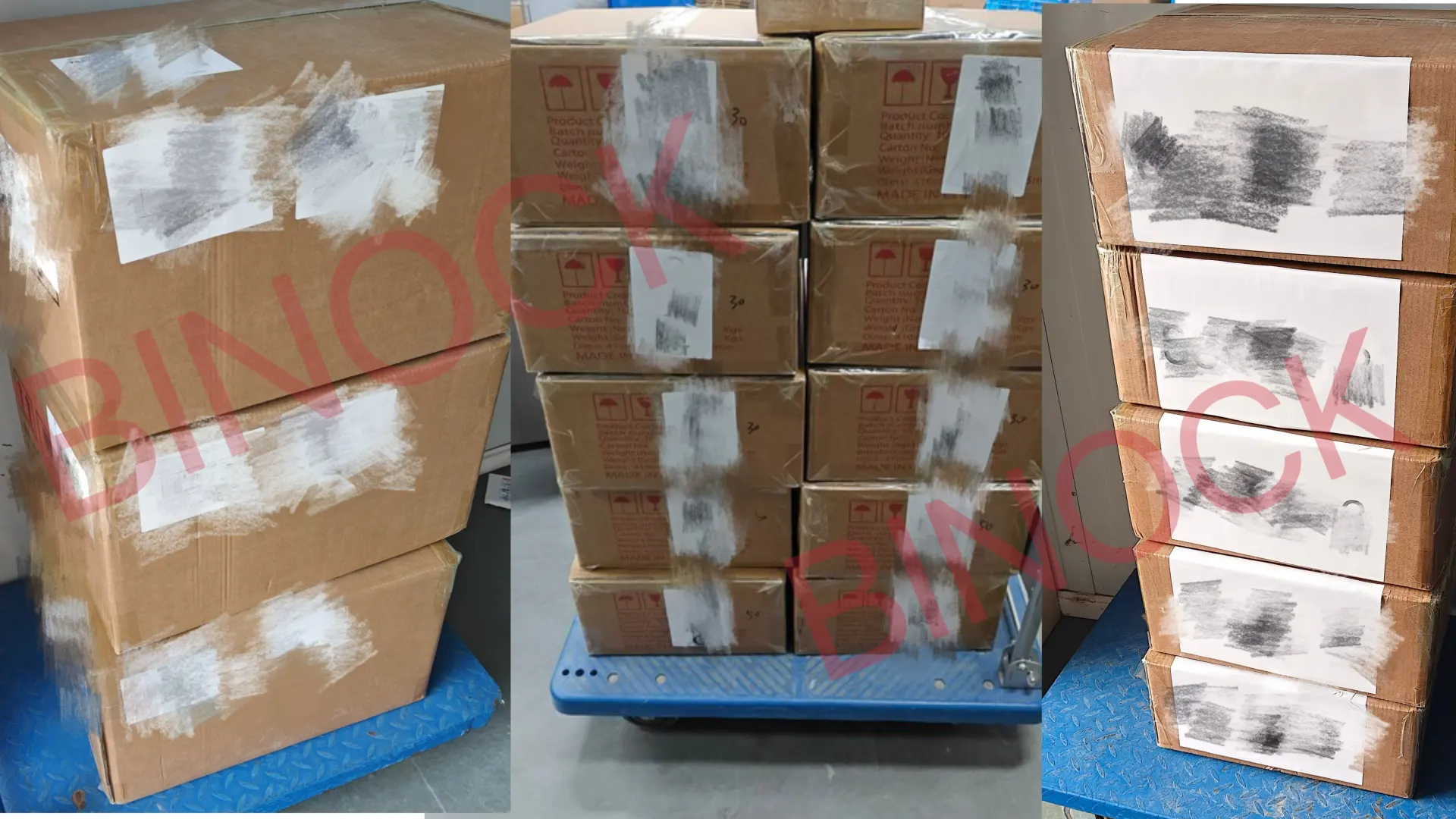
Our warehouse isn't huge—one floor, a few thousand pallet positions. Nothing fancy. No AI-powered robots zipping around picking orders. Just a straightforward inventory system and a team that actually follows the rules.
Everything is zoned clearly: finished goods, semi-finished, raw materials, accessories, quality-hold area. Each zone has a designated person responsible for keeping it organized. When an order comes in, the picker grabs the items, brings them to the packing station, and then someone else—not the same person—double-checks the model numbers and quantities before sealing the box.
It's simple, but it works. Our inventory accuracy is over 99%, which I know because I've seen the audit reports. That means when a distributor orders 200 units of a specific model, we're not accidentally shipping 180 or sending the wrong version.
We have night vision goggles for sale going out to over forty countries from this warehouse—North America, Europe, Australia, the Middle East, Southeast Asia. Monthly volume isn't massive—maybe a few thousand units—but shipping errors are rare. Packaging damage is rare. Customs delays are minimized because our documentation team knows what they're doing.
Not a flashy success story. But if you're a customer waiting for your order, "boring but reliable" is exactly what you want.
What It Really Means to Be a Mid-Tier China Factory
I know some people have a certain image of Chinese manufacturing—cheap labor, inconsistent quality, impossible to reach after you pay.
I'm not going to pretend those factories don't exist. They do, and they give the rest of us a bad name.
But we're not that.
We're not the cheapest. We've never tried to win on price alone. Our strategy is simpler: make a decent product, price it fairly, support it properly, and let customers decide if we're worth keeping around. Over the last few years, our repeat order rate has gone up steadily. Word-of-mouth referrals are increasing. That tells me we're doing something right, even if we're not making headlines.
One thing I always tell new hires: we're not selling gadgets. We're selling tools that people rely on at night, sometimes in serious situations. Hunters. Security contractors. Farmers checking livestock. Search-and-rescue teams. Tactical operators and law enforcement professionals who need to do their jobs safely. When our gear fails, it's not just an inconvenience—it could be a problem.
That's not meant to sound dramatic. It's just the reality of what we do, and it keeps us from taking shortcuts.
Come See for Yourself
I've walked you through the engineering lab, the assembly floor, the lens workshop, and the warehouse. I've told you about the NVG30, NVG50, and NVG90. I've shown you the good, the boring, and the maybe-not-so-impressive.
Look, we're not the biggest Night vision manufactuer out there. We don't have the fanciest facility or the most jaw-dropping tech. But we're honest about what we are, we stand behind what we make, and we don't cut corners on the things that actually matter.
If you're a serious buyer—a distributor, a retailer, an institutional customer—you're welcome to visit. Walk the floor yourself. Talk to the engineers. See how we work. It's a much better way to judge a China night vision factory than reading any blog post, including this one.
Drop us a line if you're interested. We're always happy to show people around.
Share on Social:


