


Chose a Right Night Vision Goggle for Security Pastrol

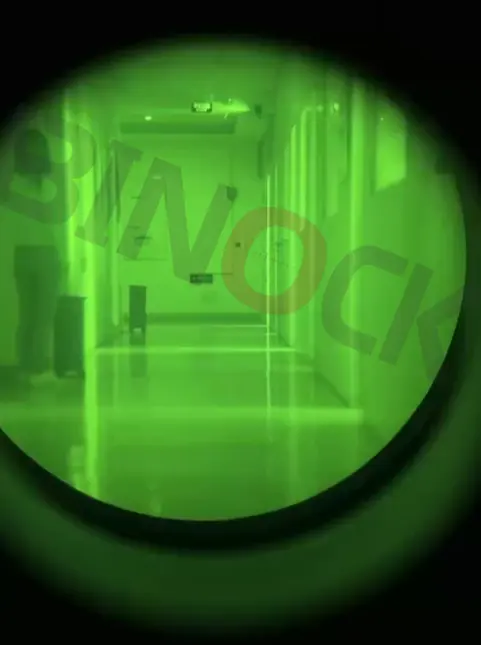
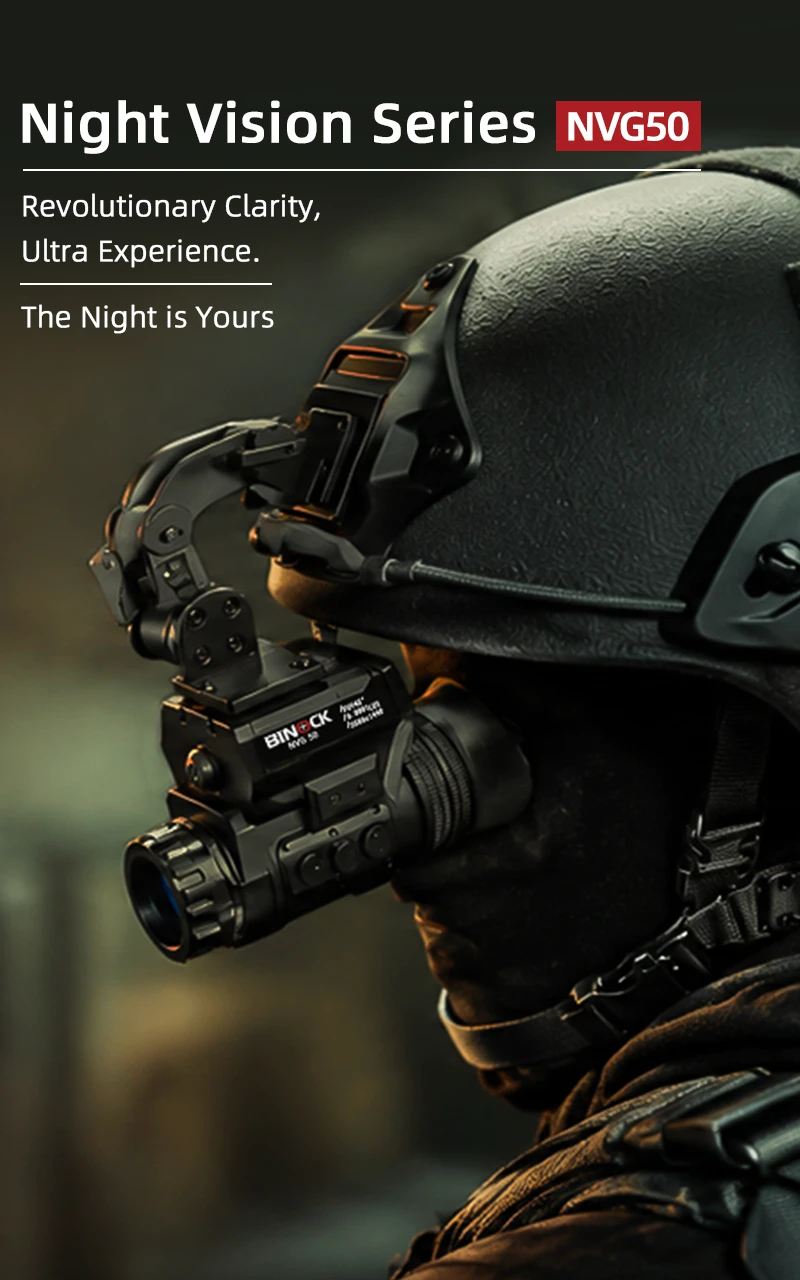
When I first did the night job at an expansive industrial site. The area was riddled with blind spots, and the perimeter fence seemed to vanish into a void of ink-black darkness. All I had was a standard-issue flashlight, which, as I quickly learned, was more of a "shoot me" sign than a security tool. When we click that light on, we just tell every intruder exactly where we are, while effectively blinding ourselves to everything outside that narrow beam.
That was the night I realized that in security, if you can’t see, you don’t exist. Or worse, you’re a target.
Security Patrol with Night Vision Goggles
Over the years, I’ve moved from basic torches to some of the most advanced tech in the industry. Choosing the right gear isn't just about buying the most expensive gadget on the shelf; it’s about matching the technology to the specific demands of our patrol route. I definitely want to walk you through the world of night vision—from night vision goggles to dedicated surveillance setups, I certainly hope that you don't need to work the hard way like I did
Night Vision Goggles: Head-mounted or handheld units designed for mobility.
Night Vision Scopes: Magnified optics usually intended for observation from a fixed point or mounted on a tool.

Night Vision Cameras: Stationary or handheld digital devices meant for recording and long-term surveillance.
When we’re on the move, situational awareness is our lifeline. This is where night vision goggles come into play. Unlike a handheld device, a good pair of goggles allows us to keep our hands free—critical if we need to climb a ladder, open a gate, or defend yourself.
In my experience, the leap from a handheld monocular to a binocular goggle system is life-changing. Depth perception is the biggest factor here. If we’re navigating a warehouse full of crates or a forest trail with uneven roots, a single-eye view can be disorienting. A dual-tube system gives us the spatial awareness needed to move at a near-normal pace.
The Professional Tier: Military Night Vision Goggles
If our budget allows and our security needs are high-risk (think high-value infrastructure or private estates), we might find ourselves looking at military night vision goggles. These aren't the green-tinted toys we find in a gift shop. We’re talking about Gen 3 Image Intensifier tubes, often featuring White Phosphor (WP) technology.
Military Night Vision Devices Detail
Why go "military grade"? It comes down to "gain" and "resolution." In near-total darkness, these units can amplify available light (stars, moon, or even ambient city glow) thousands of times without the grainy "snow" typical of cheaper units. When lives or millions in assets are on the line, the clarity offered by these high-end tubes is indispensable.
Night Vision Scopes: Precision, Targeting, and the Defensive Edge
There are times when mobility takes a backseat to raw distance and ballistic precision. If our security role involves stationary overwatch, designated marksman duties, or monitoring a perimeter that stretches for hundreds of yards, a night vision scope isn't just a luxury—it’s our primary defensive edge.
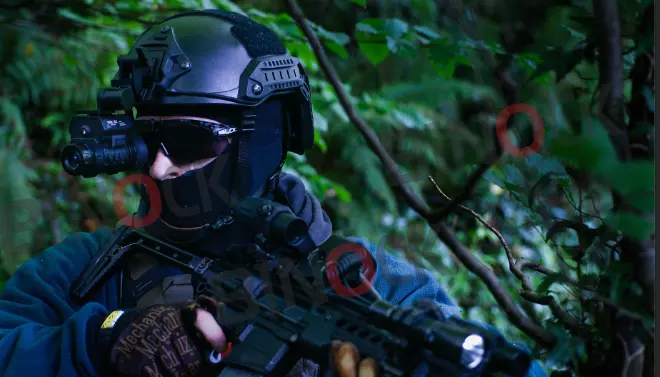
Unlike goggles, which are designed for movement, a night vision scope is built for the platform. Whether it’s a dedicated unit or a "clip-on" system that sits in front of your day optics, a scope’s primary mission is identification and engagement at range. While goggles might show you a heat signature or a shadow moving 200 yards away, a high-magnification scope with a crisp reticle (crosshairs) allows you to determine if that individual is reaching for a cell phone or a weapon.
In my years on high-security perimeters, I’ve found that a scope's ability to "hold zero" under recoil and provide a stable, magnified image is what separates a professional setup from a hobbyist one. Modern digital scopes have taken this a step further, offering multiple reticle styles and onboard ballistic calculators. But the real game-changer? The ability to record the exact moment of an encounter directly to an SD card. In a post-incident review, having the "shooter's eye view" is the most powerful legal evidence you can possess.
How to Choose the Best Night Vision Goggles for Your Needs
If you're looking to purchase your first serious setup, you’ll likely be searching for the best night vision goggles within your budget. Here’s a checklist I use when evaluating gear for my team:
1. Image Intensifier vs. Digital
Image Intensifier (Analog): Offers zero lag and the best light sensitivity. This is what you want for active patrolling.
Digital: Cheaper and can record video, but often suffers from "screen lag" and requires more IR light to see in deep shadows.
2. Field of View (FOV)
Most NVGs have a 40-degree FOV. Some high-end panoramic models go up to 97 degrees, but they are incredibly expensive. Stick to a solid 40-degree unit but ensure the edges of the image are sharp, not blurry.
3. Autogating
This is a feature found in higher-end units that protects the tube from sudden bright lights (like a car’s headlights). If your patrol area has occasional bright spots, autogating is a non-negotiable safety feature for your eyes and your equipment.
4. Weight and Comfort
You might be wearing these for a 12-hour shift. Every ounce matters. Look for lightweight composites and a high-quality "bump helmet" or head harness to distribute the weight.
Field Tips from a Pro
Having the gear is only half the battle. Using it effectively is an art.
Manage Your IR: Most night vision goggles come with a built-in IR illuminator. Use it sparingly. While it helps you see, it also acts as a beacon for anyone else using night vision. If you’re trying to remain stealthy, keep the IR off unless absolutely necessary.
Eye Fatigue is Real: Using night vision for hours on end can cause "depth perception lag" once you take the goggles off. I always suggest a 5-minute "natural light" break every hour to let your brain recalibrate.
Lens Care: These are precision optics. Never touch the glass with your fingers. Use a dedicated lens pen and always keep the caps on when not in use. A single scratch can create a permanent "black spot" in your field of view.
Final Thoughts: Investing in Your Safety
At the end of the day, a night vision device is an investment in your safety and the security of the property you're protecting. Whether you opt for a high-tech night vision camera system for the perimeter or a pair of the best night vision goggles for your personal kit, the goal remains the same: eliminating the advantage of the dark.
In the world of security, the person who sees first wins. Don't let the darkness be your enemy—make it your greatest ally.
Share on Social:


