


Can Night Vision Work in Complete Darkness?

I still remember the first time I stepped into a limestone cave in the heart of the Sichuan mountains. I turned off my headlamp, and for the first time in my life, I understood what "complete darkness" actually meant. It wasn’t just dark; it was a physical weight. You couldn't see your hand two inches from your face.
In that moment, a question I get asked every week at Binock flashed through my mind: "Can night vision actually work here?"
As someone who spends my days designing, testing, and manufacturing optical equipment, I realized that most people have a fundamental misunderstanding of how the night is "illuminated." Whether you are a hunter, a security professional, or just someone looking for a night vision google to explore the woods, you deserve to know the truth about what happens when the photons disappear.
In this guide, I’m going to walk you through the science, the gear, and the reality of seeing in total darkness.
The Big Myth: "Night Vision Needs Light to See"
If you’ve spent any time on a night vision google search, you’ve probably seen the term "Ambient Light." Traditional night vision—the kind you see in old war movies with the glowing green tubes—is technically known as Image Intensification
Here is how I explain it to our B2B partners: Think of these devices as high-speed funnels for light. They take the tiny, invisible amounts of light from the stars or a distant moon, hit a photocathode plate, turn those photons into electrons, multiply them by the millions, and throw them against a phosphor screen.
But here is the kicker: If there are zero photons (like in that cave), there is nothing to multiply. In absolute, 100% darkness, a traditional military night vision device without an auxiliary light source is just a very expensive, heavy blindfold.
So, how do we solve this? How do we make sure our users aren't left in the dark?
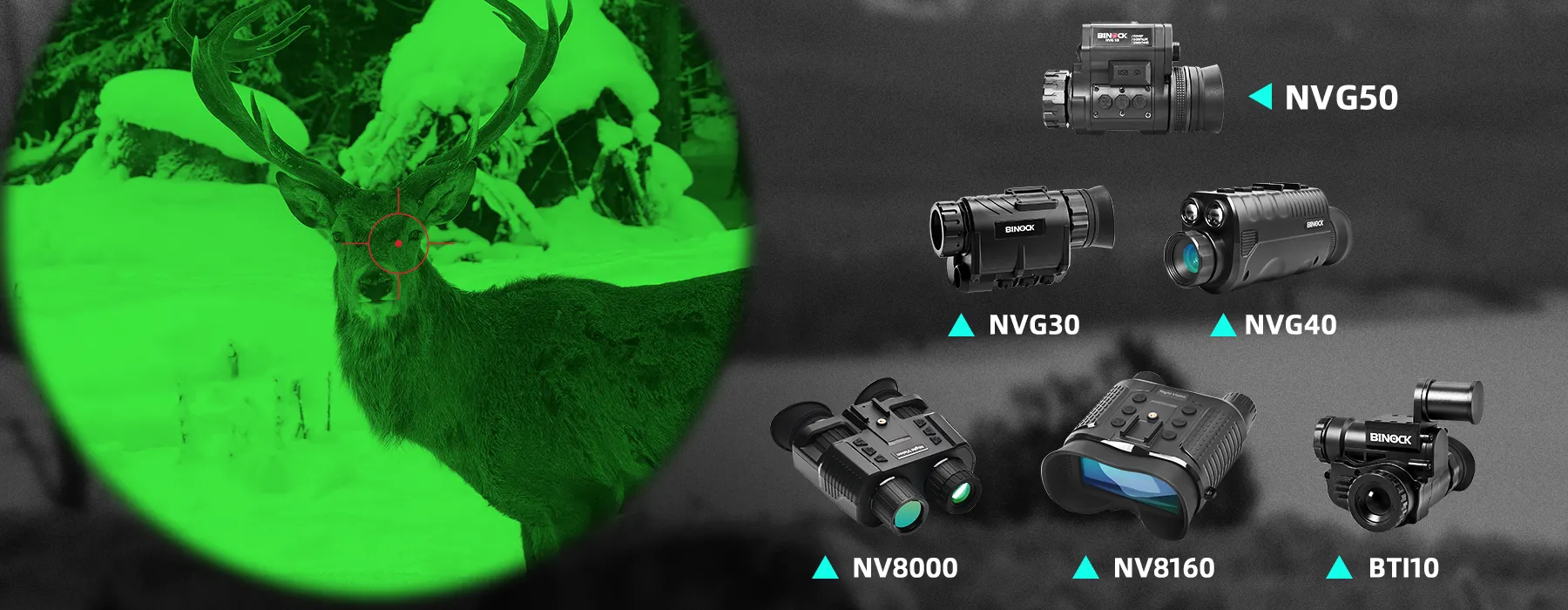
The Digital Revolution: The Secret of the IR Illuminator
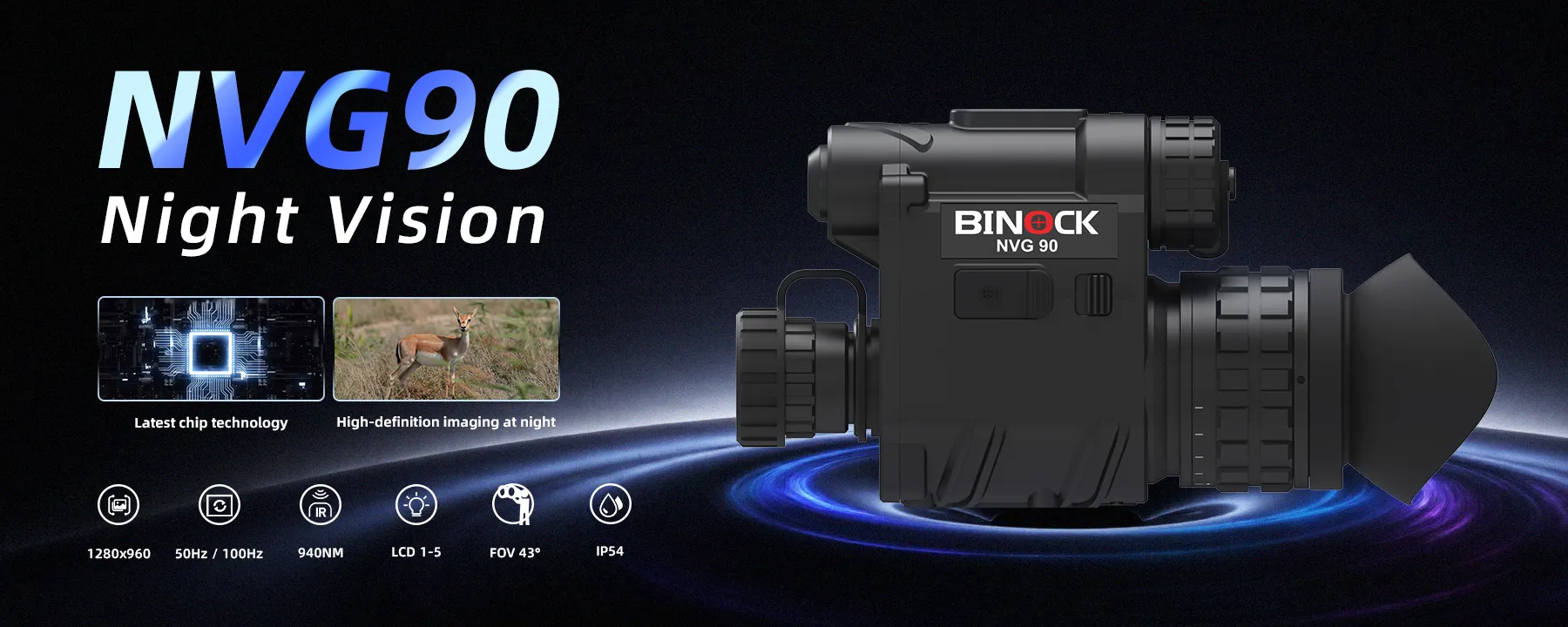
This brings us to one of the most popular categories in our factory: digital night vision. Unlike the tube-based technology mentioned above, digital devices work much like the night vision camera on your smartphone, but with a much more sensitive CMOS sensor.
When you use a digital device, you aren't just relying on ambient light. You are carrying your own light source—you just can't see it with your naked eye. This is the Infrared (IR) Illuminator.
How I See the "Invisible Flashlight"
When I’m testing a night vision goggle in a windowless warehouse, I turn on the IR. To my eyes, the room is still pitch black. But through the digital screen, it looks like a spotlight has been turned on. The device emits IR light (usually at 850nm or 940nm), which bounces off objects and returns to the sensor.
Does it work in complete darkness? Yes, absolutely. Because the device is providing its own light. For the average user looking for a night vision camera for wildlife observation or home security, digital is the way to go because it is robust, allows for video recording, and handles total darkness with ease.
Choosing Your Gear: Night Vision Goggles, Thermal Night vision, and "Google" Searches
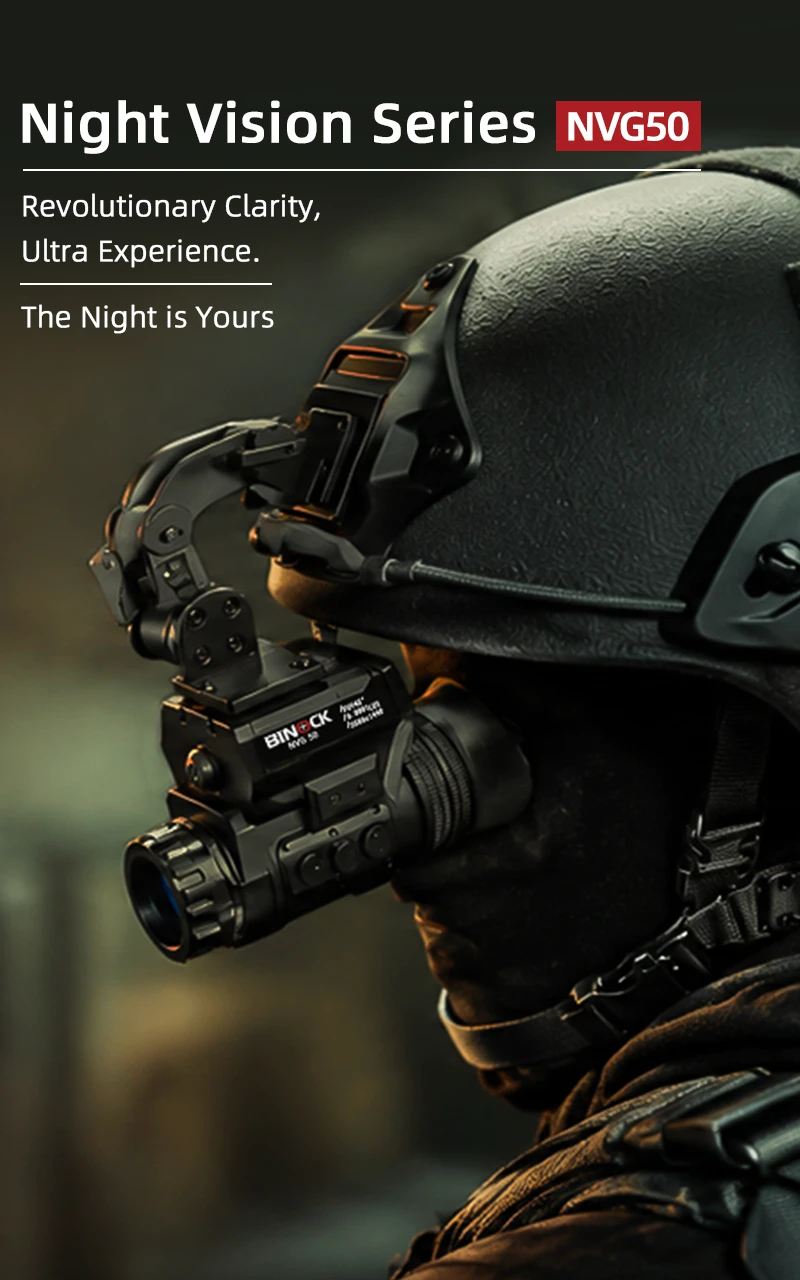
When people search for a night vision google, they are often looking for the hands-free experience of a head-mounted system. At Binock, we take this seriously. Our Night Vision Camera was designed specifically for users who need to move, drive, or operate in the dark without using their hands.
The "Google" vs. Goggle Confusion
It’s a funny quirk of the industry, but many first-time buyers type "night vision google" into their search bars. While we know they mean "goggles," it highlights a real need: people want a window into the dark that feels natural.
If you are looking at competitors like Nightfox or WildGamePlus, you’ll see a lot of "binocular" styles. These are great for stationary observation (like watching a bird feeder or a bait pile). However, as a manufacturer, I always advise: if you need to walk, you need a goggle.
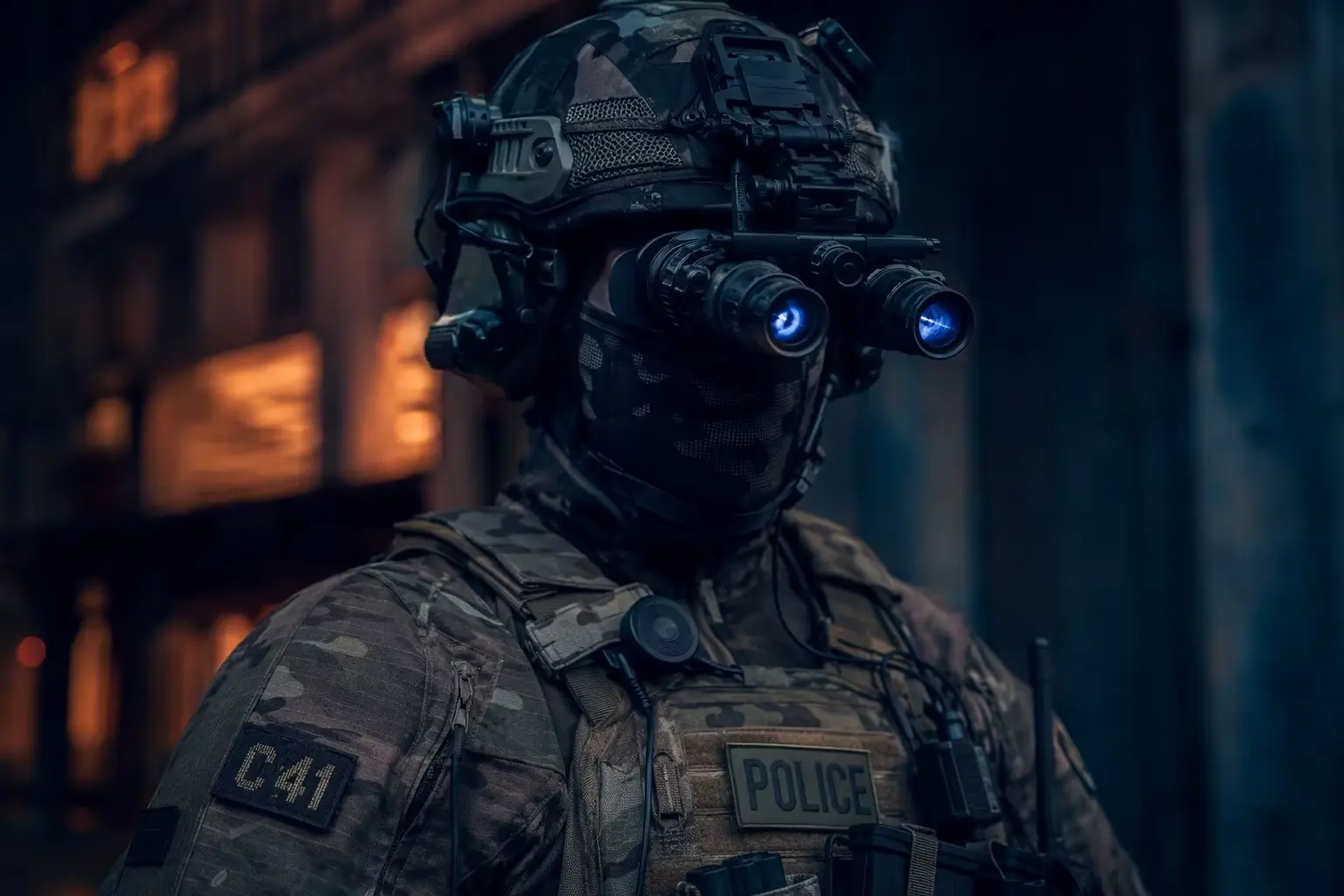
A true military night vision device is often a monocular or a dual-goggle system with 1x magnification. Why? Because if you have 3x magnification strapped to your face while walking through the woods, you’re going to trip over the first root you find. Our Binock units offer 1x optical magnification for a reason—it preserves your depth perception.
Night Vision vs. Thermal Imaging: The Absolute Darkness King
Now, if you want to talk about true performance in complete darkness without using an IR illuminator (which can be seen by others with night vision), we have to talk about Thermal Imaging.
At Binock, we don't just make light intensifiers; we make heat detectors. Thermal imaging doesn't care about photons. It cares about heat signatures.
Why Thermal Wins in the Deep Dark
Every object with a temperature above absolute zero emits infrared radiation. While a digital nightvision device needs an IR "flashlight" to see a rabbit in a cave, a thermal scope sees the rabbit because the rabbit is 100 degrees Fahrenheit and the cave wall is 50 degrees.
If you are a professional looking for a military night vision device level of performance, you might actually be looking for a thermal-night vision fusion system. This is the "gold standard" of modern tactical gear.
Solving the User Knowledge Gap: 5 Things You Need to Know
I’ve read the reviews on some other night vision goggles manufacturers, and I’ve talked to thousands of customers. Most "bad" experiences with night vision come from not knowing these five points:
Resolution vs. Detection: A night vision camera might say "1080p," but that’s the recording resolution, not the sensor’s ability to see in the dark. Look for the sensor sensitivity.
The "Red Glow" Problem: Most IR illuminators (850nm) emit a faint red glow. If you are trying to be 100% stealthy, you need a 940nm illuminator, though it has a shorter range.
Digital Zoom vs. Optical Zoom: Never trust digital zoom alone. It just makes the pixels bigger and the image blurrier. At Binock, we focus on high-quality glass lenses first.
Battery Life in the Cold: Night vision and thermal gear are battery hogs. If you're out in the winter, always carry spares. Our designs prioritize power efficiency, but physics is physics.
Light Damage: While digital night vision is generally safe in daylight, a high-end analog military night vision device can be permanently damaged if turned on in a bright room. Always check your tech type.
Behind the Scenes at the Binock Factory
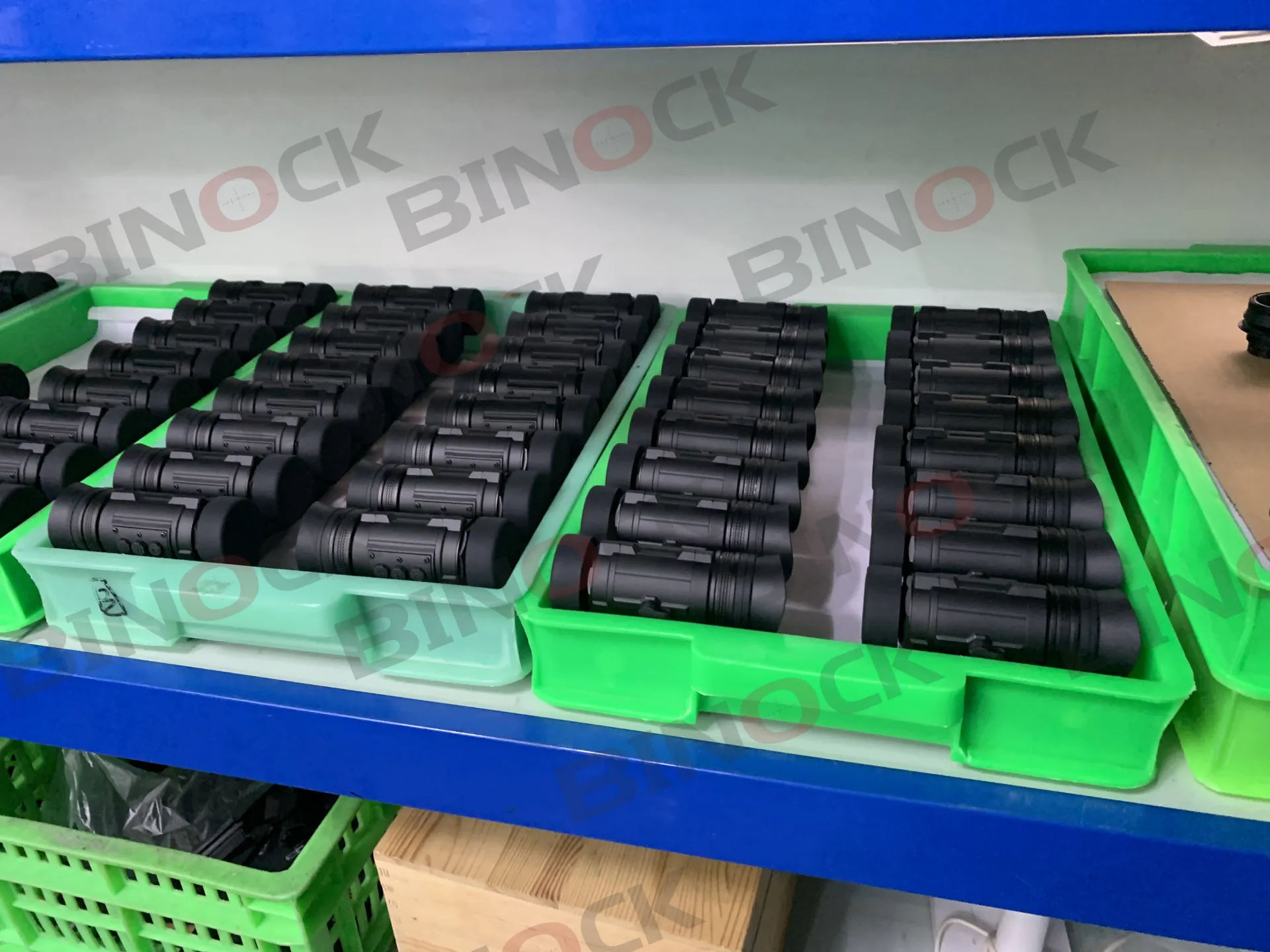
When we build a piece of equipment, we aren't just putting components in a box. We are engineers of the night. Our factory covers 6,000 square meters, where we meticulously align lenses in cleanrooms. Why? Because a single speck of dust on a night vision camera sensor looks like a boulder when you're looking through the eyepiece at 2 AM.
We’ve seen the market change. Ten years ago, night vision was only for the elite. Today, because of innovations in digital night vision, anyone can have high-quality gear. We export over 20,000 units annually because we’ve bridged the gap between military-grade durability and consumer-friendly pricing.
Conclusion: So, Does it Work?
To answer the original question: Yes, night vision can work in complete darkness, provided you have the right technology.
If you have Digital Night Vision, it works because of the IR Illuminator.
If you have Thermal Imaging, it works because it sees heat, not light.
If you have Analog Night Vision, it works only if there is a tiny bit of light, or if you add an external IR source.
As someone who lives and breathes this technology, my goal is to make sure that when you step into that "physical weight" of darkness, you don't feel blind. You feel empowered. Whether you are using a Binock, a Nightfox, or a WildGamePlus, understanding the how is the first step to owning the night.
If you’re ready to see what you’ve been missing, start by looking for a high-quality night vision google or a dedicated night vision camera. The night is a beautiful place—you just need the right eyes to see it.
Stay sharp, stay safe, and I’ll see you in the dark.
Share on Social:


