


What Should You Test When Evaluating a Night Vision Sample?
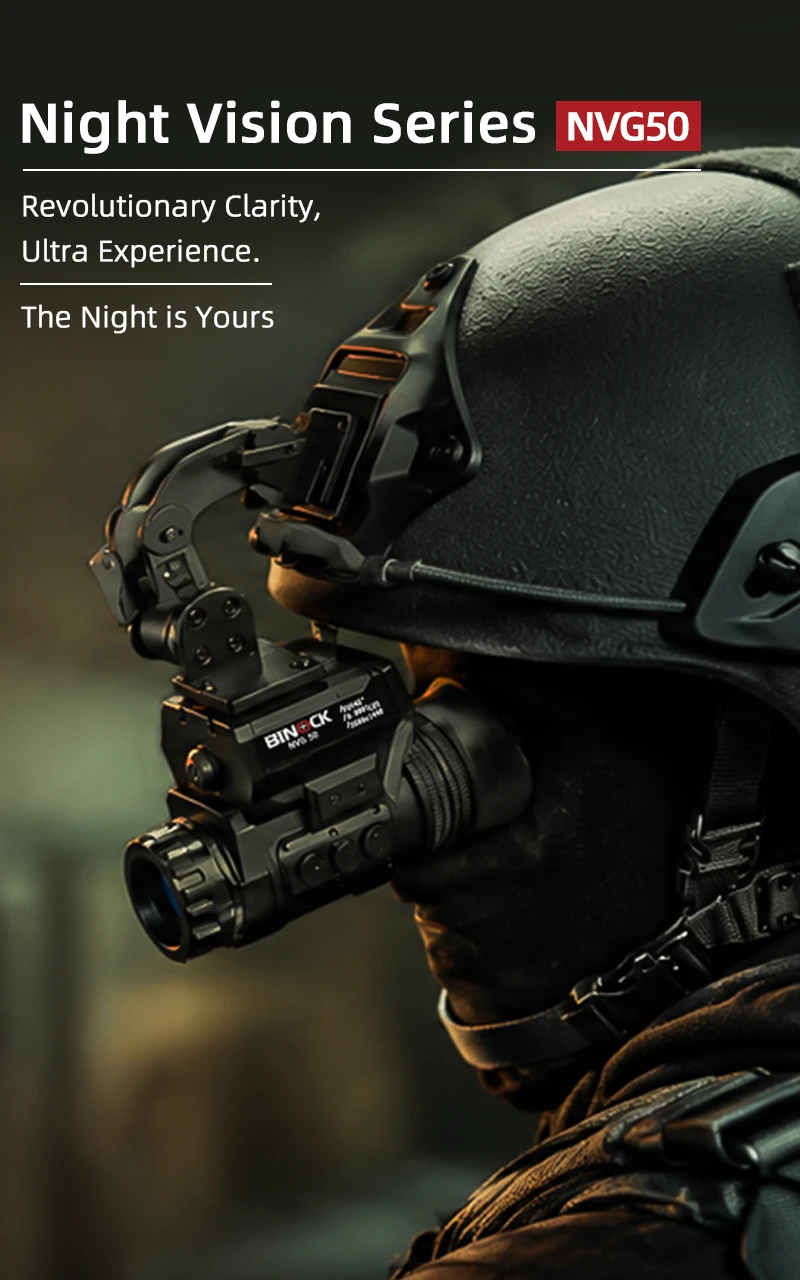

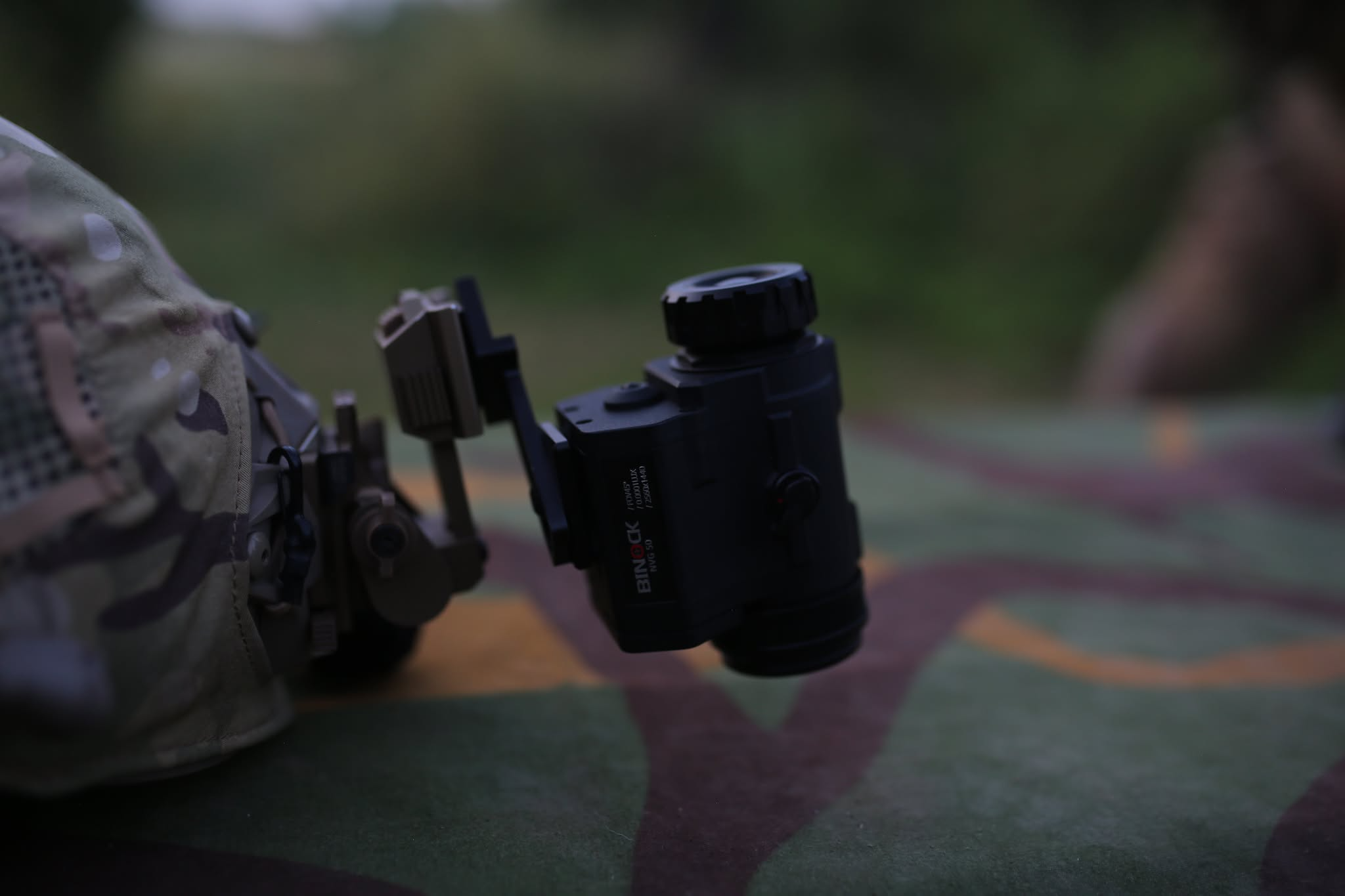
Let's say you've ordered a night vision sample. It finally arrives, you unpack it, turn it on, and point it out the window. The screen lights up. You can see the trees outside. The buttons work.
First thought: Okay, looks good.
Would I place a bulk order based on that first impression alone? Probably not.
It's not that something must be wrong with the device. It's simply that a five-minute test can only tell you so much. If I'm looking at a product for a potential order, I'd want to know how it performs in different conditions, whether the features I care about actually work, and what I still need to confirm with the supplier.
That's especially true for digital night vision devices. There may be IR illumination, adjustable magnification, photo and video recording, different display settings, and more. You don't need to test every feature like a lab technician, but you do need to know what you're buying.
Here's how I'd approach it.
First, Check What Actually Arrived
I know, checking the accessories isn't the exciting part. Most of us want to turn the device on and see what it can do.
Still, I'd start with the basics. Is this the model I ordered? Are the accessories included? Does the configuration match what the supplier and I discussed?
I'd give the body a quick look, too. Check the lens for visible scratches, make sure the buttons respond, and look over the ports, screen, and housing. Nothing complicated — just the sort of things you'd rather notice before spending an evening testing the device.
For an OEM or ODM order, I'd pay attention to a few extra details. Is the logo in the right place? Does the print look like the approved artwork? Are the product color, packaging, and manual correct?
A sample might perform perfectly and still not be the right sample for your project. If the customization is wrong, that's something to sort out before production, not after.

Take It Outside. Then Try Somewhere Darker.
This is where things get more interesting.
I'd start somewhere with a little ambient light, perhaps outdoors at dusk. Look at the image, adjust the focus, and see whether objects are easy to make out. Then try again in a darker environment.
If the device has an IR illuminator, switch it on and off. Compare the two images. Does the extra illumination help? What happens when you look at something farther away?
Don't expect every scene to look equally good. The available light, target distance, IR capability, and surroundings all make a difference. A nearby object might look clear while something farther away is much harder to distinguish.
I'd also avoid testing just one target. Look at a few objects at different distances. Trees, fences, and other objects with visible outlines can be useful for a basic comparison.
One thing I always want to keep separate when discussing night vision is seeing something and identifying it. Spotting a shape in the distance is one thing; figuring out what that shape actually is takes more detail.
This matters when you're comparing products that advertise long viewing distances. Before deciding whether a device meets your expectations, think about what you want to see at that distance. Simply noticing that something is there may not be enough.
You don't need a complicated testing setup for this first check. Just try to keep the conditions reasonably similar when comparing devices, and make a note of the distance, lighting, and settings. Otherwise, it's surprisingly easy to come away thinking one sample is better when you were actually testing it under easier conditions.
Not Sure What to Look For? Watch Some Real Tests.
If you're new to night vision, you might not know what a useful test even looks like. That's fine. You don't have to figure everything out from scratch.
I'd spend some time watching real-world reviews before making a decision. BINOCK's NVG50 has been tested by creators who share their experiences on social media. Their videos can help you see how the device is used and what its footage looks like in different situations.
My advice? Don't just skip to the part where someone says whether they like it. Watch the footage.
One creator might be interested in image quality, another might focus on IR performance, and someone else might care more about how easy the device is to operate. I find that comparing different perspectives is a more useful way to learn about a product than relying on one person's verdict.
Of course, a video can't tell you everything. The camera used to record the footage, video compression, and testing conditions can all affect what you see. Still, reviews can give you ideas about what to try when your own sample arrives.
And if you've already got the device in your hands, why not try it yourself? You might notice something the reviewer didn't mention, simply because your needs are different
The Specs Are Interesting. But What Do They Mean in Practice?
I wouldn't ignore the specification sheet. I'd just be careful about treating every number as a complete answer.
Take magnification. A higher figure sounds impressive, but it doesn't automatically mean a better viewing experience. As magnification increases, the field of view may become narrower, and hand movement can make it harder to keep the image steady.
Try looking at the same target at different settings. Can you still see the details you need? Is the narrower view a problem for the way you plan to use the device? Those observations may tell you more than the maximum magnification figure alone.
Detection range deserves a closer look, too.
When a product lists a detection distance, I'd want to know how that number was obtained. What size was the target? What were the lighting conditions? Did the test measure whether an object could be spotted, or whether it could actually be identified?
Those aren't minor details. A distance figure without its testing conditions can be difficult to interpret, and a quick walk outside won't necessarily confirm it.
If a particular range is important to your customers, ask the supplier for the test method and supporting information. Then decide whether the stated performance matches the requirements of your project.
Battery life is another good example. Turning on a device and using it for ten minutes won't tell you whether it can run for the advertised number of hours. If runtime is a key selling point, you'll need to test it for longer under reasonably consistent conditions.
I'm not suggesting that every buyer needs to run a formal technical evaluation. Some things are easy to check through normal use; others need controlled conditions and a clear testing standard. Knowing the difference helps you avoid making claims that your test hasn't actually confirmed.
Give the Other Features a Proper Try
A device can look fine on the screen and still have features you haven't really checked.
If it supports recording, I'd shoot a short video, play it back, and make sure the file has been saved properly. If it uses a memory card, check that the card is recognized and the files can be accessed. If there are other features included in the configuration, try the ones that matter to your intended customers.
I would also spend a little time using the buttons and menus in a dark environment. Can you switch modes without fumbling around? Is adjusting the magnification straightforward? Can you turn on the IR illuminator without having to search through several menus?
These things may sound small, but imagine using the device outdoors at night. A feature that looks great in the product description isn't much help if it's awkward to operate when you need it.
And don't forget the battery. Check the charging process and battery indicator, then record the runtime if you've tested it. A short trial can reveal obvious issues, but it won't prove long-term reliability or durability.
I wouldn't try to force every possible test into one evening, either. If the device has several functions, work through them over time and write down what you've actually checked. It's better to have five useful observations than a long checklist full of boxes you've ticked without really testing anything.
One Good Sample Doesn't Tell the Whole Story
Now let's say the device passes your checks. The image looks good, the features work, and you're happy with the sample.
If you're buying one unit for yourself, you might be ready to make a decision. For a bulk order, I'd take one more step before signing off.
I'd want the final production version to match the sample I've approved. That means confirming the model, configuration, included accessories, and any other details that could affect the product's performance. If something changes after approval, it's worth checking whether the change affects anything you've already tested.
For a customized order, I'd keep the approved logo artwork, product color, packaging, and manual on record. It's much easier to settle those details before production than to work out which version was agreed upon after the goods are finished.
I'd also discuss quality requirements with the supplier. Which functions must work? What counts as an unacceptable cosmetic defect? How will important performance requirements be checked?
If the order is large or the customization is extensive, a pre-production sample and an agreed inspection plan may make sense. The right approach depends on the product and the order, so it's worth discussing this early rather than assuming everyone has the same expectations.
When comparing several suppliers, I like the idea of keeping a simple record for each sample: what was tested, what worked, what didn't, and what questions still need answers. It doesn't have to be a fancy report. Even a few clear notes can save you from relying on memory when it's time to choose.
After all, you're not just choosing the device sitting on your desk. You're deciding what product you want to offer your customers and what you expect your supplier to deliver.
At BINOCK, We'd Rather You See for Yourself
There's one more thing I want to mention about product reviews.
BINOCK has invited creators to test the NVG50 and share their experiences on social media. Different creators have different habits, testing environments, and things they care about. We welcome honest feedback rather than expecting everyone to come away with exactly the same opinion.
So, if you're considering the NVG50, go ahead and watch a few reviews. Compare the footage. Listen to what different people say. You don't have to agree with every reviewer, and you certainly don't have to make a decision based on a single video.
And if you're someone who likes to try things firsthand, even better. Get a sample, take it outside, test the features you're interested in, and see how it performs in your own conditions.
We believe an honest review is more useful than a perfect-sounding compliment. A product should be able to speak for itself, and buyers should have room to make up their own minds.
So yes, look at the specifications. Ask questions. Watch the reviews. Test the device if you can.
Just don't let a nice-looking spec sheet make the decision for you.
Before You Make That Purchase
When I look at a night vision sample, I don't expect a quick test to answer every question. I want to understand what the device does well, where its limits might be, and whether it fits the job I have in mind.
Start with the basics, try it in different conditions, and spend some time with the features you actually need. If you're unsure how to assess its performance, other people's reviews can be a useful starting point. For specifications that matter to your order, ask for proper testing information rather than guessing.
And once you're happy with the sample, make sure the final production requirements are just as clear.
Because the real question isn't simply whether one device looks good tonight. It's whether the product you're ordering is right for your customers — and whether everyone involved understands what that means.


