


Why Does More Magnification Sometimes Make Things Harder to See?


I've always thought the appeal of high magnification was pretty obvious. Something is too far away to see properly, so you zoom in. The object gets bigger, and you get a better look at it. Simple enough.
Except that, with digital night vision, things don't always work out that neatly.
Picture yourself outside after dark, looking toward a field or a patch of woodland. There's something moving in the distance. You bring up your night vision device, find the shape, and zoom in. For a moment, it feels like you're getting somewhere. Then you notice that the image looks a little rough, the object is harder to keep in the middle of the screen, and you can no longer see much of what's happening around it.
You zoomed in to make things easier. Somehow, you've made the job harder.
I think this is one of the more interesting things about magnification. We tend to treat a bigger number as an obvious advantage, especially when we're comparing products. But when you're actually looking through a device, that number is only part of the experience.
Bigger doesn't necessarily mean clearer
Here's a simple comparison I often find useful: take a blurry photo on your phone and pinch the screen to enlarge it.
The subject gets bigger. You might be able to inspect one part of the picture more closely. But if the original photo didn't capture enough detail, there's only so much you can do. Enlarging it won't suddenly give you a sharp outline or reveal details that were never recorded.
Digital zoom has a similar limitation.
A digital night vision device captures an image with its sensor, processes it, and displays it on a screen. Depending on the device, digital zoom may enlarge or crop the image that's already there. The subject takes up more of the display, but that doesn't automatically mean the device has captured more information about it.
This is where I think the numbers can be a little misleading. A specification might tell you how far a device can magnify an image, but it doesn't tell you everything about what that image will look like.
Say you're looking at an animal across a field. At one setting, you can make out its general shape. You zoom in further, expecting to see more. The animal now fills a larger part of the screen, but its outline is still fuzzy. You haven't necessarily gained anything useful.
Digital zoom can still be handy. If you've already located a target, enlarging it may help you examine a particular area. I just wouldn't expect zoom alone to fix an image that lacks detail in the first place.
And digital zoom isn't the same as optical magnification. Optical magnification uses the lens system to change how the scene is imaged; digital zoom works with the image captured by the device. The two behave differently, and the quality of the final result depends on the system as a whole.
The practical question is fairly simple: when you zoom in, can you actually make out something you couldn't see before? Or is the same unclear shape just taking up more of your screen?
Then there's the problem of losing your target
One thing that doesn't always come across in a product specification is how much of the surrounding scene you can see.
Imagine you're trying to spot an animal in the woods at night. You don't know exactly where it is, so you scan the area. At a lower magnification, you can see a reasonable amount of the scene at once. You might catch a movement near a tree or notice something crossing a patch of open ground.
Now you zoom in.
The part of the scene you're looking at becomes larger, but you may lose sight of the area around it. If the animal moves out of view, finding it again can take some work. You might end up zooming back out just to work out where it went.
I've always found this trade-off worth remembering: sometimes you need a closer look, and sometimes you need to see more of what's around you. Those aren't quite the same job.
A wide view is useful when you're searching. More magnification can be helpful once you've found something and want to inspect it. If you try to do both at the same time, you may find yourself switching between settings rather than settling on one.
The exact field of view depends on the device's design and how its zoom works, so it's worth checking the actual specifications rather than assuming every model behaves identically. But the basic idea remains: a target that looks bigger isn't necessarily easier to find or follow.
Try holding the device still
There's another part of the experience that's easier to understand once you've tried it yourself.
Look at something in the distance while holding a device in your hands. At a modest magnification, a small movement of your wrist might not seem like much. Increase the magnification, and that same movement can make the target shift noticeably across the screen.
Suddenly, you're spending more time getting the image back where you want it than looking at the thing itself.
This can be frustrating when you're observing something that won't stay still. You get the target into view, try to examine it, and it moves. You adjust your position, and now the target is somewhere else. If the field of view is also narrow, the whole process can become a bit of a juggling act.
With a stationary target, you have more time to adjust. With moving wildlife, you don't always get that luxury.
Of course, high magnification isn't automatically impractical for handheld use. A lot depends on the device, the person using it, and the situation. A stable support can also help. I'm simply pointing out that the highest setting isn't always the most comfortable one to use, particularly when you need to keep moving or follow a target.
When comparing devices, this is one reason I'd want to see more than a close-up shot of a distant object. I'd also want to know what the image is like to work with.
Darkness makes the whole question more complicated
During the day, we have plenty of ambient light to help us see details. At night, a digital night vision device has to work with the light available to it, along with the capabilities of its sensor, lens, and image processing system.
That matters because zooming in can't compensate for every limitation in the original image.
If a device captures a fairly detailed image, increasing magnification may help you examine the subject more closely. If the image is already noisy or lacks a clear outline, zooming in can make those imperfections more obvious. You may end up with a larger image that still doesn't tell you much more about the target.
Infrared illumination can make a difference when the device supports it and the conditions call for it. But performance depends on more than whether the IR illuminator is switched on. The distance to the target, the surroundings, and the device itself all play a part.
I wouldn't say that higher magnification always makes a night vision image darker, either. Different devices process and display images in different ways. What matters here is that magnification, brightness, and image clarity are separate considerations, even though they affect one another in practice.
There's a difference between noticing something and knowing what it is. You might see movement across a field, or pick out the outline of an animal, without being able to identify it confidently. Making that outline larger doesn't necessarily bridge the gap.
That's why I wouldn't judge a digital night vision device by its maximum magnification alone. The image at that setting matters much more than the number printed in the specifications.
So when would I actually want more magnification?
There are situations where it makes perfect sense.
If I've already found a target and it's staying relatively still, I'd probably want the option to zoom in and take a closer look. A higher setting may help me examine details that were harder to notice at first.
But if I'm scanning a large area, or trying to follow something moving through trees, I'd be more concerned about keeping the target in view. In that situation, a wider field of view may be more useful than a highly magnified image.
Neither approach is better in every circumstance. It depends on what you're trying to do.
This is also why I wouldn't treat magnification as a competition between products. The highest number might look impressive on a comparison chart, but it doesn't tell me whether the device will suit the way I plan to use it.
I'd look at the image quality, the field of view, the controls, and how the device performs under the lighting conditions I expect to encounter. If possible, I'd also try different magnification settings myself. A short test can tell you things that a specification sheet simply can't.
I'd rather see the footage than just read the number
When I'm looking into a digital night vision device, actual footage is one of the things I'd pay attention to.
Not just a carefully chosen close-up, either. I'd want to see the conditions in which it was recorded. How far away was the target? Was there any ambient light? Was infrared illumination being used? What happened when the magnification increased?
These details make it easier to understand what you're looking at.
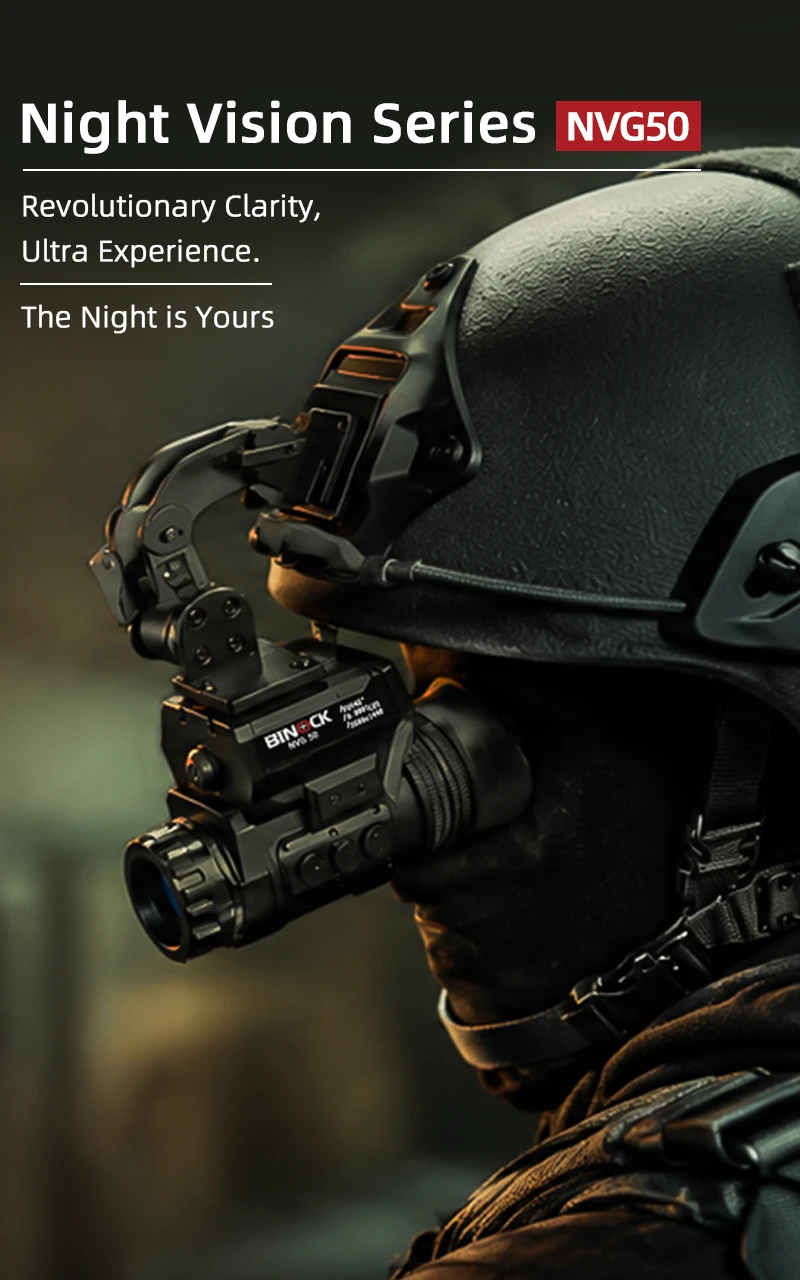
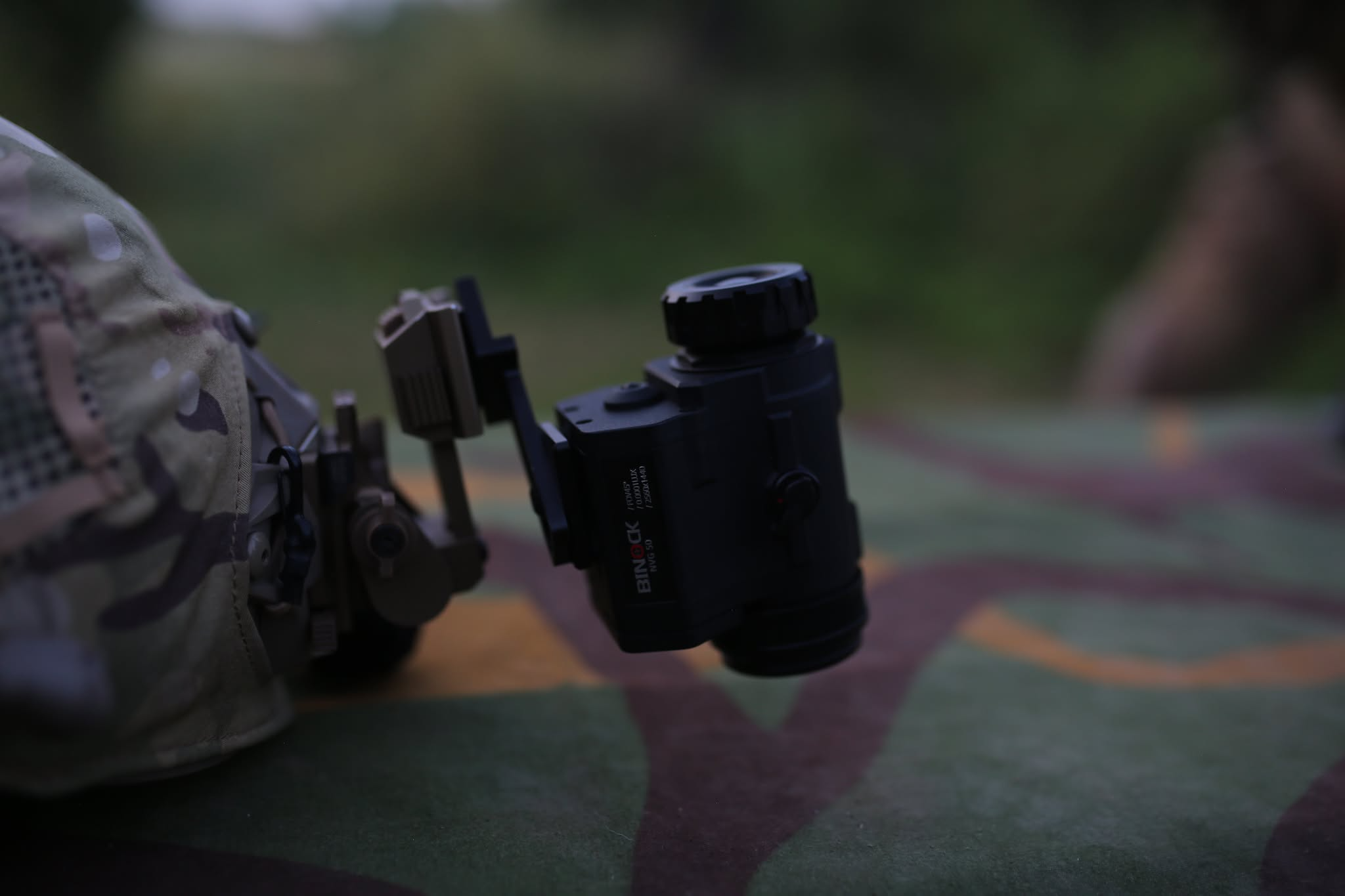
At BINOCK, we've invited creators to test the NVG50 and share their experiences. They don't all film in the same places or focus on the same things, which means their videos can offer different perspectives on the device.
I'd encourage people researching night vision equipment to watch those tests and make up their own minds. Look at the footage, compare the conditions, and pay attention to what the image actually shows. A reviewer's conclusion is useful, but seeing the result for yourself gives you something more concrete to consider.
Naturally, a video isn't a perfect representation of what you'll see through the device. Recording equipment, compression, and the conditions of the test can all affect the final footage. Still, comparing real examples is a good way to get beyond the numbers and understand how a device performs in different situations.
After all, the point of magnification isn't to win a specification contest.
It's to help you see what you need to see. And sometimes, that means zooming in. Other times, it means leaving the magnification alone and keeping a wider view.
Share on Social:


- PREV: What Should You Test When Evaluating a Night Vision Sample?
- NEXT: Not NEXT
