


Affordable Night Vision Monocular In 2026: Why Wide FOV And HD Imaging Matter

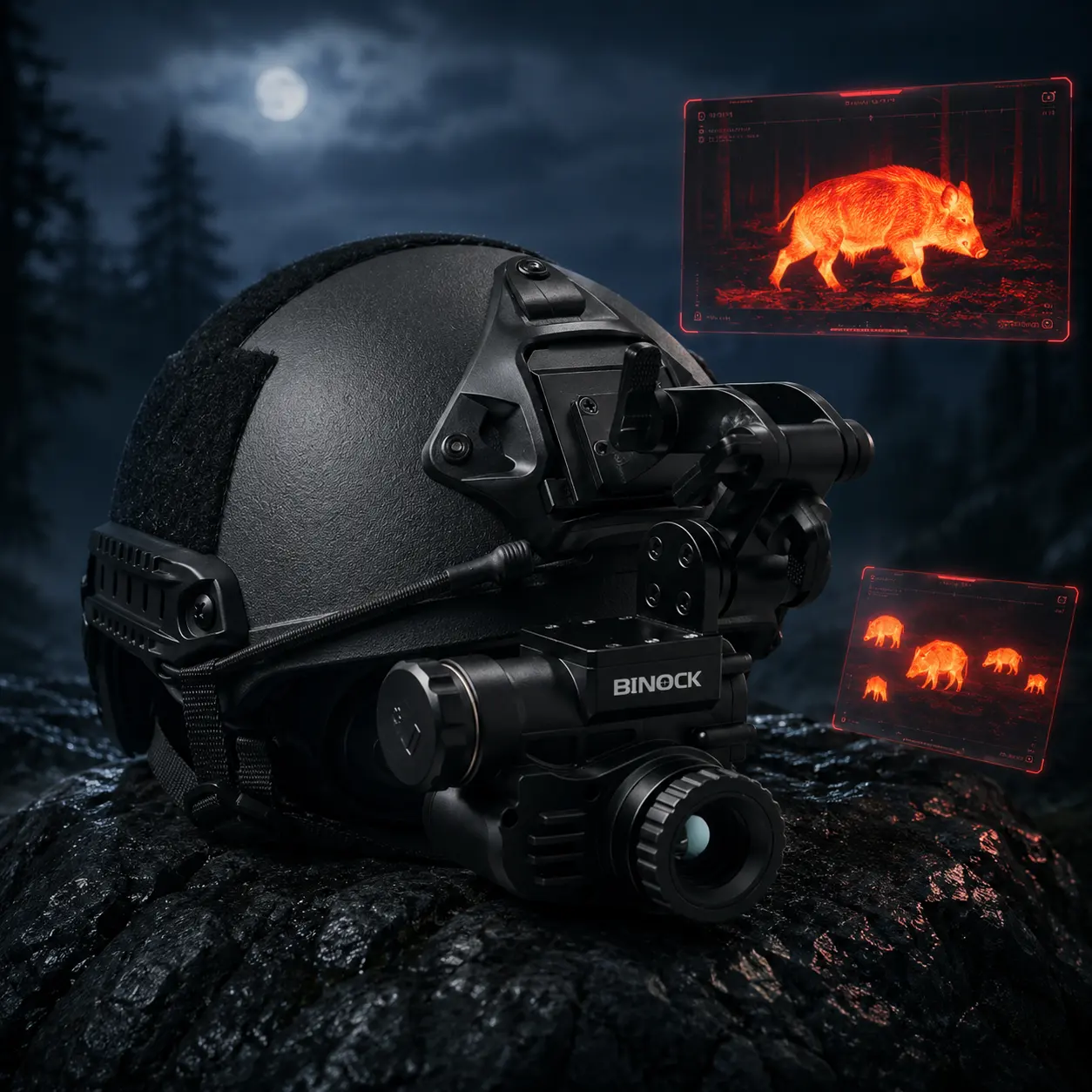

An Affordable Night Vision Monocular in 2026 is no longer expected to be "good enough for the price." Buyers now look for the same three outcomes they demand from higher-end gear: clear viewing, fast target awareness, and reliable performance when conditions change. The difference today is that better sensors, smarter processing, and more practical industrial design have made those outcomes possible at a more accessible budget.
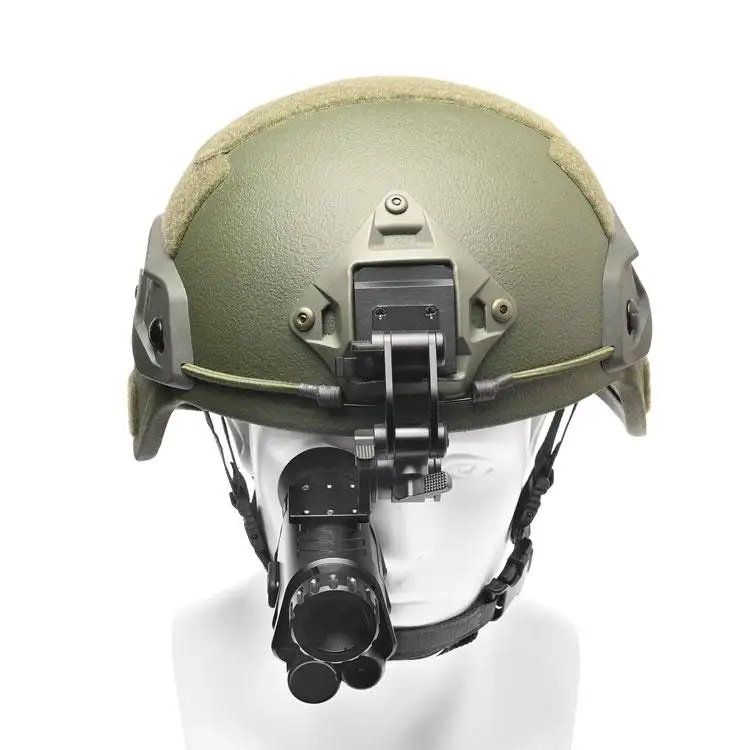
At Binock, we built the NVG30 digital night vision monocular for users who want professional capability without a steep learning curve or unnecessary add-ons. This guide explains wide field of view (FOV) and HD imaging in plain language, then connects those specs to what you actually do at night—whether that’s hunting, patrol, security checks, or outdoor exploration.
What Wide FOV Really Means for Real-World Use
A wide field of view is not a "nice-to-have." It directly changes how efficiently you observe and how quickly you react. In real night work, most users spend more time scanning than staring at one point. A wider FOV reduces the "tunnel effect," where you feel like you’re looking through a narrow tube and constantly losing context.
When FOV is too tight, three things usually happen:
• You move your head more to cover the same area
• You lose moving subjects more easily at the edges
• You get tired faster during long sessions
A wide, balanced view helps you keep the scene together: paths, obstacles, background motion, and the "small" details that matter at night. With the NVG30, Binock focuses on a viewing experience that stays wide enough for awareness while keeping the image clean enough for identification, so beginners feel the upgrade immediately.
✅ Less head movement during scanning
✅ Faster detection when subjects cross the frame
✅ Better situational awareness for patrol and security work
HD Imaging Explained: Specs Vs What You Actually See
Many product pages say "HD," but night vision clarity depends on more than a label. In low-light environments, image quality is shaped by a combination of:
• Sensor performance in darkness
• Lens quality and light collection
• Processing that controls noise without destroying detail
In other words, an Affordable Night Vision Monocular should not only claim resolution—it should preserve useful detail when the scene is imperfect: haze, tree lines, dark clothing, backlighting, or mixed shadows.
The Binock NVG30 supports 2560 × 1440 photo resolution, which matters for a practical reason: it helps fine edges stay readable when you zoom or review footage. Users often want to confirm what they saw later—animal movement patterns, boundary checks, or security documentation. Higher output resolution helps retain shape definition at common observation distances, where "almost sure" is not good enough.
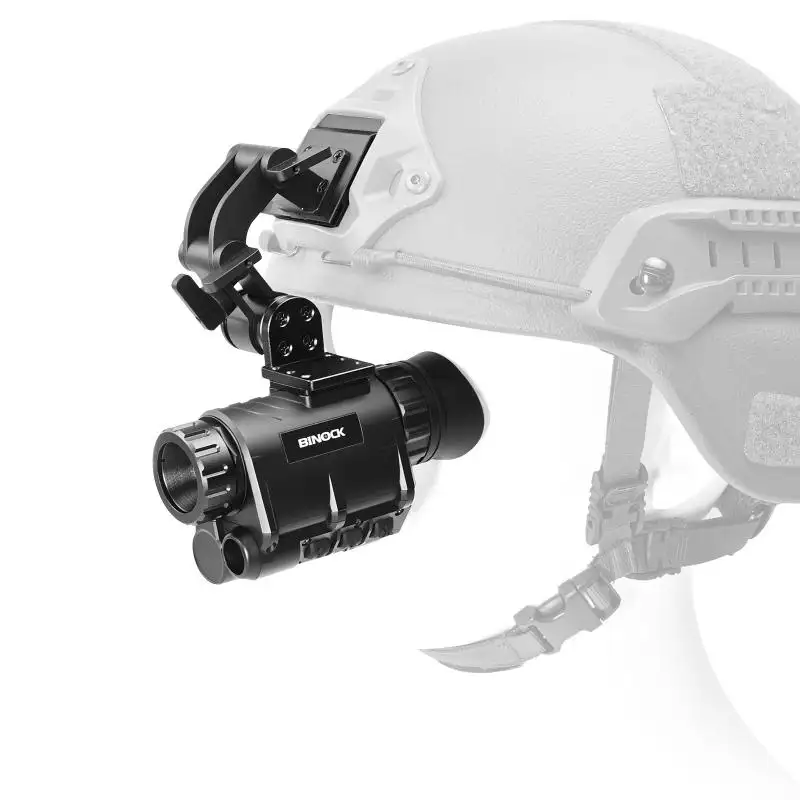
NVG30 also uses a 20mm objective lens, designed to collect light while keeping the device compact. That balance matters if you use it handheld for long periods, or if you build a helmet setup where weight and bulk can quickly become frustrating.
✅ Cleaner outlines for identification
✅ More usable photos for records and evidence
✅ Less "muddy" texture in dark backgrounds
Low-Light Amplification and IR Illumination: Use Both Like a Pro
Night is not one condition. It’s a range. Some environments have starlight, moonlight, or reflected city glow. Others are nearly black—dense forest cover, warehouse corners, or unlit back roads. A capable Affordable Night Vision Monocular should handle both ends without forcing you into extra purchases.
The NVG30 supports low-light amplification, which boosts the ambient light already available. This is often the most comfortable mode because the scene can look more natural and you keep things simple. But when ambient light drops too far, NVG30 also includes built-in infrared illumination to restore clarity in complete darkness without requiring an external IR unit.
This is not a small feature. Field conditions can change quickly. A trail can move from open sky into heavy canopy in seconds. A patrol route can shift from lit areas into shadows. Being able to switch modes fast helps keep your observation stable.
✅ Use low-light amplification under moonlight or starlight
✅ Use built-in IR when the environment becomes fully dark
✅ Reduce extra gear and setup time
Zoom, Distance, And The Real "Confidence Range" For Beginners
Many first-time buyers fixate on maximum distance. In real use, what matters more is your confidence range—the distance where you can consistently detect, track, and identify without guessing.
NVG30 supports 1–4× magnification, which is practical for most scenarios:
• 1× feels natural for scanning and movement
• 2–4× helps when you need more detail on a stationary subject
The NVG30 lists 0.2–300 m maximum effective distance under starlight conditions, but distance always depends on terrain, weather, contrast, and ambient light. The smarter way to compare devices is to treat distance as a capability range, then judge how stable and readable the image remains inside your typical working distance.
✅ 1× is better for scanning and walking
✅ Higher zoom is better for checking details
✅ Distance depends on lighting, not only the device
Comfort And Reliability: The Details That Decide Daily Use
Many night devices disappoint not because the image is terrible, but because the experience is tiring. Comfort and reliability determine whether a device becomes a trusted tool or stays in a drawer.
Binock designed NVG30 around "real carry" needs:
• 253 g portable weight to reduce fatigue
• Two rechargeable 18650 lithium batteries for practical field replacement
• IP67 rating for dust and wet outdoor conditions
compatibility with multiple helmet mounts, including L4G24 mount standard compatibility for smoother setup
For long sessions, this matters more than people expect. A device that feels balanced, powers easily, and survives weather is simply used more often—and used more effectively.
✅ Lighter weight reduces fatigue
✅ Replaceable batteries support longer missions
✅ IP67 helps protect your investment outdoors
How To Choose An Affordable Night Vision Monocular In 2026
If you’re shopping this year, start with the two pillars that most directly change performance: wide viewing comfort and image clarity you can trust. Then confirm the device fits your actual scenario: handheld scouting, wildlife observation, patrol, or security rounds.
Use this checklist when comparing any Affordable Night Vision Monocular:
✅ Prioritize wide viewing comfort for scanning-heavy work
✅ Confirm HD imaging with real output specs (not slogans)
✅ Ensure it supports both low-light and built-in IR modes
✅ Choose practical power (replaceable batteries matter)
✅ Check durability ratings for your environment (IP class matters)
At Binock, the NVG30 was built around how people actually work at night—not just showroom specs. If you want an Affordable Night Vision Monocular that balances wide FOV, HD imaging, and field-ready reliability, NVG30 is designed for that expectation.
CTA: Planning a team purchase or your first pro night configuration? Contact Binock for NVG30 pricing, lead time, and recommended setups for hunting, security, patrol, or outdoor exploration. MOQ is flexible at 2–5 sets—supporting trials and small-unit deployment.


