


Analog vs. Digital Night Vision: How to Choose

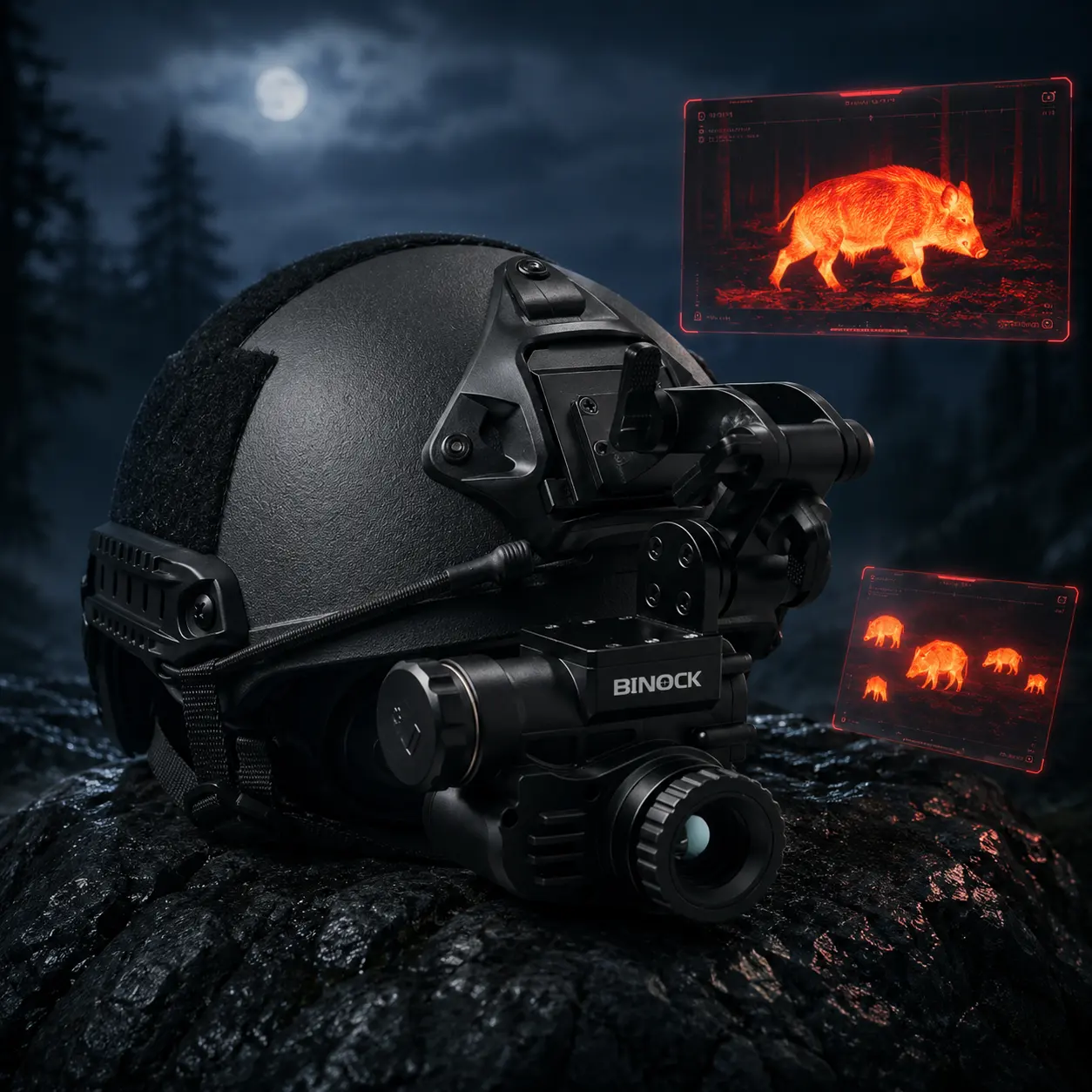

And Why You Don’t Need to Spend $3,000 Anymore
For years, the night vision world had a simple rule: analog or bust. Gen 2+ and Gen 3 image intensifier tubes were the gold standard—crisp, real-time, and passive. Digital night vision? Grainy, laggy, and overly reliant on IR illuminators that screamed “I’m here.” But the gap has collapsed. Digital sensors paired with high-resolution OLED displays now deliver darkness-piercing performance that would have been unthinkable just a few years ago. According to Military Machine’s 2026 buyer’s guide, the old choice between a cheap toy and a $3,000 Gen3 tube no longer exists—digital night vision now offers us able capability starting under $3,000,Even better, today’s top digital devices can genuinely rival analog performance at a fraction of the cost.
Here’s how to choose—and some specific models that prove digital has arrived.
Analog: The Traditional Gold Standard
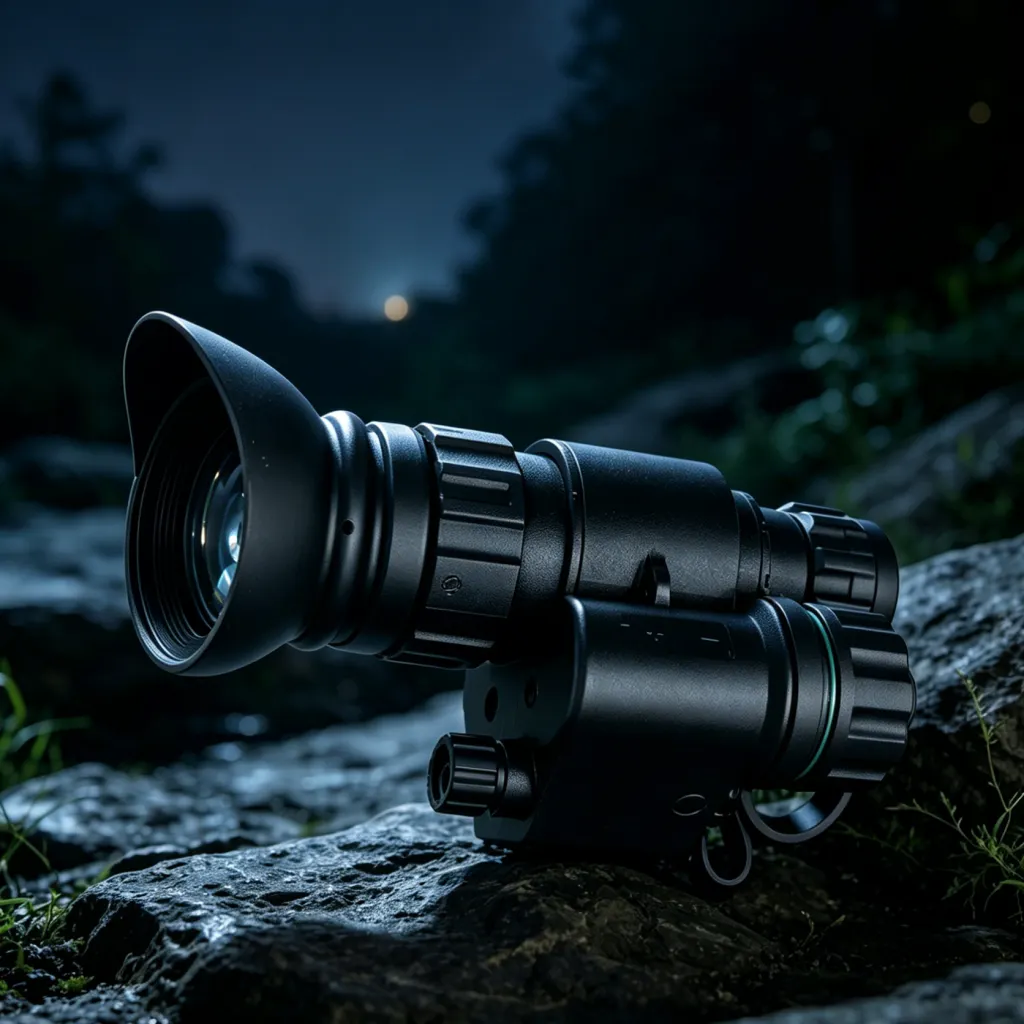
Analog night vision works by collecting ambient light (moon, stars) through a lens, converting it into electrons, accelerating them through a vacuum tube, and amplifying the image on a phosphor screen. The result is smooth, real-time, and passively excellent in near-total darkness. A used PVS-14 Gen 3 tube still costs north of $1,500—out of reach for casual users or even small rural agencies. But if you need uncompromised low-light performance, zero lag, and the ability to operate without emitting any detectable light, analog remains unmatched.
Digital: The New Contender
Digital night vision uses a CMOS sensor to capture light (including near-infrared), a processor to convert it, and an OLED or LCD screen to display the image. The old complaints about digital—grainy images, noticeable latency, and heavy IR reliance—are fading fast. High-end digital units now offer usable images in ambient light, significantly reduced lag, and features analog can’t touch: video recording, color viewing, USB-C charging, and safe daylight operation. Good Nite Gear’s NVG50 review on Safariland puts it plainly: digital night vision has made significant gains, offering a comfortable entry point for less than the price of a Glock. The general consensus among users? You get roughly 80 percent of analog’s performance at about one-fifth the price or less.
The Digital Lineup That’s Changing the Game
Not all digital is created equal. Here’s how the current generation stacks up.
NVG90 / NVG90 PRO — The Analog Rival in the 1,000–2,000 Range
The NVG90 series is where digital gets serious. The standard NVG90 is a head-mounted new model. It delivers 250 to 300 meters of observation range in complete darkness and offers 5x magnification, 8 level brightness adjustment, and black&white modes. It also includes independent diopter adjustment for each eye—a feature usually reserved for premium analog units.
https://www.binock.com/product/nvg90-night-vision-goggles-for-helmet/
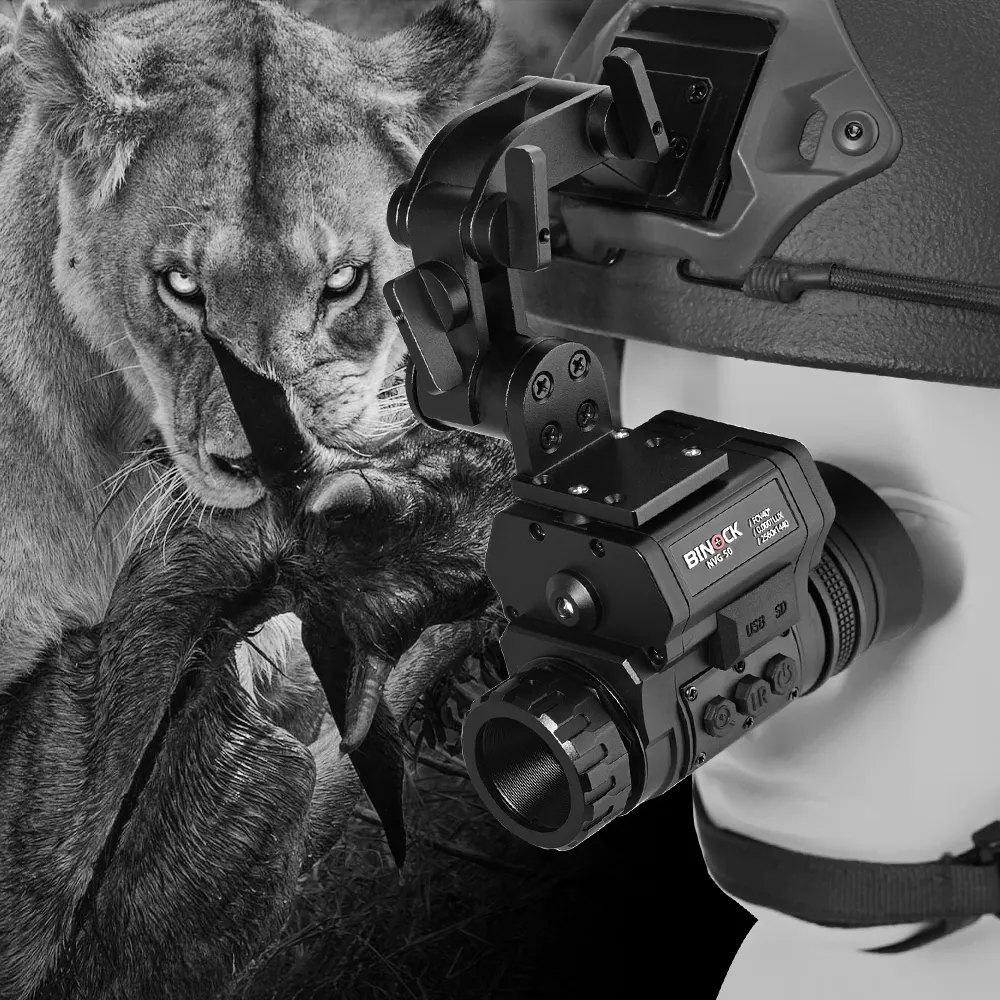
The NVG90 PRO step things up even further. These newer variants are consistently compared side by side with the best digital options from competitors like the SVG5 and OPSIN in the 1,000–2,000 bracket, they offering improved sensor sensitivity, reduced latency, better low-light performance, and enhanced build quality. These are the devices that make analog owners start questioning their loyalty.
https://www.binock.com/product/digital-night-vision-goggles-nvg90-pro
NVG30 and NVG50 — Big Performance for Under $500
This is where digital becomes a no-brainer. The NVG30 has been called the “breakout hit of the digital night vision market” by Military Machine. It replicates the PVS-14 form factor used by military forces worldwide, features a high-resolution OLED display with adjustable green or white phosphor simulation, and accepts standard helmet-mounting hardware out of the box. Popular Airsoft named it the best night vision to get for under $500, calling it “a digital night vision that punches above its weight”.
https://www.binock.com/product/nvg30
The NVG50 takes everything great about the NVG30 and improves on it. It features a higher-resolution viewing screen (2560×1440 vs. 1920×1080), a smaller and more rugged housing, slightly less latency (better for rapid movements), and external battery pack support. Both devices can be used as single monoculars or bridged together for a binocular setup. With ambient moonlight or any external lighting, you won’t need to rely on the IR illuminator at all.
https://www.binock.com/product/nvg50
Head-to-Head: How They Actually Compare
| Feature | Analog (Gen 2+/Gen 3) | High-End Digital (NVG90 series) | Budget Digital (NVG30/50) |
| Low-light performance | Outstanding, passive | Very good, minimal IR needed | Good, ambient light helps |
| Real-time latency | True zero | Minimal (improved) | Slight but usable |
| Price | $1,500–$10,000+ | $1,000–$2,000 | $300–$550 |
| Daylight safe | No (tube damage risk) | Yes | Yes |
| Video recording | No (add-on required) | Yes | Yes |
| Weight | Light (~1 lb) | 363g (NVG90) | Compact |
| Best for | Pro use, extreme low-light | Serious enthusiasts, recording | Beginners, budget-minded |
Who Should Buy What
Choose analog if: You’re a professional operator, have a budget of $2,000+, need zero detectable IR emission, and require the best possible performance in moonless, overcast conditions.
Choose the NVG90 series if: You want near-analog performance with digital’s advantages—color options, video recording, daylight safety—and have 1,000–1,000–2,000 to spend. These are the devices that genuinely rival Gen 2 analog tubes.
Choose NVG30 or NVG50 if: You’re on a budget under $550, want the best value in night vision today, and need a helmet-mountable digital monocular that records video, works in daylight, and performs well in ambient light.
The Bottom Line
The old days of “analog or nothing” are over. Digital technology has caught up, and at every price point—from $300 to $1,800 NVG90 Pros—you can now get performance that genuinely rivals traditional image intensifier tubes. SRI’s new DomiNite digital low-light camera, designed with DoD funding, even aims to fully replace analog intensifier tubes across military applications. The gap has collapsed.
Whether you go analog or digital depends on your mission and budget. But for the vast majority of users—recreational shooters, airsoft players, property owners, and hunters—digital is no longer the compromise. It’s the smart choice.


