


How Do Night Vision Goggles Work? A Beginner-Friendly Guide

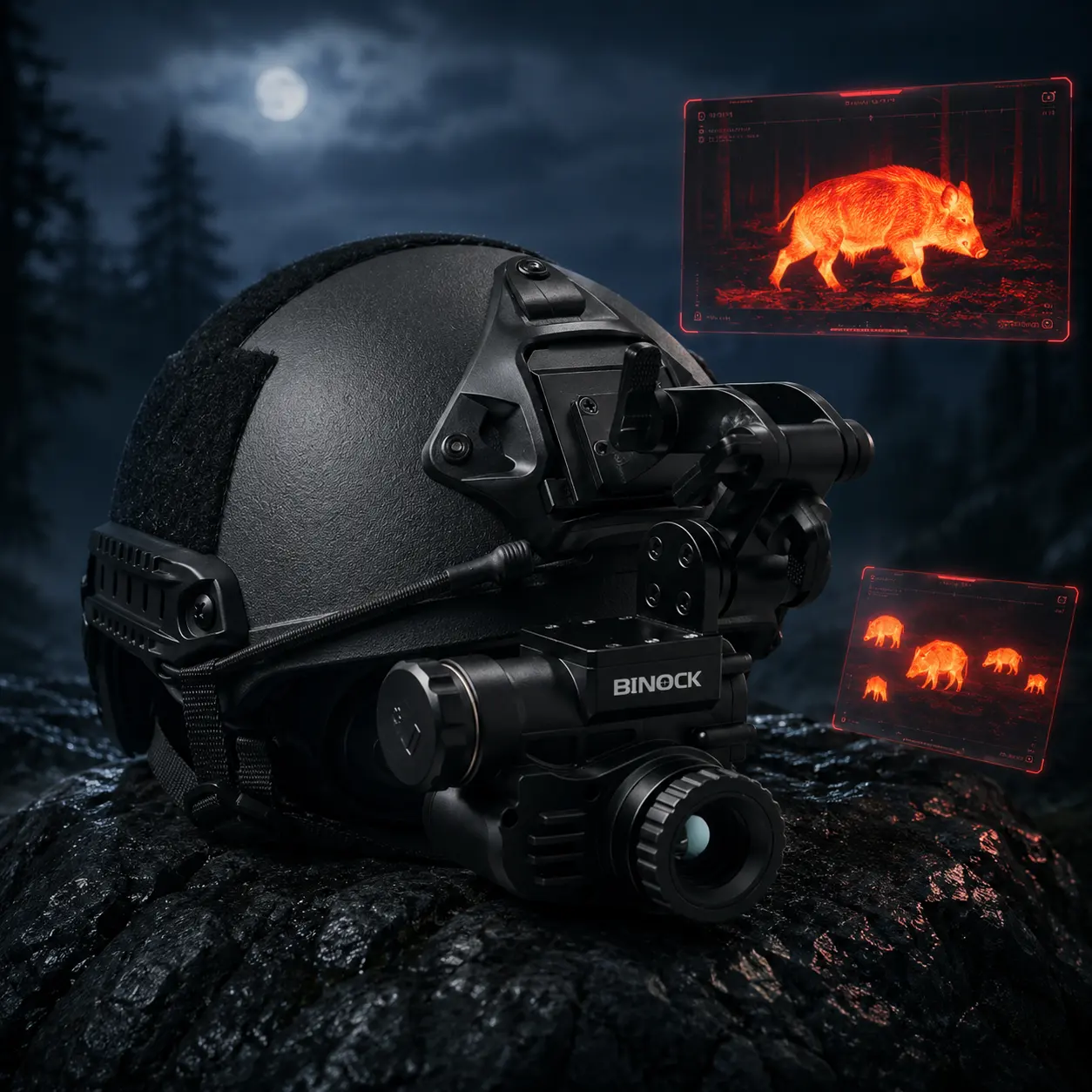

If you’ve ever played airsoft at dusk or tried to navigate your backyard after sunset, you already know one thing: humans are terrible at seeing in the dark. That’s where night vision goggles (NVGs) come in. But for a beginner, the world of night vision can feel intimidating—full of weird terms like “gen 3 tubes,” “IR illuminators,” and “auto-gating.” Don’t worry. This guide will walk you through everything you need to know, from how different types of night vision work to what you should buy for your tactical gear setup. And if you play airsoft with airsoft guns, this information might just give you the edge you’ve been looking for.
1. Types of Night Vision Goggles: More Than Just “Green Glow”
When most people imagine night vision goggles, they picture that classic green-tinted circle from movies. But in reality, night vision technology falls into several distinct categories, each with its own strengths and weaknesses.
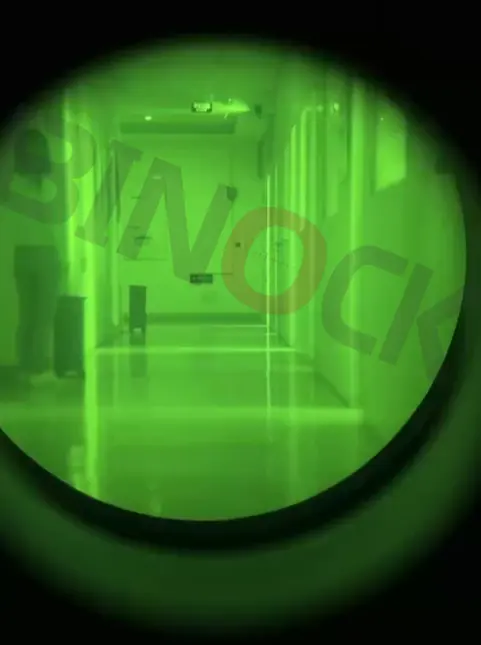
Analog Night Vision (Generation 1 to 3)
This is the “real” night vision—the kind used by the military. Analog devices work by collecting tiny amounts of ambient light (moonlight, starlight) through a lens, then firing those photons through a vacuum tube. Inside the tube, photons hit a photocathode, which converts them into electrons. Those electrons are multiplied thousands of times before smashing into a phosphor screen, which glows green. The result? You see a bright, clear image even when it’s nearly pitch black.
- Gen 1: The oldest and cheapest analog technology. It works but requires significant infrared (IR) light assistance. Image distortion is common.
- Gen 2: Noticeably better. Less distortion, clearer image, and better low-light performance.
- Gen 3: Military grade. Extremely sensitive and clear, but costs as much as a used car.
Digital Night Vision
Digital NVGs are the modern disruptor. Instead of using a fragile vacuum tube, they use a high-sensitivity CMOS sensor (similar to what’s in a security camera or smartphone). The sensor captures whatever light is available, processes it, and displays it on a small internal screen that you look at through an eyepiece. Many digital models also include built-in IR illuminators—invisible infrared lights that “light up” the dark without being visible to the naked eye.
Why this matters for airsoft: Digital night vision is far more affordable, durable, and often includes features like video recording, Wi-Fi streaming, and rechargeable batteries. For airsoft players using airsoft guns in nighttime scenarios, a good digital monocular can be a game-changer.
Nowadays, high-end digital models now deliver clarity and low-light performance that rivals Gen 2+ analog tubes—without the risk of burn-in, while offering video recording and a much lower price. The old rule that "analog is always better" is no longer true. For more information, please refer to this article: Analog vs. Digital Night Vision
Thermal Imaging
While not technically “night vision,” thermal is often lumped into the same conversation. Thermal devices don’t amplify light—they detect heat (infrared radiation). Every living thing, recently fired airsoft gun, or warm engine glows in thermal view. The advantage? Total darkness, smoke, and light fog don’t matter. The disadvantage? You can’t identify faces or see through glass.
For tactical gear enthusiasts, thermal is amazing for detection, but night vision goggles are better for navigation and target identification.
2. How to Tell if Night Vision Goggles Are Actually Good
Not all night vision goggles are created equal. A $100 device from an online marketplace might look tempting, but it will likely disappoint you on a dark field during an airsoft match. Here are the key quality indicators.
Resolution (Clarity)
If you can’t tell whether that shape 50 yards away is an opponent or a bush, your NVGs are useless. Resolution is usually measured in:
- lp/mm (line pairs per millimeter) for analog units—higher is better.
- TV lines or megapixels for digital units.
For digital night vision goggles, look for 1080p or “4K sensor” (though effective resolution at night is often lower). For airsoft, you don’t need military-grade clarity, but you do need to distinguish between friend and foe at typical engagement distances.
Low-Light Sensitivity
This is where cheap devices fail. On a moonless, cloudy night, there is almost no ambient light. Good night vision goggles will still produce a usable image. Cheap ones will show nothing but blackness unless you crank up the IR illuminator. But relying too much on IR is a problem in airsoft because enemies with their own night vision goggles can see your IR flashlight from across the field.
Pro tip for airsoft players: Test your NVGs in complete darkness (no moon, no streetlights). If they can’t function without the IR illuminator blasting, you’ll be a walking lighthouse to anyone else wearing digital night vision goggles.
Field of View (FOV)
Human binocular vision is about 120–140 degrees. Most night vision goggles offer only 40 degrees (for a single tube) or slightly wider for dual-tube systems. A narrow FOV is like looking through a paper towel roll—you lose peripheral awareness. For airsoft, this is a major tactical disadvantage. Wide FOV helps you spot movement without constantly sweeping your head.
Auto-Gating and Bright Light Protection
If you’ve ever accidentally looked at a streetlight while wearing night vision goggles, you know the pain. Cheap units will “bloom” (turn into a giant white ball) or even get damaged. Quality analog Gen 2+ or Gen 3 tubes include auto-gating, which rapidly turns the tube on and off (thousands of times per second) to prevent damage from sudden bright lights. Some high-end digital units also offer similar protection.
Build Quality and Waterproofing
Tactical gear gets banged around. Look for an IP rating (e.g., IP65 or IP67) for dust and water resistance. If you play airsoft outdoors, rain or accidental drops into mud are real risks. Rubberized armor and shock-resistant internals matter more than you think.
3. What Beginners Should Look for When Buying Night Vision Goggles
If you’re new to night vision goggles, don’t just buy the cheapest or the most expensive. Start with practical considerations.
Your Actual Use Case
Ask yourself: Where and when will I use these?
- For backyard observation and wildlife: A basic digital monocular is fine.
- For airsoft (night games): You need durability, reasonable battery life, and the ability to move while looking through it. A head-mounted monocular is ideal.
- For hunting or serious tactical gear use: Consider moving up to Gen 2+ analog or a high-end digital binocular.
Monocular vs. Binocular
- Monocular (single eye): Lighter, cheaper, and leaves one eye adapted to natural darkness. Many airsoft players prefer this because it preserves peripheral vision on your non-NVG eye.
- Binocular (dual eye): More natural depth perception and less eye strain, but heavier and more expensive. Great for long observation sessions.
Power Source
There’s nothing worse than your night vision goggles dying in the middle of a game because you forgot to charge a proprietary battery. Models that run on standard AA or 18650 rechargeable lithium batteries are far more practical for tactical gear setups.
Recording and Sharing
One hidden benefit of digital night vision goggles is the ability to record what you see. Many include microSD card slots and Wi-Fi. For airsoft, recording your night games is not only fun but useful for reviewing tactics or settling disputes about hits.
IR Illuminator Quality
Almost all beginner night vision goggles include a built-in IR flashlight. But quality varies. A weak IR illuminator only reaches 30–50 feet. A strong one can reach 300+ feet. The catch? Other players with night vision goggles can see your IR beam. In airsoft, that makes you an easy target. Some players solve this by using external IR illuminators with narrower beams or by turning off the illuminator once ambient light is sufficient.
4. Which Night Vision Goggles Are Actually Suitable for Beginners?
Given all the technical details, here’s the honest truth for beginners: start with digital, not analog.
Gen 1 analog is outdated and fragile. Gen 2+ analog costs 2,000–5,000. Unless you’re a serious enthusiast or professional, that’s overkill for airsoft or casual night hiking.
Digital night vision goggles have improved dramatically. A good digital model will give you 90% of the usability at 20% of the price. Plus, you get features like video recording, playback, and easier battery management.
For airsoft players, the ideal beginner setup is:
- A monocular (single eye) for lightweight head mounting.
- Digital sensor with 1080p or higher effective resolution.
- Built-in IR with adjustable intensity.
- Standard battery type (18650 or AA).
- Head-mountable (comes with or can accept a helmet/shroud mount).
Avoid:
- “Night vision” toys that are just low-light camcorders with green tint.
- Anything that claims “50,000x magnification” (mathematically impossible for handheld NVGs).
- Used Gen 1 analog tubes (they degrade over time).
5. Specific Product Recommendations:
If you’re ready to buy, the BINOCK brand offers several excellent options that balance price, performance, and beginner-friendliness. These are particularly well-suited for tactical gear setups and airsoft night games.
BINOCK NVG10 (Entry-Level Monocular)
The NVG10 is where many beginners start. It’s a digital monocular with:
- 1080p sensor
- Built-in IR illuminator (adjustable)
- Up to 4 hours of battery life
Best for: Casual night walks, backyard critter spotting, and entry-level airsoft games where you mainly stay in areas with some ambient light. The NVG10 won’t blow your mind, but it’ll show you what night vision can do without emptying your wallet.
BINOCK NVG30 (Mid-Tier Monocular)
The NVG30 is a significant step up from the NVG10. Key improvements include:
- Higher sensitivity sensor (much better in low-light conditions)
- Stronger IR illuminator with better beam pattern
- Improved lens clarity and reduced edge distortion
- Can be used as a dashcam or home security camera

Best for: Airsoft players who play real night games (not just dusk), campers who want to navigate trails after dark, and anyone who found the NVG10’s low-light performance a bit weak. The NVG30 hits the sweet spot of price vs. performance for most beginners.
BINOCK NVG50 (Advanced Monocular)
The NVG50 is for the beginner who wants to buy once and not immediately feel the need to upgrade. Features include:
- Even better low-light sensitivity (approaching Gen 2 analog territory in good conditions)
- Higher optical zoom capability
- Sharper resolution and better dynamic range (less “bloom” around lights)
Best for: Dedicated airsoft night players, wildlife enthusiasts who need to identify animals at a distance, and those who want to use their tactical gear seriously without jumping to $2,000+ analog systems. If your budget allows, skip the NVG10 and go straight to the NVG30 or NVG50.
BINOCK NV8000 (Binocular for Comfort)
Once you’ve used a monocular for a few hours, your eye will feel the strain. Looking through one eyepiece while keeping the other eye open is tiring. That’s where the NV8000 comes in.
The NV8000 is a true binocular (dual eyepiece) digital night vision device. Benefits include:
- Natural depth perception
- Reduced eye fatigue during long sessions
- More immersive viewing experience
- Often includes better head-mounting options
Best for: Players who spend entire nights in airsoft games, anyone who finds monoculars uncomfortable, and those who want the closest experience to military-style night vision goggles without spending analog prices.
One warning for airsoft: The NV8000 is heavier than a monocular. Make sure your helmet or head strap is comfortable for long periods.
Final Thoughts: Which One Should You Actually Buy?
Here’s my straightforward advice for beginners:
- If you have no night vision experience and a tight budget: Start with the BINOCK NVG30. It’s cheap enough not to hurt if you don’t use it often, but good enough to actually work during airsoft night games.
- If you play airsoft night games regularly: Go for the BINOCK NVG50. The extra sensitivity and clarity are worth it when you’re trying to spot opponents hiding behind cover at 75 yards.
- If you value comfort and depth perception: Get the BINOCK NV8000 binocular. Your eyes will thank you after a three-hour night game.
- Never buy a “night vision” device without checking real user reviews from other airsoft or tactical gear communities. Marketing claims are often exaggerated.
You can go through BINOCK official store: BINOCK or the U.S. distribution center: GOODNITEGEAR
Night vision goggles can completely change how you experience the dark—whether you’re clearing a path through the woods, winning an airsoft match, or simply watching owls hunt from your back porch. Start with a solid digital monocular like the BINOCK NVG30, learn its limits, and upgrade later if you fall in love with the night.
Now get out there—and stay invisible.
Share on Social:


