


Night Vision Helmet Setup 101 (2026): A Beginner's Guide To Fit

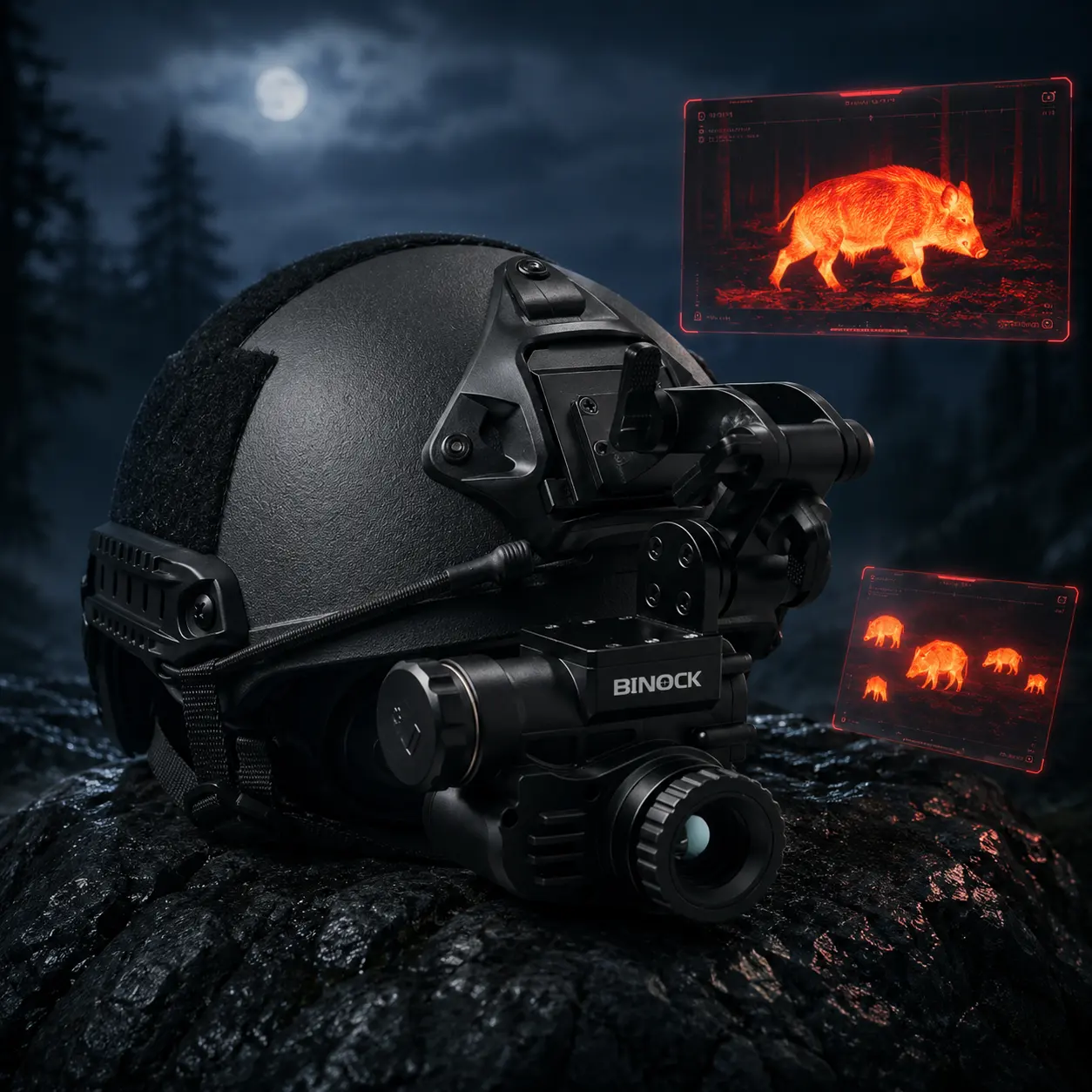

Night Vision Helmet Setup is easiest to enjoy when you treat "fit" as the first performance feature, not an afterthought. In 2026, many beginners buy the right device but wear it the wrong way, then blame the optics. From Binock's perspective as a manufacturer, a stable and comfortable setup is what turns night observation into a repeatable routine—whether you are watching wildlife, patrolling property, or exploring outdoors after sunset.

1) Start With the Real Goal: Comfort + Stability, Not "Tactical"
A beginner's Night Vision Helmet Setup should feel boring—in a good way. If you notice pressure points, wobble, or neck strain in the first 10 minutes, you will stop using it. The most common mistake is chasing extra accessories before you have the basics: a snug helmet, correct strap tension, and a balanced front load. Your device can be capable, but if it sits too high, too low, or too far forward, your eyes will fatigue and your image will shake.
At Binock, we design night observation products with real usage time in mind. That means you should plan your setup around the way you actually move: bending, scanning, walking, and looking up. A fit-first approach also protects your gear. When the mount is stable, the device is less likely to get bumped, dropped, or misaligned.
2) Helmet Fit Basics That Make Everything Easier
A Night Vision Helmet Setup starts with the helmet staying still when your head moves. The helmet should not "float" on top of your hair, and it should not squeeze your temples.
Three Fit Checks Before You Mount Anything
Use these quick checks before adding a device:
✓ Shake Test: Gently shake your head left-right and look for slip. If it shifts, tighten the retention system before you add weight.
✓ Forehead Pressure Test: You should feel even contact, not a single hot spot. Hot spots become headaches after long sessions.
✓ Eye Line Test: Your natural gaze should be forward, not forced downward. If you must tilt your head to see clearly, your mount height is likely wrong.
When the helmet fit is correct, your device becomes easier to align, and your viewing posture stays relaxed. This is where beginners "save money" without buying anything new—because good fit prevents bad habits.
3) Mounting and Balance: The Hidden Secret to Longer Sessions
Most discomfort comes from front-heavy weight. A stable Night Vision Helmet Setup is a balanced system, not just a device clipped to the front. If the front load pulls your head down, your neck works overtime, especially when you scan slowly for detail.
How to Think About Balance (Without Over-Engineering)
Balance does not require complicated math. It requires two practical ideas: keep the device closer to the helmet, and reduce unnecessary forward extension. When you can, mount the device so it sits tight and centered. If your setup feels nose-heavy, consider a counterweight solution on the rear of the helmet, or move your existing battery pack toward the back. The goal is simple: less torque on your neck.
✓ Keep The Device Close: The farther it sits from the helmet, the heavier it feels.
✓ Center The Load: Off-center mounting increases wobble and forces your eyes to "chase" the image.
✓ Test While Walking: If the view bounces with each step, adjust tension and mounting position before you blame the optics.
4) Choosing a Beginner-Friendly Device: Where NV8000 Fits In
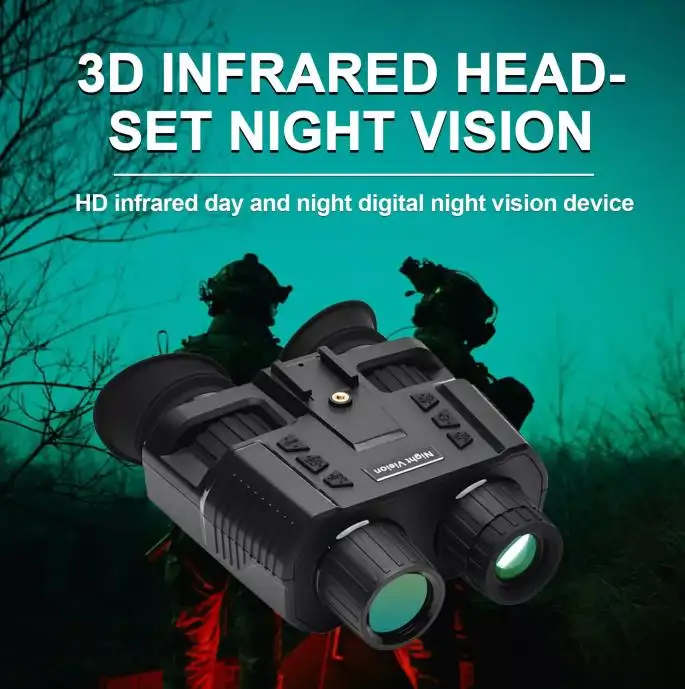
A Night Vision Helmet Setup becomes more beginner-friendly when the device gives clear results without constant tweaking. The BINOCK NV8000 is a night vision binocular built for night observation with waterproof capability, ergonomic handling, and a 1.3-megapixel starlight sensor designed to keep images usable in low light conditions. For beginners, this matters because you spend less time fighting noise and more time learning how to scan and focus.
The NV8000 supports 4X digital zoom and uses a 31mm objective lens with an 8.9° field of view, which helps new users understand "how much scene" they are capturing while scanning. In full darkness, observation distance can reach up to 250m, which is practical for wide outdoor areas when used responsibly. It also supports 1080P video at 30FPS, so you can review what you saw and improve your technique over time instead of relying on memory.
A key point for beginners is managing expectations: digital zoom helps you inspect, but steady mounting and calm scanning are what preserve detail. If your image looks soft at higher zoom, do not assume the sensor is weak. First check stability, then adjust your viewing distance and scanning speed.
5) Power, Weather, and Real-World Use Habits
A Night Vision Helmet Setup is only "good" if it stays reliable when conditions change. Beginners often underestimate power planning and simple care. The NV8000 uses a rechargeable 3.7V 3000mAh lithium-ion battery, which supports practical outdoor sessions when you build a habit: charge fully, carry a safe backup power option when needed, and avoid storing the device in extreme heat.
Water resistance also matters more than people expect. Dew, fog, and sudden light rain can ruin a night if you worry about your equipment. A waterproof design gives you confidence to keep observing, especially for wildlife viewing or outdoor exploration where weather is unpredictable.
✓ Battery Routine: Charge before each trip and avoid "half-charged storage" for long periods.
✓ Lens Care: Keep the objective lens clean and dry; smudges look like "bad performance."
✓ Comfort Breaks: Short breaks protect your neck and help your eyes reset, improving clarity.
6) A Simple Beginner Checklist and a Clear Next Step
If you want a Night Vision Helmet Setup that works on your first week, focus on repeatable steps. Do not chase perfection in one night. Build consistency.
✓ Helmet stays stable during the shake test
✓ Mount is centered and close to the helmet
✓ Weight feels balanced after a 15-minute walk test
✓ Scanning is slow and controlled, not rushed
✓ Battery is fully charged and stored safely
✓ You can record key moments (1080P@30FPS) for review
If you are building your first setup and want a device designed for practical night observation, Binock can help you match your use case to the right configuration. Contact Binock to request the NV8000 spec sheet, application guidance for beginners, or a product demo workflow—so your Night Vision Helmet Setup is comfortable, stable, and genuinely enjoyable from day one.


