


Thermal Imaging Monocular Supplier: Why A Shutterless Core Matters

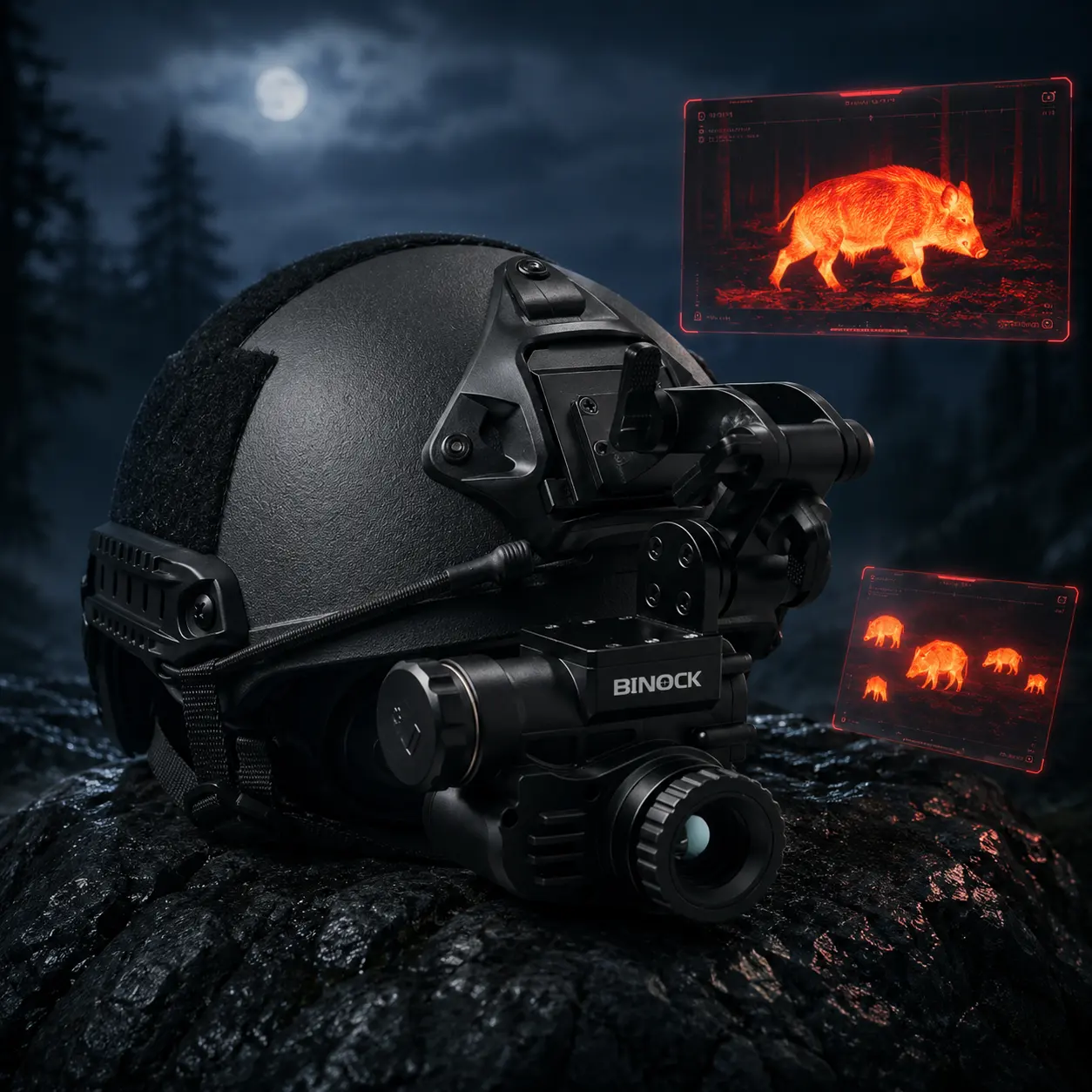

Making Thermal Imaging Monocular decisions starts to matter the moment a hunter steps into low light, because a thermal device is only useful if it stays clear, stable, and responsive in real terrain. As a supplier of Thermal Imaging Monoculars, Binock builds the THM10 Thermal Monocular Imager for hunters who need a compact tool that works reliably during scanning, tracking, and long field sessions—without distractions from image interruptions.
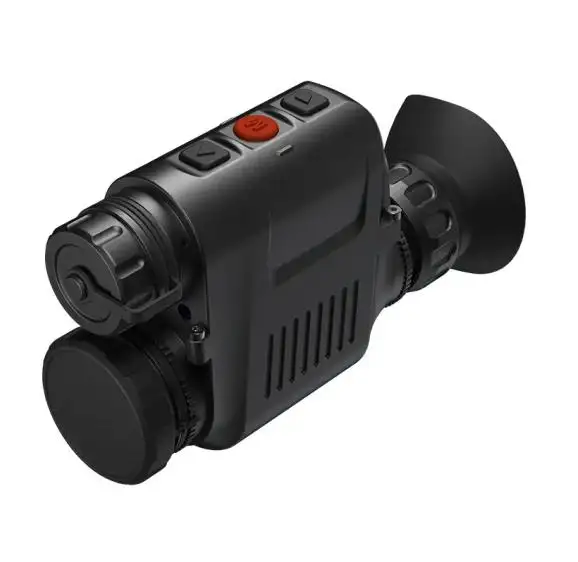
What a Shutterless Core Really Means in the Field
Many beginners hear “shutterless” and assume it is just a premium label. In practice, it changes how your viewing experience feels during active use. Traditional thermal cores may rely on periodic shutter actions to correct the image, which can create brief pauses or visual “freezes.” These moments are small, but they often happen at the worst time—right when you are scanning brush lines or following movement.
A shutterless core is designed to keep imaging smooth and continuous. For a hunter, that translates into fewer breaks in visual flow and less frustration when searching across a wide area. From a Thermal Imaging Monocular Supplier perspective, shutterless performance is not only about the core itself, but also about how the device processes noise and maintains stable detail recognition under changing conditions.
Why Smooth Imaging Depends on More Than One Spec
A thermal monocular is a system. The core, the sensor, and the processing pipeline all influence what you actually see. THM10 pairs its shutterless design with real-time denoising and a highly sensitive ≤25mK sensor. You do not need to memorize the number to benefit from it. The practical meaning is that the device can pick up fine temperature differences more effectively, which helps separate an animal’s heat signature from a background that is only slightly cooler or warmer.
As a Thermal Imaging Monocular Supplier, Binock focuses on turning these technical choices into a more predictable user outcome: clearer recognition and steadier detail when the environment is messy—humidity, wind, mixed vegetation, or uneven ground temperature.
✅Less “image distraction” while scanning
✅More confidence when tracking through cluttered scenes
✅Better continuity during long observation sessions
THM10 Performance Basics: Fast Response, Clear Viewing
For beginners, it helps to anchor your expectations with a few practical performance points. THM10 runs at a 50Hz frame rate, which supports smoother motion display when you pan across a field or track movement. A stable frame rate matters because it reduces the “laggy” feeling that makes new users second-guess what they saw.
The viewing experience is also shaped by the display. THM10 uses a 1024×768 display resolution, supporting a clearer image presentation for spotting and basic identification tasks. This does not replace good field technique, but it makes scanning less tiring because you are not constantly fighting a blurry presentation.
As a Thermal Imaging Monocular Supplier, we prefer to frame these specs in real use terms: you spend less time re-checking the same area, and more time making decisions with a steady image.
Comfort and Carry: The Under-250g Advantage
Thermal devices often fail the user not because of image quality, but because they become annoying to carry. If a tool feels heavy, users stop using it, or they leave it behind “just this time.” THM10 is built to stay ≤250g, which supports comfort during long sessions. This is especially relevant if you switch between handheld scanning and other setups.
THM10 is designed to stay practical across common hunting workflows: handheld scanning, helmet-mounted use, or clip-on scenarios. The benefit is simple: you can keep the device in your routine without feeling like it is slowing you down.
✅Easier to hold steady for longer periods
✅Less fatigue during repeated scanning cycles
✅More likely to stay on you, not in the bag
When a Thermal Imaging Monocular Supplier gets ergonomics right, users typically gain consistency—more scanning time, better field awareness, and fewer missed moments.
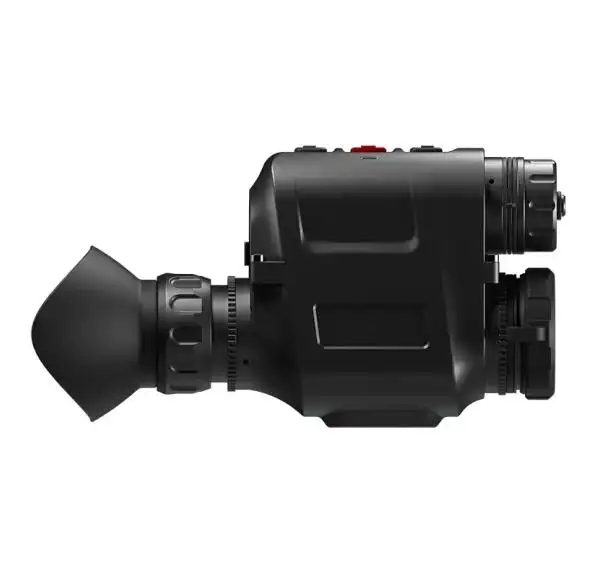
Rugged Readiness: IP67, Battery Time, and Modern Connections
Outdoor conditions are not controlled. That is why rugged design is not a marketing extra—it is a requirement. THM10 is rated IP67, which supports protection against dust and water exposure in real environments. Hunters do not plan for weather changes, wet brush, or muddy handling, but devices should.
Operating time is another field reality. THM10 supports ≥4 hours of operating time, which fits many single outing scenarios and reduces the stress of constantly checking battery status. For content capture and sharing, THM10 supports Wi-Fi and video/image capture, allowing users to record key moments for review, training, or team communication.
For charging and data, THM10 uses a Type-C interface. From a Thermal Imaging Monocular Supplier standpoint, this matters because users can simplify their kit and reduce cable confusion in the field.
How to Choose a Thermal Imaging Monocular Supplier for Shutterless Core
If you are comparing products, focus on how the monocular will behave during real scanning, not only on a spec list. A shutterless core is valuable when it is paired with processing that keeps the image stable and readable. That is why THM10 combines shutterless imaging with real-time denoising and a ≤25mK sensor—so the benefit is visible, not theoretical.
When evaluating any Thermal Imaging Monocular Supplier, consider these practical checks:
✅Does the image stay smooth during continuous panning?
✅Is the device comfortable enough for long sessions?
✅Does it have weather-ready protection for your conditions?
✅Can you capture and share footage when it matters?
CTA: Want a Field-Ready Shutterless Thermal Setup?
If you are sourcing a thermal monocular for hunting, or you are building a product line and need a reliable Thermal Imaging Monocular Supplier, Binock can support product selection and THM10 specification matching for your use case. Contact us to request the THM10 overview, application guidance, and a clear recommendation based on your typical terrain and hunting workflow.


