


We Tested Our Night Vision on a Clear Night. Here's Something Worth Talking About

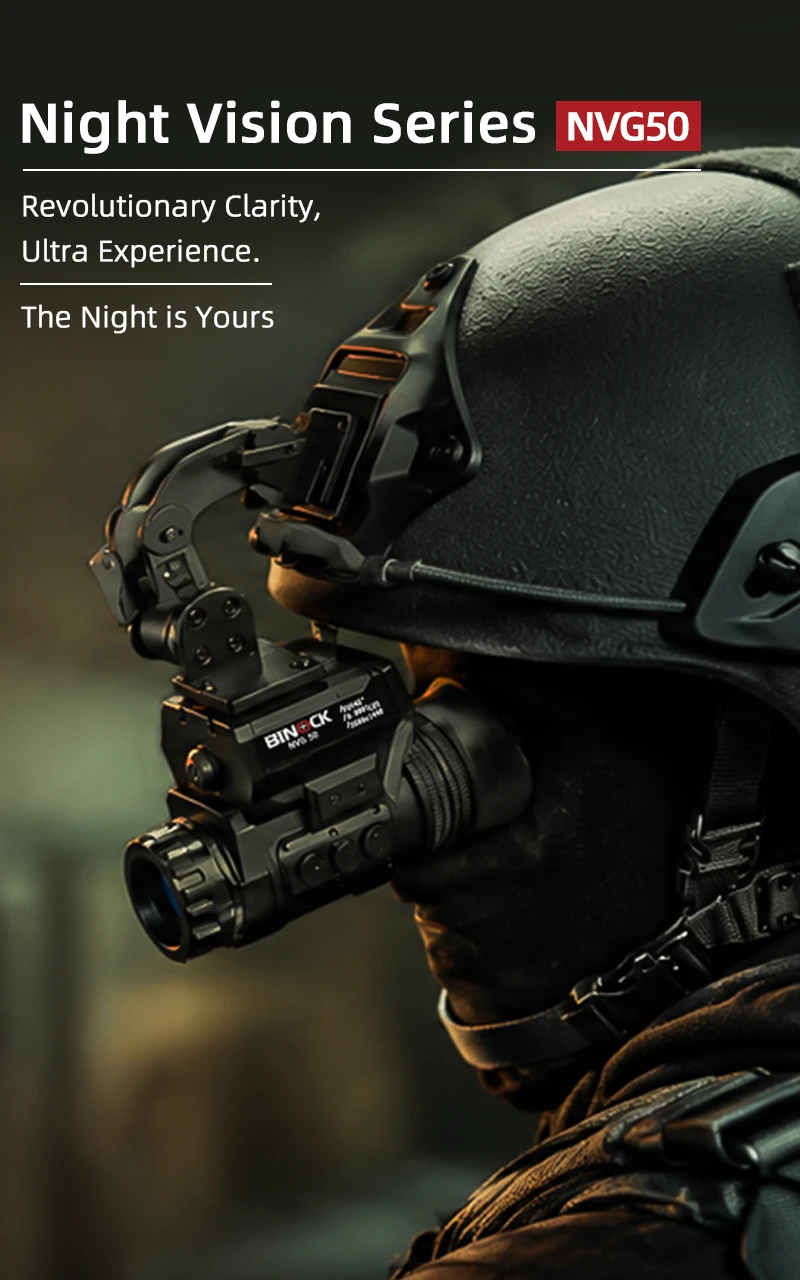

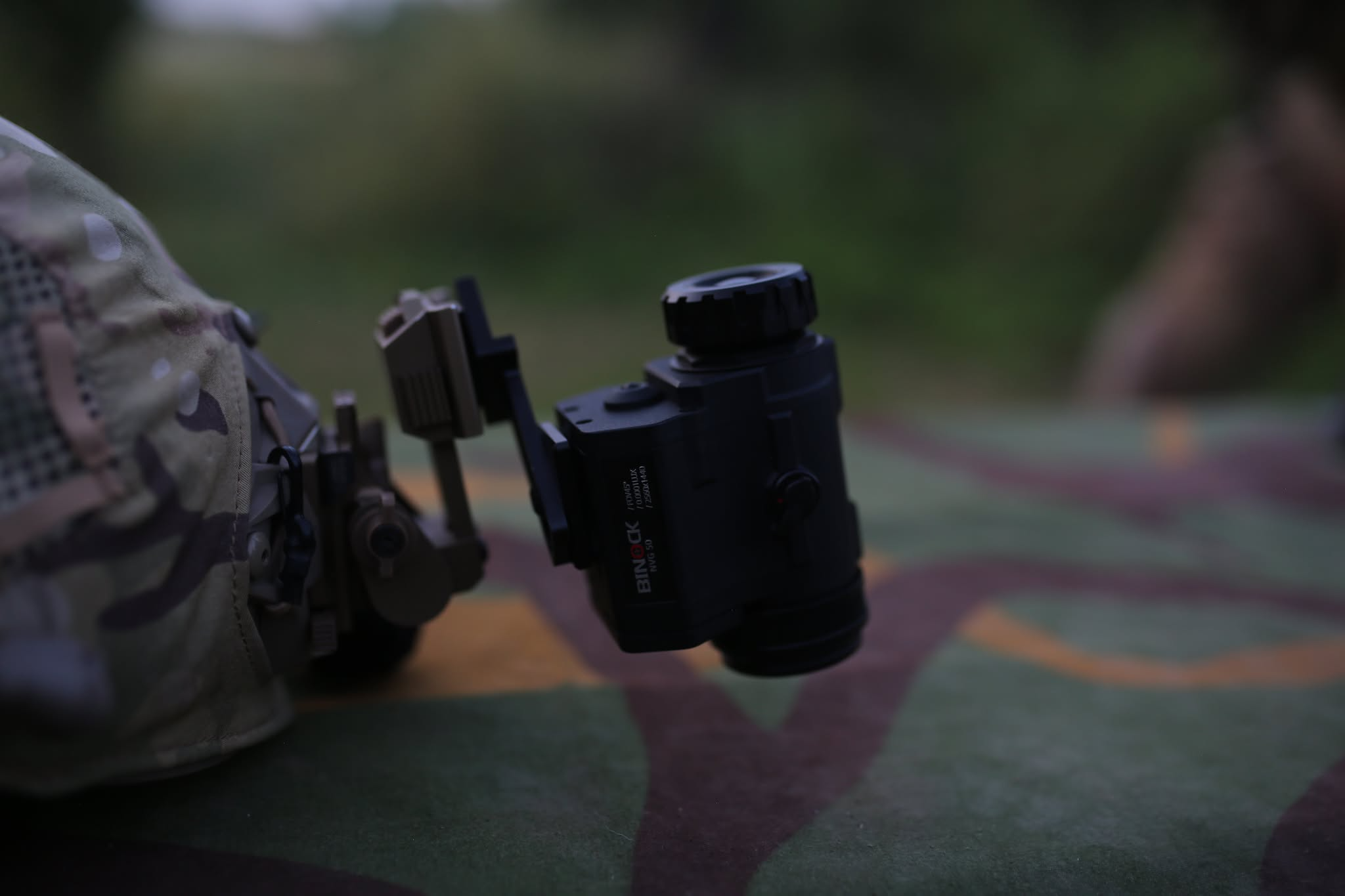
A clear night sounded like a good choice for an outdoor test.
So that's what we did. We took our night vision equipment outside, picked a spot away from the usual distractions, and got ready to see how things looked in the dark.
No rain. No fog. The sky was clear.
You'd probably expect everything to go pretty smoothly under those conditions. We did, too, at least to some extent. But spending time testing equipment outdoors always gives you things to think about. The conditions that seem ideal at first aren't necessarily the ones that make observation easy.
And that got us thinking about something people don't always consider when choosing or using night vision: Why can a perfectly clear night still be a difficult night for observation?
It's a fair question. If there's no fog, no rain, and nothing obvious blocking your view, what else is there to worry about?
Quite a bit, as it turns out.
Clear Weather, Very Little Light
Here's something we tend to take for granted during the day: being able to see.
Sunlight does most of the work for us. We don't usually stop to think about how much light we need to recognize a tree, spot a person across the road, or pick something out of the grass.
At night, we notice the difference pretty quickly.
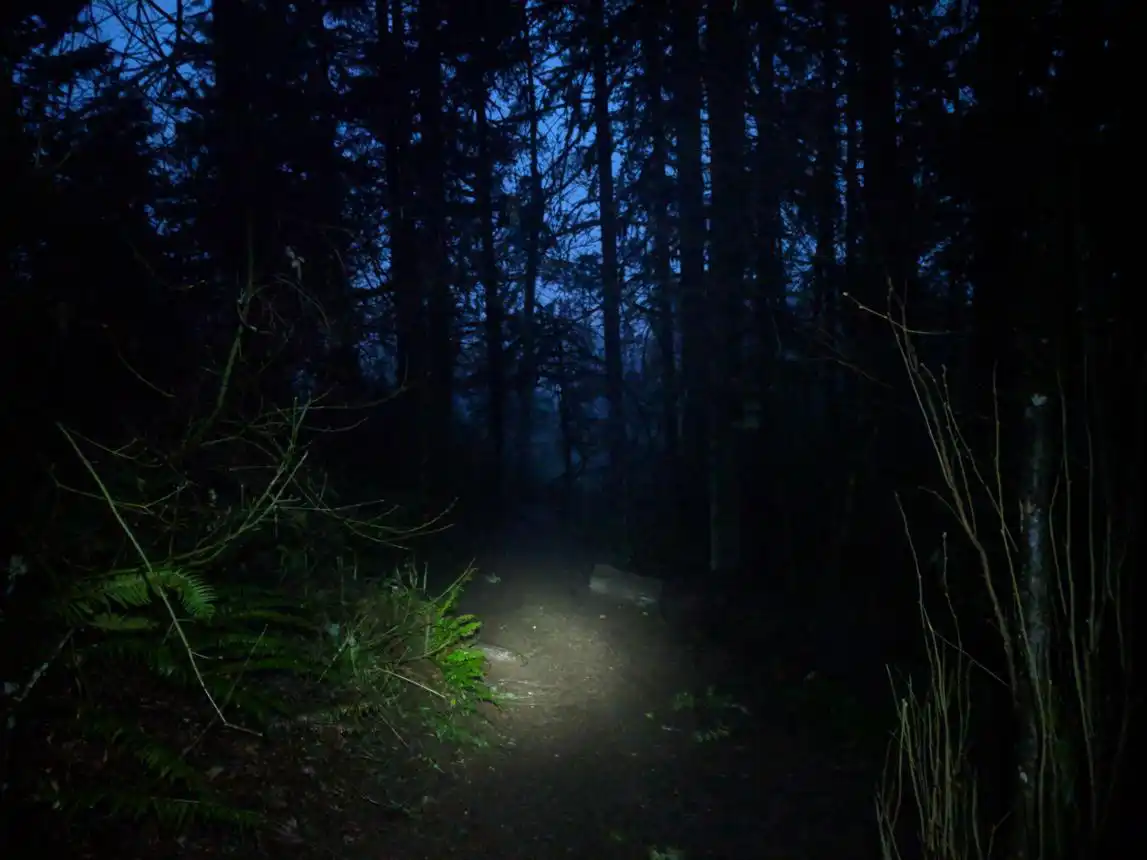
A cloudless sky doesn't necessarily give you much light to work with. Think about the difference between walking outside under a bright moon and standing in the same place on a moonless night. Both nights might be perfectly clear, but the second one can feel like a completely different world.
Traditional image-intensifier night vision depends on the light already available in the environment. It gathers faint light and amplifies it, making the scene easier to see. When there's very little light to begin with, the viewing experience can change.
That's also why the moon, nearby lighting, and the surroundings can matter more than we might expect.
Some digital night vision devices offer another option: infrared illumination. Instead of relying entirely on the visible light around you, they can use infrared light to help illuminate a scene. Of course, how much this helps depends on the equipment and the situation.
So, the next time you head outside on a clear night and wonder why everything still looks so dark, don't blame the weather just yet.
The sky might be clear. The light might simply not be there.
You Can See It. But What Exactly Are You Looking At?
This is where things get a little more interesting.
Imagine you're looking across an open field. Something moves near the trees. You bring up your night vision device and catch a shape in the distance.
Great. You've spotted something.
But can you tell what it is?
Maybe it's an animal. Maybe it's a person. Maybe it's just a branch moving in the wind. Seeing a shape is one thing; working out what that shape represents is another.
People sometimes talk about detection range as if it tells the whole story. It doesn't. Being able to detect a target doesn't automatically mean you'll be able to recognize it, let alone make out its finer details.
The background can make a surprising difference here. A target that stands out clearly against its surroundings may be relatively easy to spot. Put something similar in front of a dark, cluttered background, and suddenly it's much harder to pick out.
Distance doesn't help, either. As a target gets farther away, it usually takes up less space in the image. Small details become harder to distinguish, even if you can still see the general outline.
And, naturally, the equipment matters. The sensor, lens, resolution, focus, and image processing all contribute to what eventually appears on the screen.
This is why we think it's useful to ask a more specific question when evaluating night vision: What do you actually need to see?
If you're simply trying to notice movement, your needs may be quite different from those of someone who needs to recognize a particular object at a distance. The right device for one situation isn't automatically the right choice for another.
No, Night Vision Isn't X-Ray Vision
We know this sounds obvious, but it's easy to forget when you're looking through a device designed to help you see in the dark.
Night vision can reveal details that are difficult for the naked eye to pick out. That doesn't mean it can overcome every obstacle in front of you.
If a thick branch is blocking your view, the branch is still there. If a target is hidden behind a wall, turning on your night vision device won't suddenly make the wall transparent.
Sometimes, the simplest solution is to move a little and find a better angle.
There are a few other things worth checking when the image isn't quite what you expected. Is the focus right? Are you holding the device steadily? Have you zoomed in so far that the narrower field of view is making observation more difficult?
More magnification sounds great on paper, but bigger doesn't always mean clearer. If the image is already blurry, zooming in may just give you a closer look at the blur. Hand movements can also become more noticeable at higher magnification.
Anyone who's tried to photograph something far away with a phone has probably experienced a version of this. You pinch the screen to zoom in, expecting to see every little detail, and end up with a larger image that isn't nearly as sharp as you'd hoped.
Night vision equipment has its own technical limitations, of course, but the general idea is familiar: magnification can't magically create detail that the imaging system hasn't captured.
And there's one more thing to keep in mind. Not all night vision devices work in the same way.
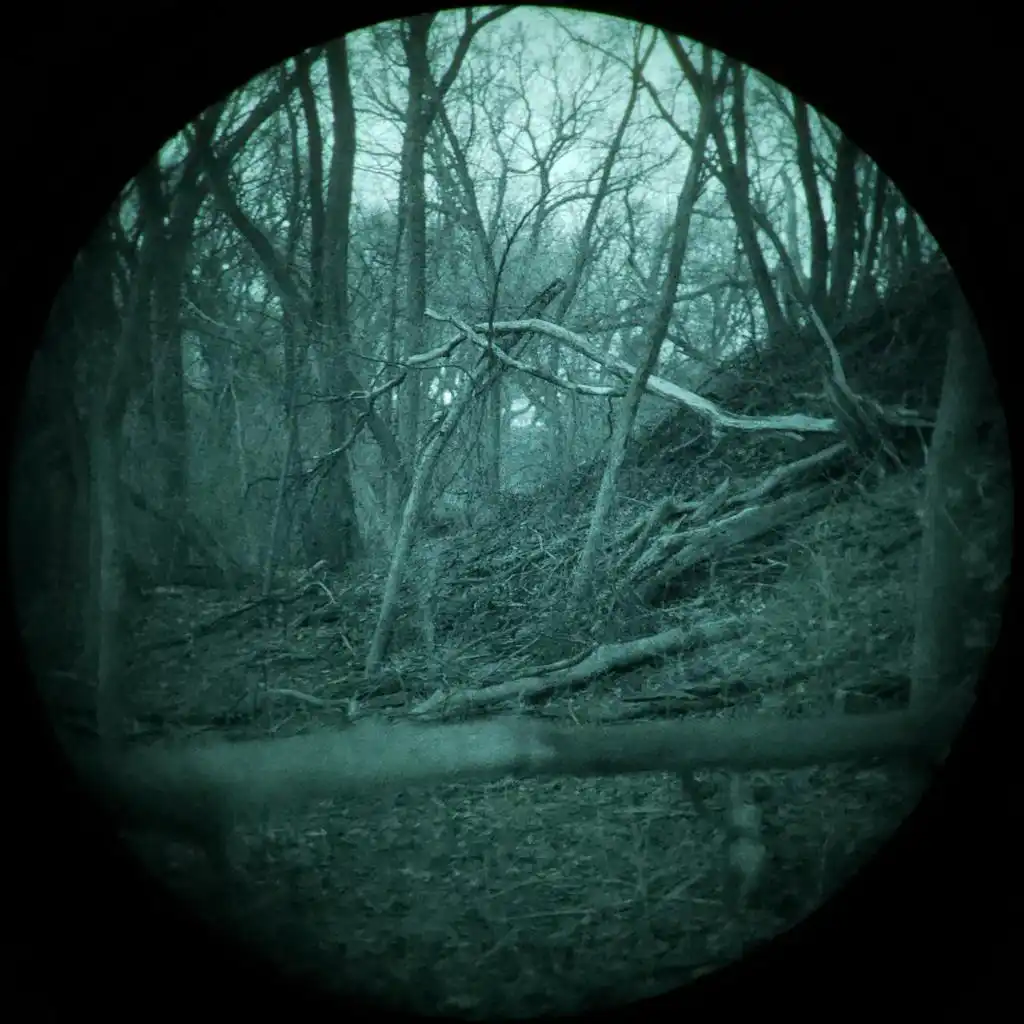
Traditional image-intensifier devices amplify available light. Digital night vision captures and processes images electronically, with some models using infrared illumination. Thermal imaging takes a different approach altogether, creating images from infrared radiation emitted by objects and differences in thermal information.
That last distinction is important. Thermal imaging doesn't rely on visible light in the same way conventional night vision does, but it isn't magic either. Weather, distance, the temperature contrast between a target and its surroundings, and the equipment itself can all affect what you see.
In short, there's no single trick that makes every nighttime scene easy to observe. The technology, the environment, and the way you use the equipment all have a part to play.
This Is Why We Like Testing Equipment Outdoors
Reading specifications is useful. We need them to understand what a device can do, compare different options, and work out whether a product is suitable for a particular application.
But numbers don't tell us everything about what it's like to use a device outside.
A clear night can still be very dark. A visible shape can still be difficult to identify. And a device that works well in one setting may give you a different experience when the surroundings change.
These are the kinds of things we want to understand when testing our products.
Sometimes, the useful part of a test isn't discovering something dramatic. It's noticing a small detail, asking why it happened, and taking the time to understand it. Those little observations can be just as valuable as checking whether a device meets its specifications.
They also remind us that using night vision isn't only about choosing the right equipment. Knowing what to expect from it, understanding the environment, and learning how to use it properly all matter.
And honestly, these are not questions that manufacturers should answer alone. People who use the equipment in the field often notice things that wouldn't necessarily come up in a product discussion or a specification sheet.
That's one reason we value hearing from our customers.
Curious About Something? Talk to Us.
Maybe you've noticed that your night vision image looks different on different nights. Maybe you can spot something in the distance but can't quite make out what it is. Or perhaps there's a feature you've been using for a while, but you've never been entirely sure how it works.
These are all fair questions.
Nighttime conditions can be unpredictable, and sometimes the answer depends on more than one thing. The device, its settings, the surroundings, and the way it's being used may all be relevant.
If you're using BINOCK night vision equipment and run into something you're unsure about, you're always welcome to get in touch with us. Tell us what you've noticed, ask us about a feature, or share a question from your own experience. We'd be happy to talk it through with you.
We don't think the conversation should end when a product leaves the factory or arrives at a customer's door. Real-world feedback matters, and so does having someone you can ask when something doesn't quite make sense.
After all, the best questions don't always come up during a product demonstration. Sometimes they come later, when you're out there using the equipment for yourself.
And when they do, we'd love to hear about them.


