


Why Does It Take So Long for Our Eyes to Adjust to the Dark?



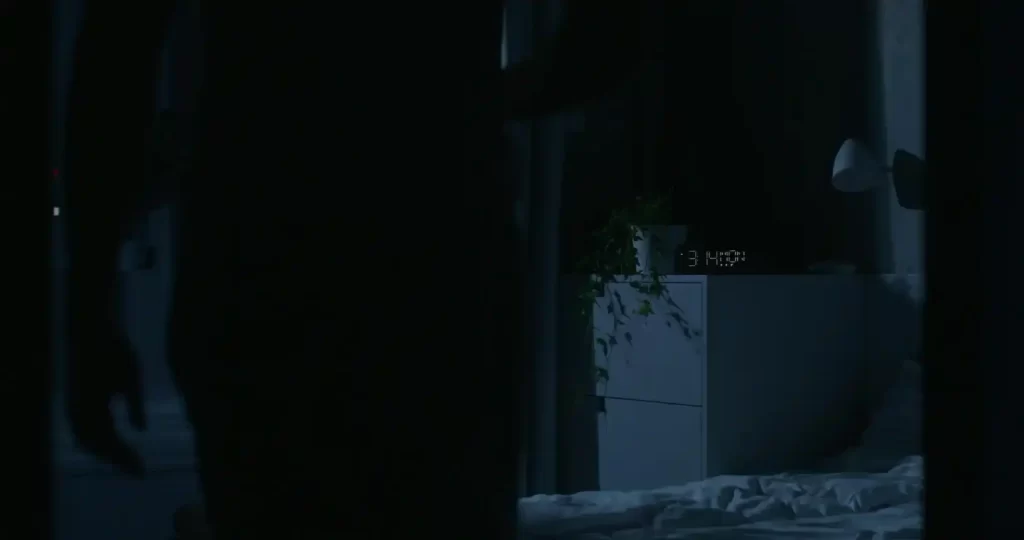
I always find the first few seconds after turning off the lights a little funny.
I know exactly where everything is in my room. The bed is right there, my slippers are somewhere near the door, and the glass of water is probably still on the table. But suddenly, I can barely see any of it.
So I stand there for a moment, waiting for my eyes to catch up.
A little later, the furniture starts to appear. I can make out the doorway, avoid bumping into things, and eventually find my way around without using my phone as a flashlight.
It's a pretty ordinary experience. Most of us have probably done this hundreds of times without thinking much about it.
But why does it happen? Why can't our eyes just adjust the moment the lights go out?
Give Your Eyes a Minute. Or Maybe a Few More.
The first thing that happens when you walk into a dark room is that your pupils begin to get bigger. They're trying to let more light into your eyes.
You can actually notice the opposite when you step outside on a bright sunny day. Your pupils get smaller to limit the amount of light entering your eyes.
But there's more going on than just your pupils opening and closing.
Your eyes have two types of light-sensitive cells called rods and cones. Cones are responsible for seeing colors and fine details, and they work best when there's plenty of light. Rods are much more sensitive to dim light, which makes them especially useful after sunset.
The funny thing is, rods don't reach their full sensitivity right away.
They need time to adjust. In fact, full dark adaptation can take around 20–30 minutes, sometimes longer depending on the lighting conditions beforehand.
That's quite a difference from the few seconds it takes to walk into a dark bedroom.
And have you noticed that colors seem to disappear at night? Your blue shirt might look almost gray, and that green plant in the corner becomes little more than a dark shape.
That's because your eyes are relying more on rod cells in low light. They're good at detecting shapes and movement, but not at giving you the same color information as cone cells.
So if you've ever mistaken a pile of clothes for a mysterious creature in the corner of your room, there's a perfectly reasonable explanation.
Your Phone Is Not Helping
Here's a small experiment you probably don't need to try because you've already done it.
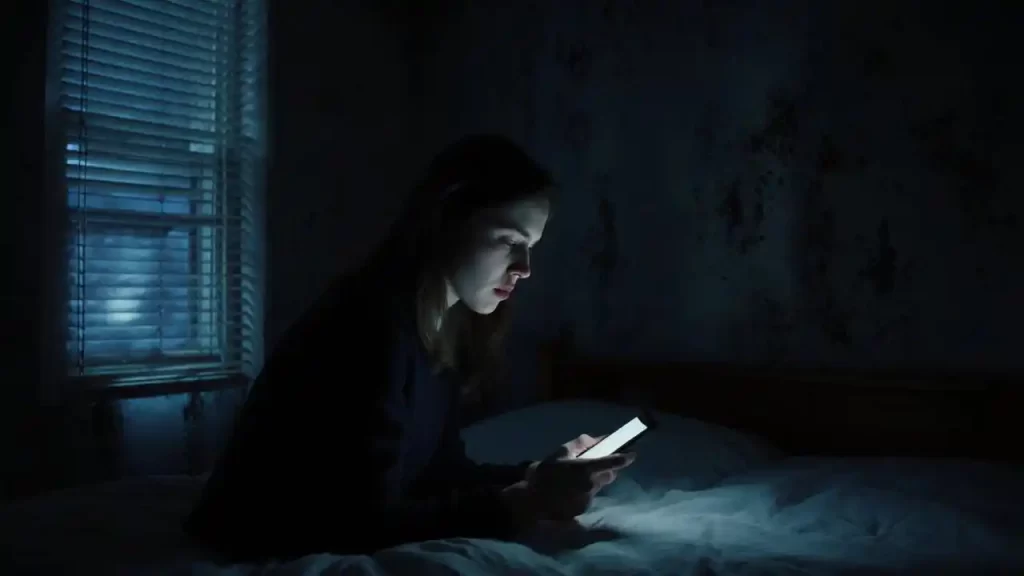
Turn off the lights, give your eyes a few minutes to adjust, and then unlock your phone.
Suddenly, that bright screen feels almost painfully bright. Put it away, look around, and the room may seem darker again.
This happens because your eyes have to deal with another sudden change in brightness. The bright screen can interfere with your dark adaptation, especially if you're looking at it for a while.
The same thing happens when someone turns on a flashlight right in front of you.
This is also why people working in dark environments often try to avoid unnecessary bright lights. Even a quick look at a bright screen can make the next few moments less comfortable when they return to the dark.
Of course, nobody needs to give up their phone just because they're going outside at night. But if seeing in low light matters, it's worth being a little more careful with bright light.
Getting Used to the Dark Doesn't Mean You Can See Everything
There's another thing worth mentioning: even after your eyes have adjusted, darkness still has its limits.
You might be able to see a tree, a fence, or someone walking nearby. But ask yourself to identify a small object farther away, and things become much harder.
Your eyes are making better use of the light available, not producing extra light out of nowhere.
Weather can make things worse, too. Fog, rain, dust, and other obstacles affect how much light reaches your eyes. And if there's almost no visible light around, even fully adapted eyes won't have much to work with.
This is where I started finding night vision technology interesting.
It's not simply about making everything look brighter. A night vision device uses its own imaging system to capture information that our eyes struggle to pick up.
What Is a Night Vision Device Actually Seeing?
Let's take digital night vision as an example.
Inside the device, there's an image sensor. Light enters through the lens and reaches the sensor, which converts it into electronic signals. The device then processes those signals and displays an image on the screen.
No waiting for your eyes to adjust. No need to rely on your pupils getting bigger.
Some digital night vision devices also come with an infrared illuminator. This sends out infrared light, which is generally invisible to the human eye. The light reflects off objects nearby, and the sensor picks up that reflected light to help produce an image.
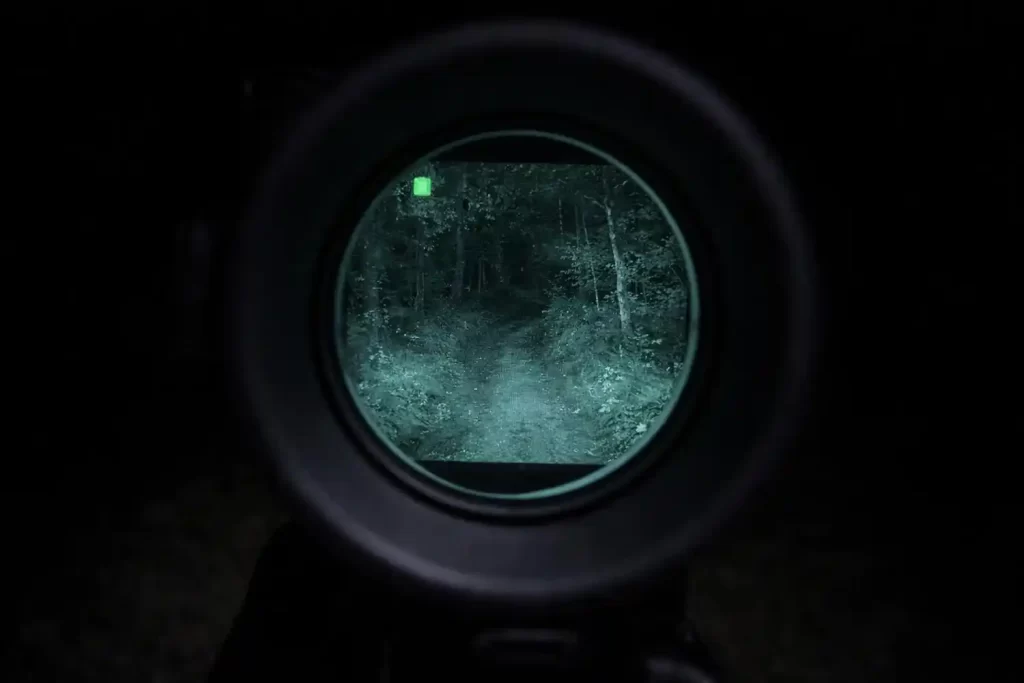
In other words, the device has another way of gathering visual information when ordinary visible light isn't enough.
That's a very simplified explanation, of course. The actual image quality depends on several things, including the sensor, lens, image processing, and whether infrared illumination is being used.
And one thing people sometimes overlook: turning on IR doesn't mean every device will produce the same result. The illuminator's power, beam angle, and the surrounding environment all make a difference.
So, What Should You Look for in a Night Vision Device?
If you've ever compared night vision products online, you may have noticed how quickly the specifications start competing with each other.
One has more magnification. Another advertises a longer detection distance. A third has a different sensor resolution.
It's tempting to assume that the biggest number wins. But I'm not sure that's a very useful way to choose a product.
Imagine someone who mainly wants a device for occasional outdoor exploration. They probably don't need the same setup as someone using night vision equipment for regular nighttime observation.
And for airsoft users, things like image clarity, field of view, movement, and how visible the IR illuminator is to other players can matter much more than a long list of impressive numbers.
If you're sourcing products for a brand or distribution business, I'd start with a much simpler question: Who is actually going to use this device, and what do they expect it to do?
Once that's clear, comparing specifications becomes a lot easier.
At BINOCK, we work with digital night vision products and OEM/ODM partners. When discussing a product configuration, we usually start with the intended market and application rather than trying to put every possible feature into one device.
A product doesn't need to do everything. It needs to do the things its users actually care about.
The Next Time You Walk Into a Dark Room...
You might find yourself doing the same thing again: standing still for a few seconds, waiting for the furniture to come back into view.
It's a small reminder of how much work our eyes are doing without us even noticing.
We adapt to the dark, but we don't suddenly gain the ability to see in complete darkness. There are still situations where our eyes simply aren't enough.
And that's where night vision technology comes in.
Sometimes, a little patience is all you need. Sometimes, a little technology helps you see what you otherwise would have missed.
Share on Social:


- PREV: Should You Launch an Entry-Level or Premium Night Vision Product First?
- NEXT: Not NEXT
