


Why a Good Night Vision Product Can Still Be Hard to Sell



Sometimes, I think product development is a funny process.
We spend a lot of time working on a night vision device. Can the image quality be improved? Are the features competitive enough? Does the design look right? Have we tested everything properly? Is there anything we can do to make production more efficient?
Then, after all the development work, the sample is ready. The tests look good, the specifications meet expectations, and everyone involved feels pretty confident about the product.
Naturally, we think we have made something good.
But getting a product ready is only one part of the story.
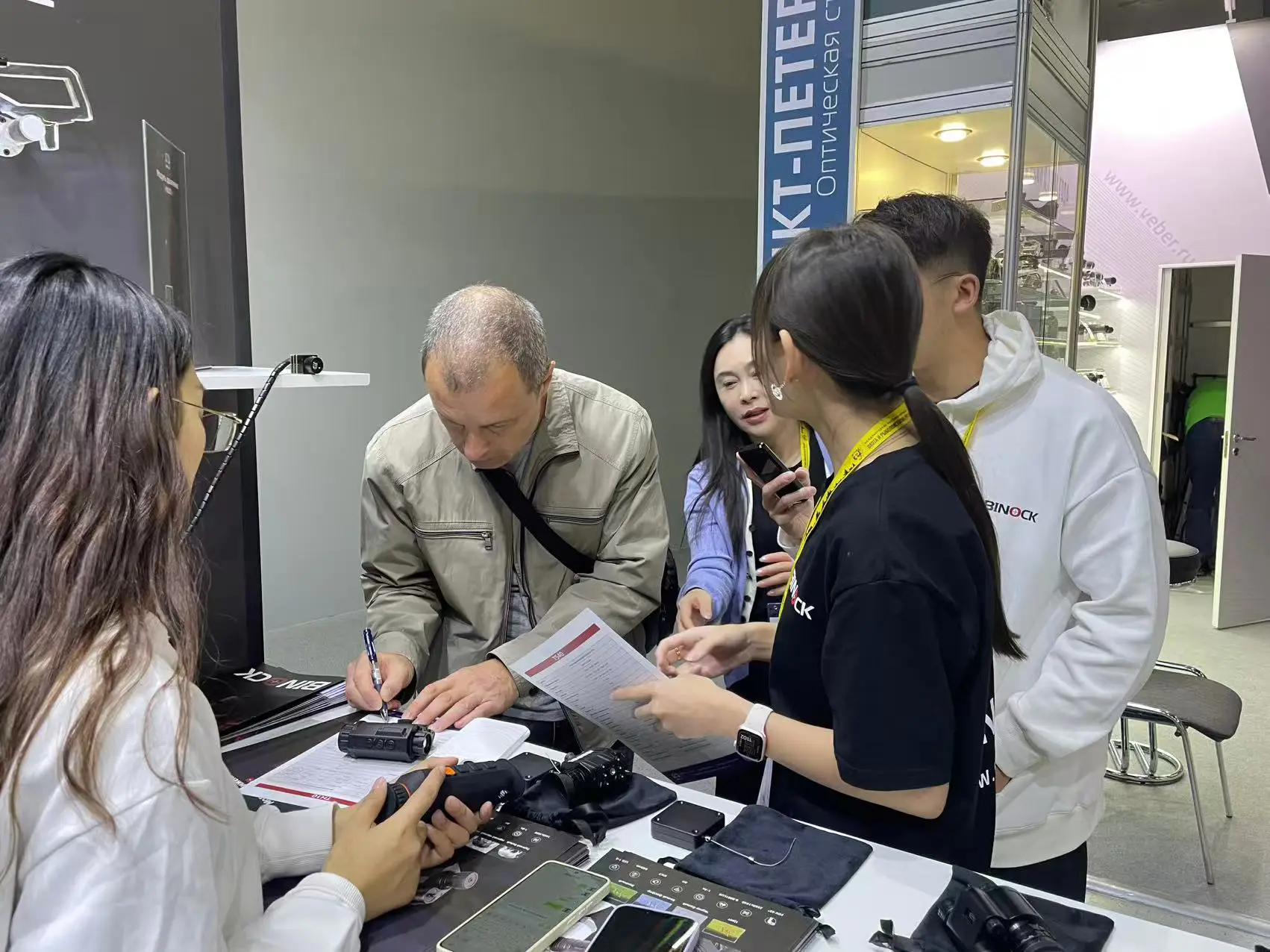
A buyer may like the sample, ask plenty of questions, and even take it away for testing. Yet when the conversation moves toward an actual order, things can suddenly slow down.
It isn't always because the product has a problem. Sometimes, the buyer simply hasn't figured out how to sell it yet.
Who would actually buy this device? How is it different from the other models already on the market? Why would customers choose it? And perhaps the biggest question: does it make commercial sense for my business?
That got me thinking about something. A product can be good from a manufacturer's point of view without being an easy product for buyers to sell.
A Good Product, But Who Is It Actually For?
I think this is one of the easiest questions to overlook during product development.
When we work on a night vision device, it's natural to focus on the product itself. We look at magnification, detection range, infrared illumination, display resolution, recording functions, and all the technical details that make the device work.
We want the product to be competitive. Sometimes, we even want to add as many features as possible.
But buyers don't all look at a product in the same way.
An outdoor brand may care more about the product's appearance, user experience, and whether it fits naturally into its existing product range.
A night vision distributor may be thinking about wholesale pricing, profit margins, and whether there is enough demand in their market.
Buyers serving professional users may pay much closer attention to performance, reliability, and technical specifications.
An e-commerce seller, on the other hand, might be wondering whether the product is easy to demonstrate online, whether customers can understand its features quickly, and whether it could lead to too many returns or after-sales questions.
The same device can look very different depending on who's buying it.
That's why I've started to think that product development should involve one more question besides "What can we make?"
It should also be "Who would actually need this?"
A product doesn't necessarily need to do everything. Sometimes, it just needs to do the right things for a clearly defined group of customers.
Trying to appeal to everyone can make a product harder to position. If buyers can't quickly understand who it's designed for, it's much harder for them to figure out where it belongs in their product lineup.
More Features Don't Automatically Mean More Sales
This is something I find particularly interesting in the night vision industry.
There are plenty of features that can be added to a digital night vision device: digital zoom, infrared illumination, video recording, different display modes, and various menu settings.
From a manufacturing and development perspective, adding features can involve quite a bit of work. It may also increase the overall cost of the product.
But does a longer feature list automatically make a device more attractive to buyers?
I'm not so sure.
Let's say we introduce a device by saying it supports 8x digital zoom.
That's a useful specification, of course. But a buyer might immediately wonder: What does the image actually look like at 8x? Is it still clear enough to be useful? In what situations would someone need that level of zoom?
Simply giving someone a number doesn't always help them understand its value.
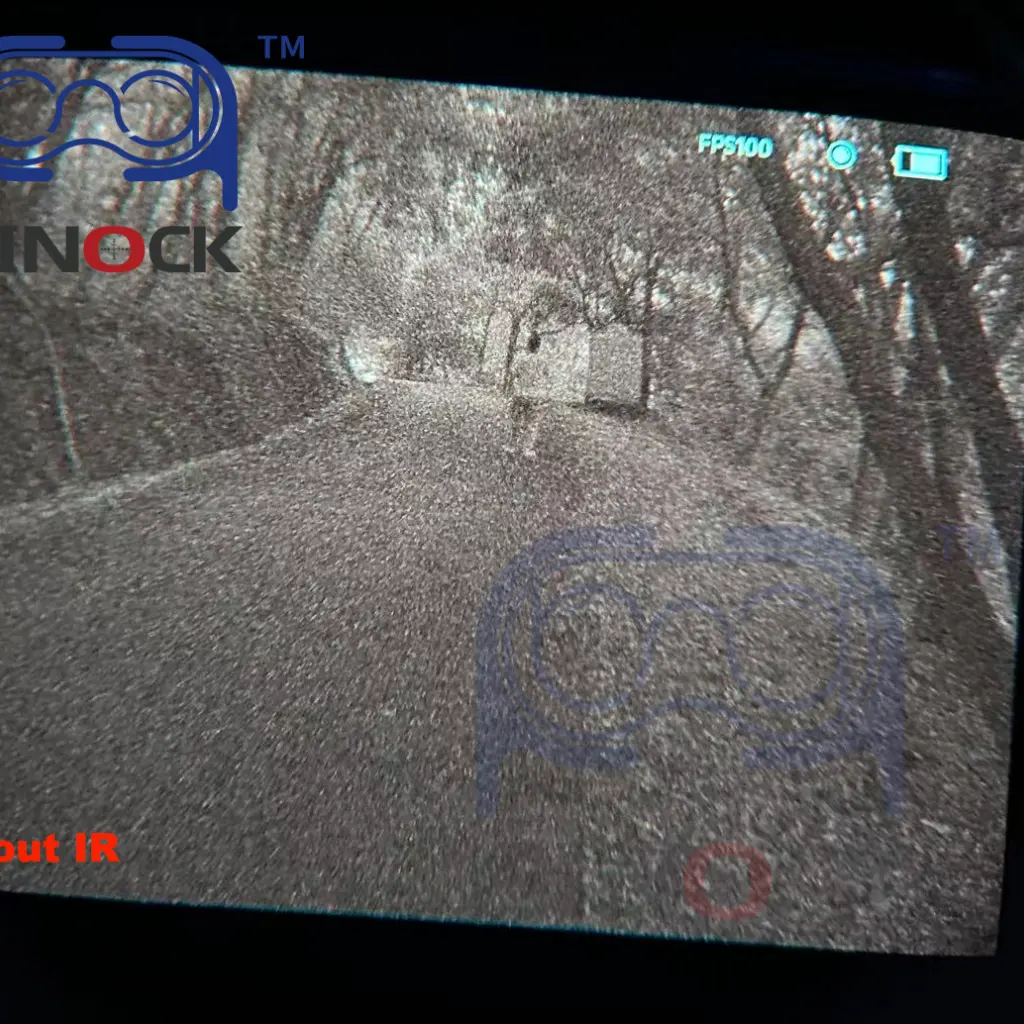
The same goes for infrared illumination. A device may offer several brightness settings, but without actual footage or a clear explanation, buyers may not know what difference those settings make in real use.
I've come to believe that a product introduction shouldn't just be a rewritten version of the user manual.
A feature becomes a selling point when people understand why it matters to them.
This is especially true for night vision products. Their performance can be difficult to judge from specifications alone. Actual footage in different lighting conditions, comparisons with IR switched on and off, and examples at different distances can often tell buyers much more than a long list of technical numbers.
That doesn't mean specifications are unimportant. For professional buyers, they are still essential. But if we want more people to understand a product, we need to show what those specifications mean in practice.
A Price That Makes Sense to the Factory May Not Work for the Market
Pricing is another area where manufacturers and buyers can look at exactly the same product and reach very different conclusions.
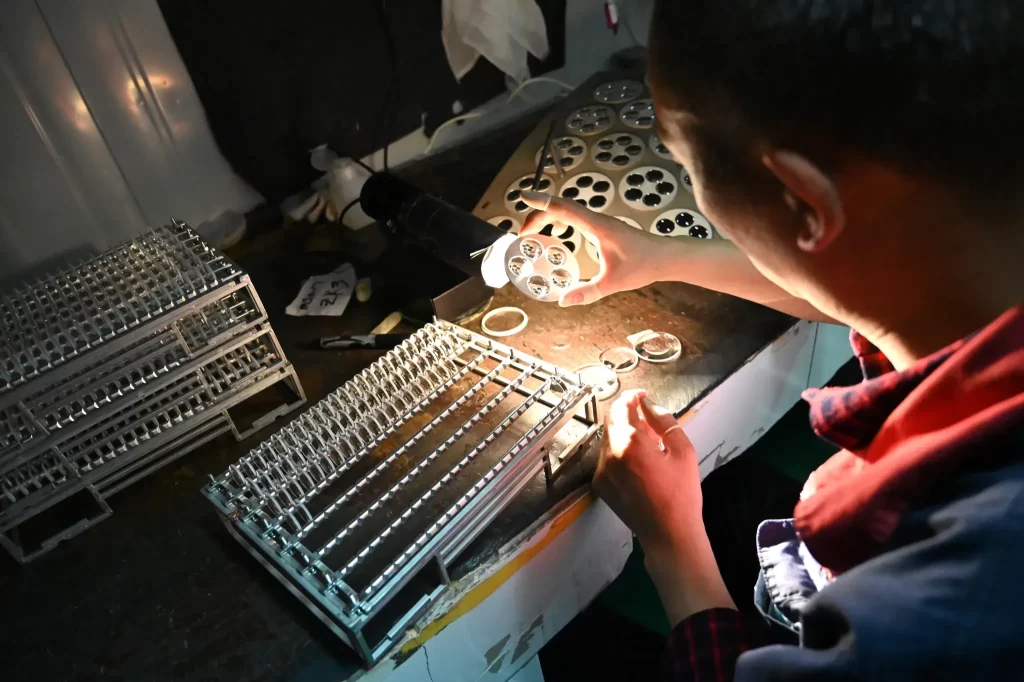
When calculating the cost of a night vision device, manufacturers consider components, materials, development costs, production processes, quality control, packaging, and other operating expenses.
From our side, a quotation may look perfectly reasonable.
But buyers have a different calculation to make.
They need to consider shipping, warehousing, marketing expenses, sales channel costs, and the final retail price. More importantly, they need to decide whether customers in their market are actually willing to pay that price.
For example, a device with more advanced features may naturally cost more to manufacture. But if the final retail price is already beyond what the target customers are comfortable paying, those extra features may become a purchasing obstacle rather than an advantage.
On the other hand, a more affordable model with a simpler feature set might be a much better fit for a particular market.
I don't think pricing should be judged from the manufacturing side alone.
Production costs influence what a supplier can offer, but perceived market value influences what a buyer is willing to pay.
Finding a balance between the two is important.
That's also why understanding a buyer's target market, customer group, and expected price range can make product discussions much more productive. Sometimes, these details are just as important as discussing the technical specifications.
Buyers Can't Sell What They Can't Explain
Here's another practical issue that I think deserves more attention.
Imagine a buyer has received a night vision device, tested the sample, and found that it performs well.
Everything seems fine. But when they start preparing to sell it, they realize there's still quite a bit of work to do.
Maybe there aren't enough product images. The differences between models aren't clearly explained. The specifications are too technical for ordinary customers to understand. There is no real-use footage to demonstrate the device, and the sales team isn't quite sure how to introduce its features.
So, instead of simply preparing the product for sale, the buyer has to spend extra time organizing information, arranging photography, creating videos, and explaining the product to their own team.
These tasks may seem unrelated to manufacturing, but they can have a real impact on how easily a product enters the market.
I believe the support a manufacturer provides shouldn't stop at production and delivery.
Clear specifications, model comparison sheets, product photos, demonstration videos, user manuals, and answers to common questions can all make a buyer's job easier.
For customers looking for OEM or ODM cooperation, support can go further. Product appearance, feature configurations, accessories, and packaging may all need to be adjusted to suit a particular market.
To me, making a product easier to understand, present, and sell is also part of developing a good product.
A Good Sample Doesn't Guarantee a Smooth Long-Term Partnership
There's one more thing I think buyers should keep in mind.
Passing a sample test doesn't automatically mean everything will go smoothly after an order is placed.
A sample might be just one device. A bulk order is a completely different situation.
Will the quality remain consistent across the whole batch? Are assembly standards reliable? Can the production schedule be maintained? Will repeat orders arrive on time? And if something goes wrong, how quickly can the supplier respond?
These questions may not come up when someone first examines a sample, but they become increasingly important during a long-term partnership.
For buyers, choosing a new product also means taking on a certain amount of business risk.
If the product sells well, they need a supplier who can support repeat orders. If quality issues arise, they need someone willing to help resolve them. And if market feedback suggests that an adjustment is needed, they may want to work with the manufacturer on improvements.
That's why I wouldn't judge a supplier's capabilities based on one impressive sample alone.
The sample is where cooperation begins. Consistent bulk production, reliable delivery, and ongoing support are what make the partnership work over time.
A product needs to perform well in testing, of course. But it also needs to make it through the entire journey from production to delivery without giving the buyer unnecessary headaches.
Are We Introducing Products From the Manufacturer's Point of View Too Often?
After thinking about all this, I keep coming back to one question.
Do manufacturers sometimes spend too much time explaining what a product has, and not enough time understanding why a buyer needs it?
We talk about digital zoom magnification, but don't always show what the image looks like when zoomed in.
We highlight infrared brightness settings, but don't explain how they can be used in different nighttime environments.
We list all the available functions, but don't necessarily help buyers turn those functions into clear selling points for their own customers.
I don't think this means manufacturers don't understand the market. It's simply that our daily work naturally revolves around the product itself: how to design it, how to manufacture it, and how to maintain quality.
Buyers, meanwhile, have a completely different set of questions.
They need to decide whether the product fits their market, whether their customers will accept it, and whether the investment makes sense for their business.
I think good product communication starts when we understand both sides and find the common ground between them.
At BINOCK, this is something we pay increasing attention to. Alongside product performance and manufacturing quality, we also focus on providing clearer product information, practical demonstrations, and flexible OEM/ODM support to help buyers evaluate products with greater confidence.
Because what we want to deliver isn't just a night vision device. We want to provide something our customers can understand, position, and potentially build into a product line that works for their market.
A Good Product Also Needs a Good Reason to Buy
Looking back, I don't think the success of a night vision product comes down to any single specification.
A device may perform well but fall outside the target market's price range. It may have plenty of features but no clearly defined customer group. It may pass sample testing but lack the product information and supply support needed for a successful launch.
None of these necessarily means the product itself is bad. They simply remind us that manufacturers and buyers don't always look at a product from the same angle.
I used to think that if we made a product good enough, buyers would naturally recognize its value.
Now, I think there's another step.
We need to understand not only how to make a good night vision device, but also why it's worth buying, who it's suitable for, and how we can help buyers introduce it to their own customers.
A good product can get a buyer's attention. But a product that makes sense for the market gives them a real reason to place an order.


