


How to Choose Digital Night Vision Goggles for Hunting


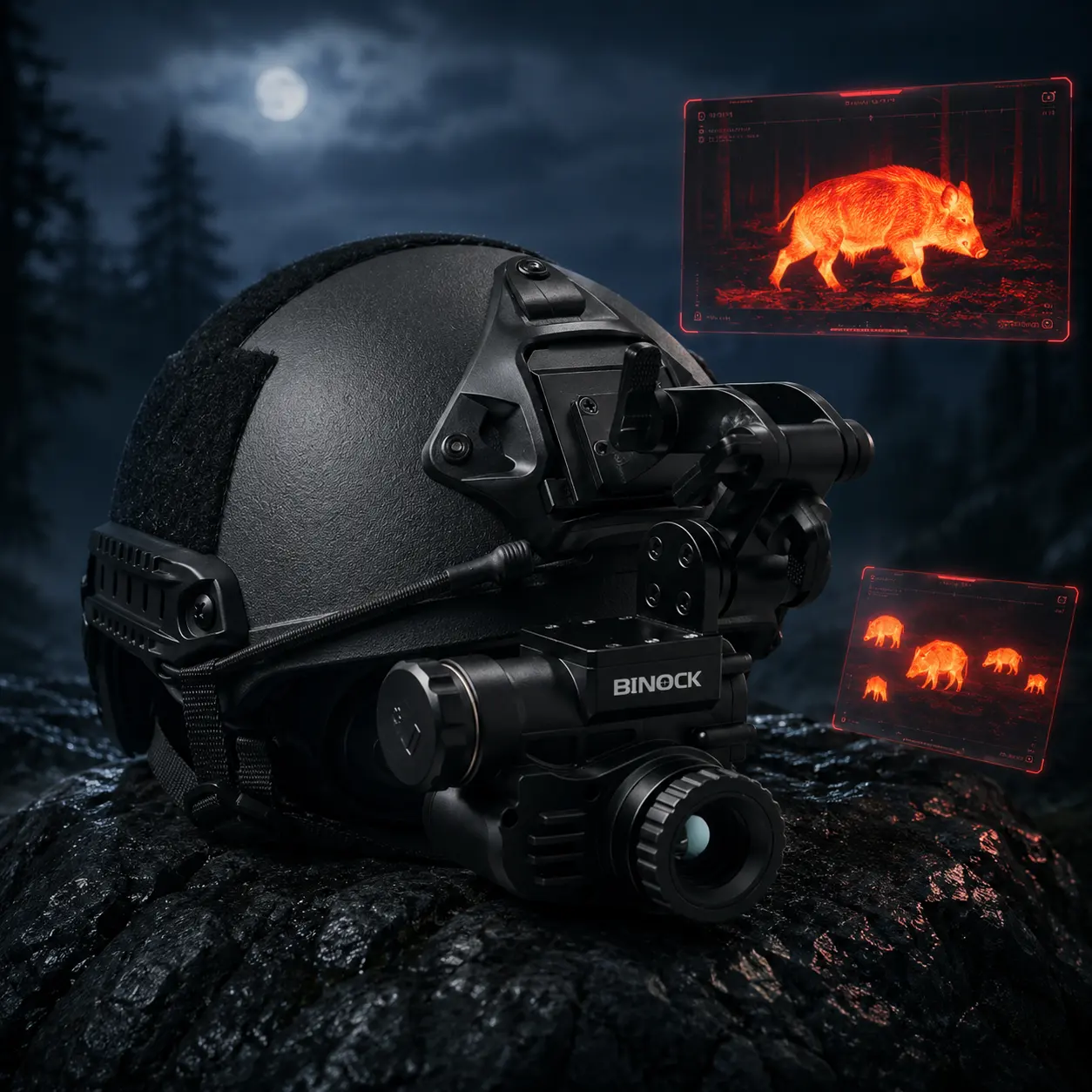

The darkness is no longer a barrier. For the modern hunter, the ability to track feral hogs, coyotes, or predators at night is not just an advantage; it is often a necessity. However, walking into the world of nocturnal optics can be overwhelming. Do you need a thermal monocular for spotting heat signatures? A military night vision device for rugged durability? Or a consumer-grade night vision camera for recording your hunt?
In this guide, we will break down the categories of night vision, the specific features hunters need, and how to match the right tool to your hunting style.
Part 1: Understanding the Landscape – The Three Classes of Night Vision Goggles
Before you spend a dollar, you need to know what you are looking at. You will generally find three distinct categories of devices.
1. Analog (Image Intensifier Tube)
This is classic "Gen 2/3" technology. It amplifies ambient light via a vacuum tube. A true military night vision device like the PVS14 or PVS31 represents the gold standard for zero-lag, crystal-clear performance. However, these units sit at a higher price point and require careful handling.
2. Digital Night Vision
This is the sweet spot for most hunters. Digital devices use a CMOS sensor (like your phone's camera) to capture light and display it on an internal screen. Modern digital night vision scope technology has advanced rapidly, offering features like video recording and Wi-Fi at a fraction of the cost of analog tubes. High-performance digital units like the BINOCK NVG90 and BINOCK NVG90SE / ADNV G14SE now bridge the gap between consumer and professional-grade optics.
3. Thermal
A thermal monocular does not "see" light; it sees heat. It detects the infrared radiation (body heat) emitted by animals. Thermal is superior for finding a warm body in dense brush or fog, but it struggles with species identification.
Pro Tip: Many serious hunters pair a thermal monocular (for scanning) with digital night vision goggles (for the final stalk and shot). This gives you heat detection plus clear visual ID.
Part 2: How to Choose – 5 Critical Features for the Hunter
Not all digital goggles are created equal. Here is what to look for when evaluating specs from any night vision goggles manufacturer.
1. Sensor Sensitivity (Lux Rating)
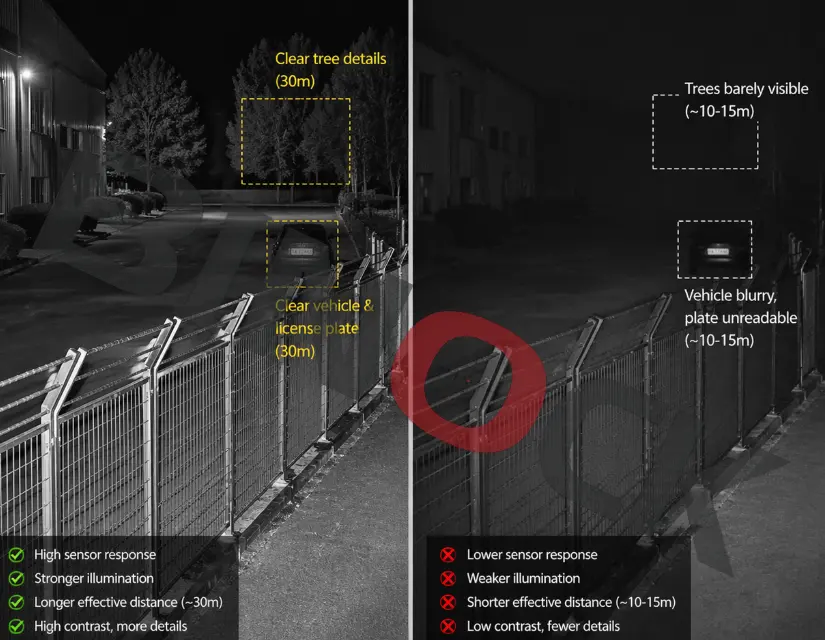
Ignore "Megapixel" marketing. Look for low-lux performance (0.0001 Lux or lower). A high-end military night vision device like the BINOCK NVG90 PRO / ADNV G14P2 excels in extreme low light. For digital units, look for "Starlight" level sensors.
2. Infrared (IR) Illuminator Power
Digital sensors need light. In pitch black, you rely on the built-in IR.
- 850nm IR: Bright, long-range, but produces a faint red glow.
- 940nm IR: Covert (no red glow), but shorter range.
- External Ports: Advanced night vision goggles like the BINOCK NVG30 and NVG90 allow you to attach external IR torches to extend range beyond 200 yards.
3. Refresh Rate (Hz)
A 30Hz refresh rate causes "lag" – the image trails when you move your head. For moving targets, you need 50Hz–60Hz. The BINOCK NVG90SE / Adnv G14SE and BINOCK NVG90 PRO / Adnv G14P2 are engineered with high refresh rates for smooth panning, essential for tracking running game.
4. Resolution & Recording
If you want to review your hunts, consider a unit that doubles as a night vision camera. The BINOCK NVG50 is designed for hunters who want high-fidelity recording alongside viewing capability.
5. Battery Life & Durability
You need all-night power (6–10 hours). Also, look for IP66/IP67 waterproofing. The BINOCK NVG90 series is built with rugged housings for field abuse.
Part 3: Matching the Goggle to the Hunt
The "best" device depends entirely on where and what you hunt.
Scenario A: The Open Field Hog or Coyote Hunter (50–150+ yards)
You are scanning agricultural fields. You need range and clarity.
- Needs: High-resolution sensor, external IR port, helmet or rifle mountable.
- Best fit: A rugged digital goggle like the NVG90 or the enhanced NVG90 PRO / ADNV G14P2 . For hunters wanting analog-grade performance, the ADNV G14P2 / NVG90 PRO is a military-grade alternative.
- Avoid: Low-lux sensors that fail without moonlight.
Scenario B: The Woods Walker (Deer recovery or coon hunting, <50 yards)
You are moving through thick timber. Weight and depth perception matter.
- Needs: Lightweight, wide field of view, comfortable for long wear.
- Best fit: The BINOCK NVG30 is an excellent choice for its balance of low weight, clear 1080p sensor, and helmet-mountable design. It is ideal for spot-and-stalk hog hunting or navigating back to the truck.
- Avoid: Heavy, bulky units that strain your neck.
Scenario C: The Professional / Low-Light Specialist
You hunt moonless nights or dense cover. You cannot afford lag or noise.
- Needs: Zero-lag performance, maximum light amplification.
- Best fit: A true military night vision device like the ADNV G14SE / BINOCK NVG90 SE (excellent balance) or the higher-spec G14P2 / NVG90 PRO (max performance). These deliver the clarity expected by law enforcement and professional hunters.
- Avoid: Consumer-grade digital units that struggle below 0.001 Lux.
Scenario D: The Content Creator / Analyst
You want to record, review, and share your hunts.
- Needs: High-resolution sensor, onboard storage, easy file transfer.
- Best fit: The BINOCK NVG50 functions as a high-end night vision camera first and a viewing device second. It turns your hunt into a replayable film for post-shot analysis or YouTube content.
- Avoid: Units with no recording capability or low-bitrate video.
The Scanning Companion (Thermal)
Regardless of your primary goggles, a dedicated thermal monocular changes the game. The BINOCK BTI10 is designed to detect the body heat of animals hiding behind light foliage or in tall grass. Use the BTI10 to locate the sounder 300 yards away, then switch to your NVG90 or G14SE / NVG90 SE for the stalk and shot.
Part 4: Where to Buy – Finding the Right Source
Once you have chosen your model, you need a reliable source.
1. Direct from the Night Vision Goggles Manufacturer
Buying directly from the night vision goggles manufacturer , like BINOCK Store ensures authenticity, the latest firmware, and a valid warranty. This is the safest route for high-value items
2. Specialized Hunting & Tactical Retailers
For hunters who want local support, specialized outdoor retailers are excellent. This is particularly true for military night vision device grades, which are often stocked by tactical suppliers serving law enforcement.
3. Authorized E-commerce Flagships
Platforms like Amazon or AliExpress have official storefronts for BINOCK and ADNV. Pro tip: Always verify you are buying from the "Official Store." If a price for a military night vision device seems too good to be true (e.g., 80% off), it is likely a counterfeit.
Final Checklist: Before You Click "Buy"
- Legality: Are you allowed to hunt with digital aids in your state? (Many prohibit them for deer but allow for predators.)
- The Mission:
- Scanning fields? Pair a BINOCK BTI10 thermal monocular.
- Walking/stalking? Get the BINOCK NVG30 or NVG90.
- Recording hunts? Get the BINOCK NVG50.
- Professional / Military-grade needs? Get the BINOCK NVG90 SE / G14SE or NVG90 PRO/G14P2.
- Accessories: Budget for an external 940nm IR illuminator for long-range work.
- Warranty: Ensure your night vision goggles manufacturer offers at least a 1-year warranty.
Conclusion
Look, at the end of the day, night hunting comes down to one thing: seeing what you're shooting at. No guessing. No second chances. Just clear, reliable vision when the sun is gone.
The right digital night vision goggles get you there. They don't have to cost a fortune, but they do have to fit how you actually hunt. Think about your distances. Your terrain. Whether you walk miles or sit all night. Then buy accordingly.
And one more thing — don't be the guy who unboxes his gear in the field for the first time. Take it out back. Learn the buttons. Figure out the IR throw. Practice until it feels natural.
The dark isn't going anywhere. Neither are the hogs or the coyotes. Now you've just got one less excuse.
Get your gear. Get out there. And don't take bad shots.


