


Why Is Night Vision Green? I've Always Wondered About This
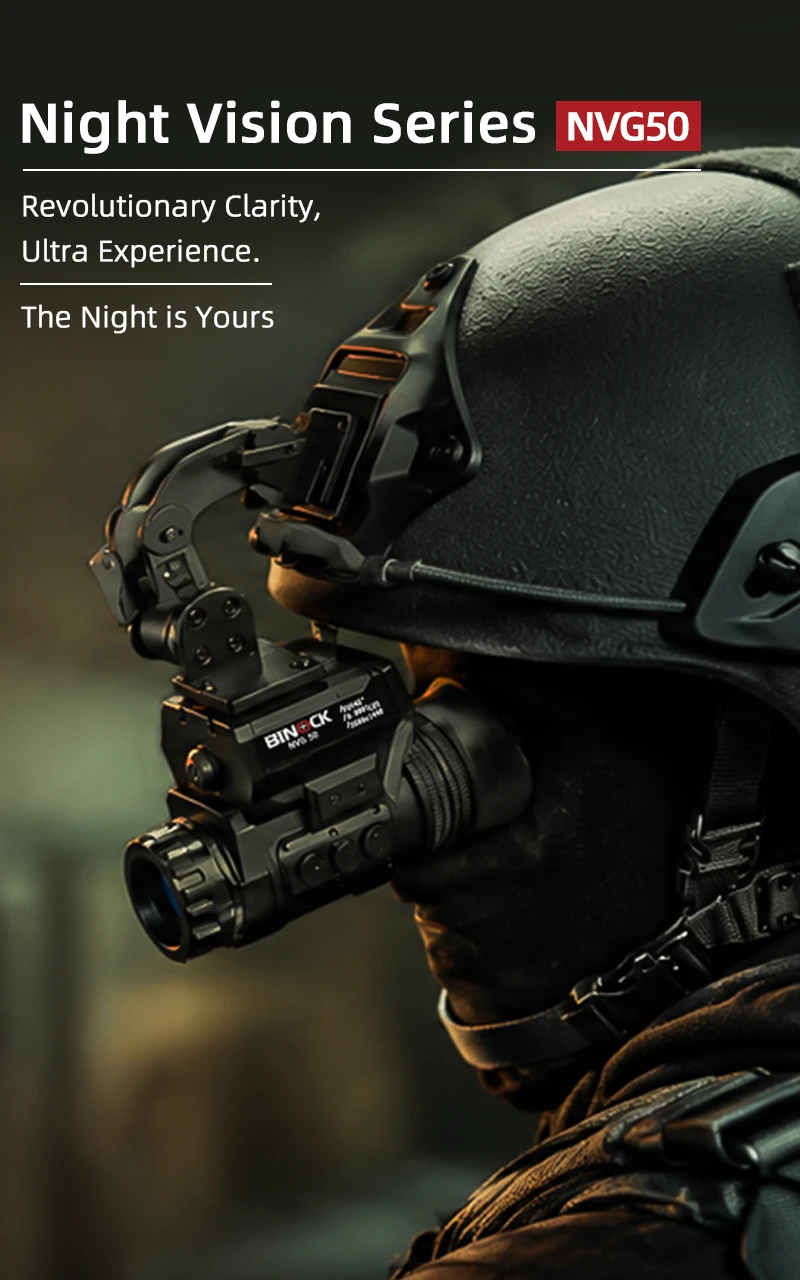

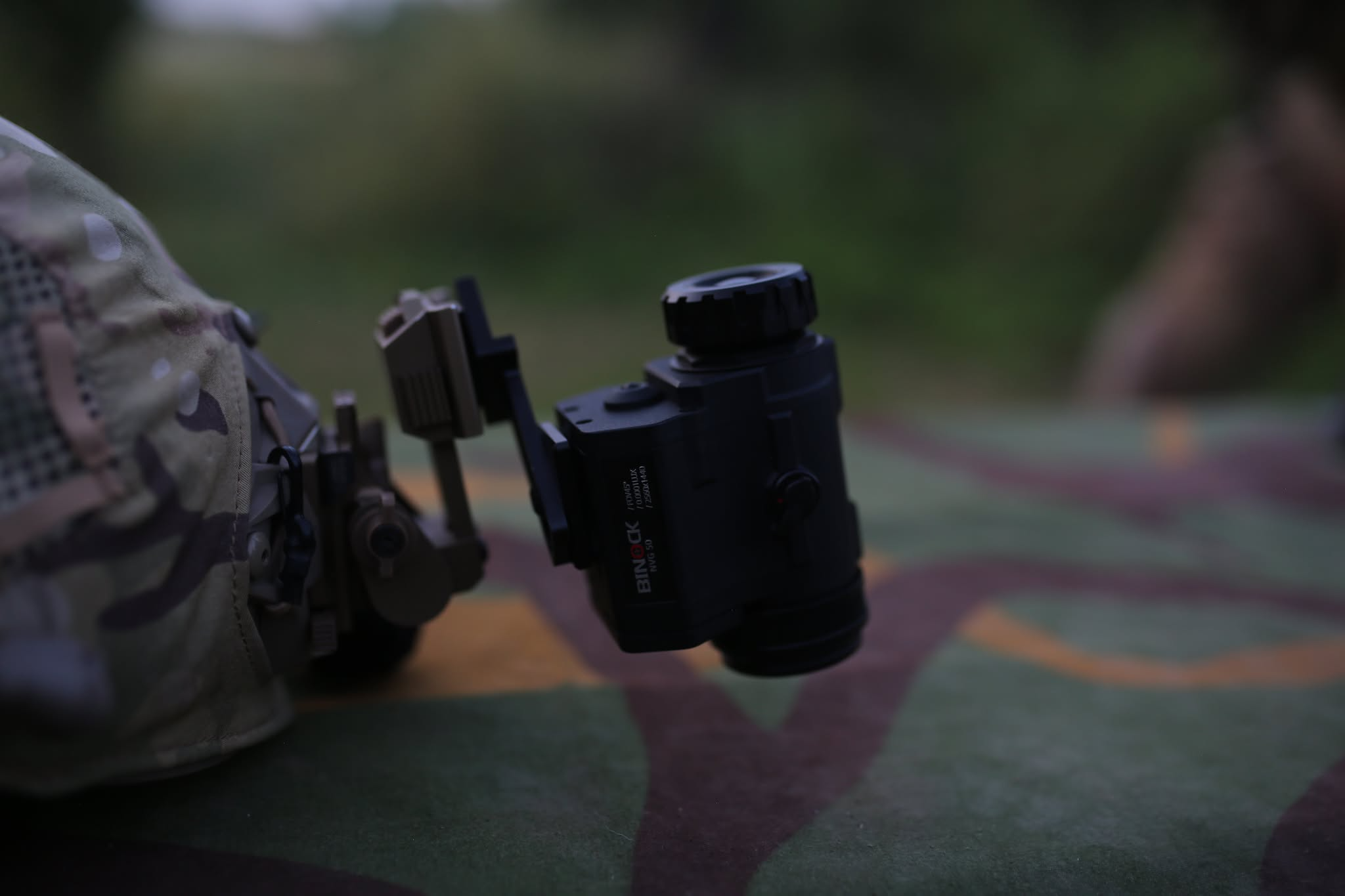
Whenever I watch a reality show with a nighttime challenge, I know what's coming before it even happens.
The contestants are running around in the dark. Someone is probably screaming because they think they saw something moving in the bushes. The camera cuts to another angle, and suddenly… everything turns green.
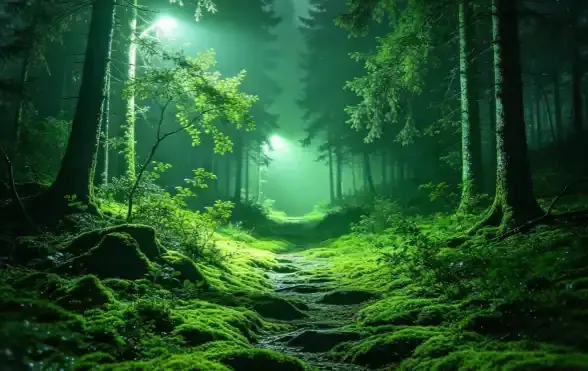
The people are green. The trees are green. The whole forest looks like it has been dipped in green paint.
I've seen the same thing in movies and TV dramas for years. Someone looks through a night vision device, and the familiar green image appears on screen. At this point, I almost feel like filmmakers aren't allowed to show night vision in any other color.
But why green, exactly?
I used to think it was just a technical thing, maybe because green makes everything easier to see in the dark. That explanation sounds reasonable enough, doesn't it? But after looking into it, I found out there's a little more to the story.
And no, night vision devices don't have to turn everything green. Black-and-white images are common, too, and some digital systems can even display color.
So how did green become the color we all associate with seeing in the dark?
First, Night Vision Doesn't Actually Make the Night Disappear
Before getting into the green question, I think it's worth clearing up one thing: night vision doesn't work like switching on a light.
When I'm in a dark room, my eyes need time to adjust. At first, I might bump into something that has been sitting in the same place for three years. Give me a little time, though, and I'll start making out the furniture and the general shape of the room.
Traditional image-intensifier night vision takes a different approach. Instead of waiting for our eyes to adjust, it collects the small amounts of light already available, such as moonlight or starlight, and amplifies the image signal so we can see more.
Some devices can also use near-infrared illumination to help produce an image when there isn't much ambient light.
Of course, the result depends on the conditions. A device working under a bright moon won't necessarily produce the same image as one being used on a moonless night. The optics, imaging system, and image processing matter, too.
So night vision doesn't simply turn pitch-black darkness into a perfectly clear daytime scene. It helps us see information that would otherwise be difficult to make out.
Which brings me back to the original question. If the job is to help us see, why does the image so often end up green?
So, Who Decided That Night Vision Should Be Green?
I wish there were a funny story about an engineer picking green because it looked cool. The real explanation is a bit more technical, but still interesting.
One part of the story comes down to how traditional night vision devices produce an image.
Many classic image-intensifier systems use a phosphor screen to turn an amplified electronic signal into something visible to the human eye. Green phosphor became a common choice in these systems.
There are practical reasons behind that choice, including visual performance and the characteristics of the display technology. Human vision also plays a role: under low-light conditions, our sensitivity shifts toward shorter wavelengths, including blue-green. But that doesn't mean green is automatically the clearest color in every situation.
I think this is where the usual explanation gets a little too simplified. People often say, “Night vision is green because our eyes are most sensitive to green,” and leave it there.
It's not completely wrong to bring up human vision, but it misses the bigger picture. The technology used to create the image matters just as much to the story.
And then something else happened: people got used to seeing it.
Green night vision images appeared in real-world applications and gradually became familiar to the wider public. Movies, television, and video games repeated the look until it became almost impossible to separate the color green from the idea of night vision.
Honestly, it's pretty clever from a filmmaking perspective. You don't need a character to explain what they're looking at. Just switch the screen to green, and most viewers immediately understand.
Green went from being a common technical choice to something like a visual shortcut.
Movies Have Probably Made Us Even More Obsessed With Green Night Vision
Think about how a typical night vision scene works in a movie.
A character enters a dark building. The music gets tense. They look through a device, and the audience suddenly sees the room in green.
We instantly understand that we're seeing the scene from the character's point of view.
But here's something I hadn't really thought about before: a green image in a movie isn't necessarily what a real night vision device would produce in exactly the same situation.
Sometimes filmmakers use footage captured with actual night vision equipment. Other times, the effect is created or adjusted in post-production.
That's not necessarily a bad thing. Movies are trying to tell a story, not give us a perfectly accurate demonstration of imaging technology.
A clear, recognizable visual effect can be more useful than a technically precise image that leaves the audience wondering what they're supposed to be looking at.
Reality shows have a similar problem. If a production team wants us to follow contestants during a nighttime challenge, the footage needs to show enough detail for us to understand what's happening. A recognizable night vision look helps communicate that we're seeing the action under low-light conditions.
After seeing this effect hundreds of times, we've learned to associate it with night vision without even thinking about it.
It's a bit like the way we associate a certain sound with a phone notification. The association becomes so familiar that we recognize it almost automatically.
So when the screen turns green, we're not just looking at a technical display. We're also seeing a visual style that popular culture has taught us to recognize.
Wait, Then Why Do Some Night Vision Devices Look Black and White?
This was the part that made me question my original assumption.
If green is such a big deal, why do some night vision devices produce black-and-white images? Have they somehow abandoned the traditional approach in favor of something better?
Not necessarily.
Modern digital night vision systems use electronic sensors to capture image information, then process it for display. Depending on the device, the image might appear in grayscale, monochrome, or another format. Some systems can also provide color images when the available light and imaging technology allow it.
In other words, green isn't a requirement. It's one way of displaying the information.
And I'm glad that's the case, because it means we don't have to judge a device by whether its screen looks like a scene from an old spy movie.
A green image isn't automatically better than a black-and-white one. A color image isn't automatically better than either.
What matters is whether the imaging system can capture useful detail under the conditions in which it's being used. The sensor, optics, available light, illumination, and image processing all play a part.
If a device hasn't captured enough information to distinguish an object clearly, changing the display color won't magically bring those missing details back.
So the next time you see a black-and-white night vision image, don't assume something is missing. The device may simply be using a different imaging and display approach.
One Thing That Often Gets Confused With Night Vision: Thermal Imaging
While looking into this topic, I also thought about another kind of image that frequently appears in videos: thermal imaging.
You know the ones. Sometimes the image is black and white. Sometimes people appear yellow, orange, or red against a dark background. It can look a little like someone has turned the world into a heat map.
At first glance, thermal imaging and night vision might seem like two versions of the same thing. Both can help us observe things when ordinary vision isn't enough.
But they work differently.
Traditional image-intensifier night vision amplifies available light. Digital night vision captures and processes image information using electronic sensors.
Thermal imaging, on the other hand, detects infrared radiation emitted by objects and turns the measurements into an image. The colors shown on the screen are ways of representing differences in the detected thermal information. They aren't necessarily the actual colors of the objects.
That's why a person might appear orange or red in a thermal image even though they're wearing ordinary-colored clothing.
If this sounds familiar, we explored the subject in more detail in our article, Why Does Thermal Imaging Need So Many Colors? It's a useful next read if you've ever wondered why one thermal image looks completely different from another.
The interesting thing is that the colors we see on these screens can tell us something about how the image is being displayed, but they don't tell the whole story about how it was captured.
So, Is Green Actually the Best Color for Night Vision?
After looking into all this, I wouldn't say green is the best color for night vision. I'd say it's the color we've become most familiar with.
Traditional display technology helped make green common, and movies and television made it iconic. That's a pretty good combination if your goal is to create an image people recognize immediately.
Modern systems can display images in different ways, depending on their design and intended use. Green still has its place, but it isn't a universal rule, and it doesn't tell us everything about a device's performance.
I still find it funny that a color can become so strongly associated with a technology that we almost forget to question it. For years, I saw those green scenes in reality shows and movies without really wondering why they looked that way.
Now, whenever the screen switches to green during a nighttime challenge, I'll probably think about phosphor screens, image processing, and the long history of movies teaching us what night vision is supposed to look like.
Which is probably a slightly nerdier way to enjoy a reality show.
But hey, at least now I know that the world isn't actually turning green.
Night vision didn't turn the world green. We just got used to seeing the dark that way.


